
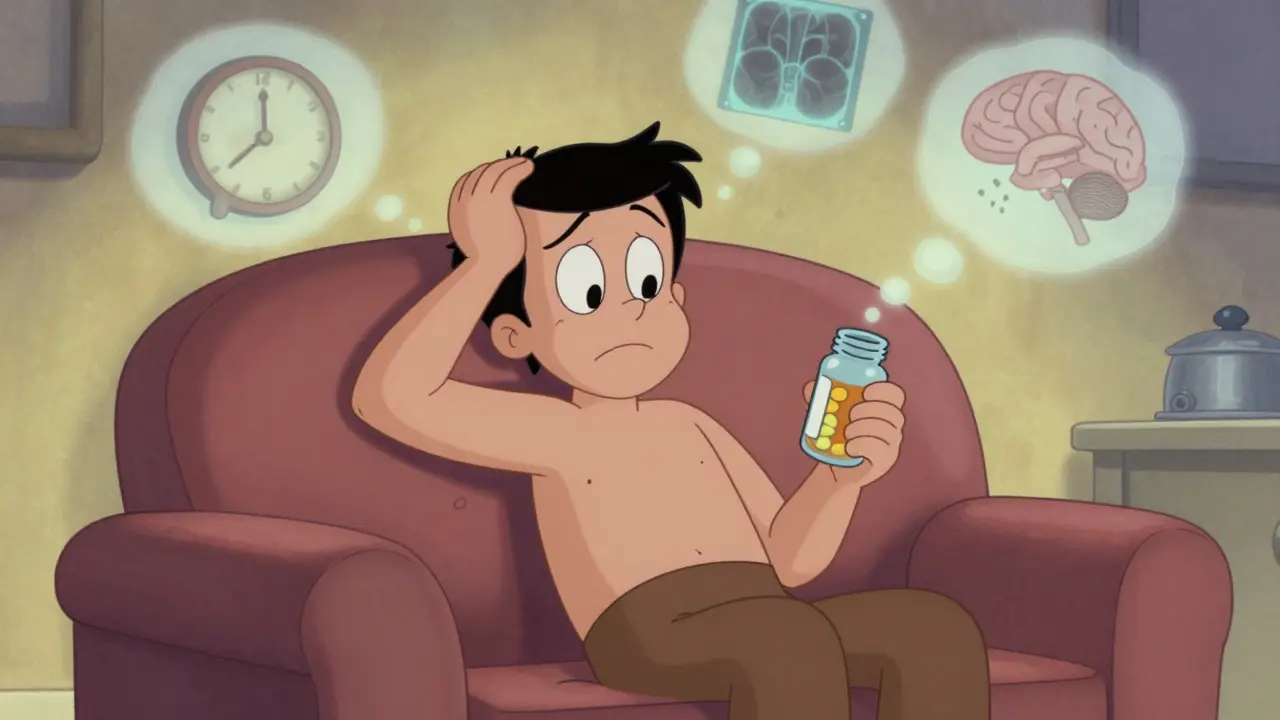
When someone survives a medication overdose, people often say they’re lucky to be alive. But being alive doesn’t mean they’re okay. Behind that phrase is a hidden reality: medication overdose doesn’t end when the ambulance leaves. For many, it’s just the beginning of a lifelong struggle with damaged organs, broken minds, and invisible scars no one sees.
Brain Damage Isn’t Always Obvious
The brain needs oxygen to function. Just four minutes without it can start killing brain cells. During an overdose-especially with opioids, benzodiazepines, or even too much paracetamol-breathing slows or stops. The brain starves. What follows isn’t always a coma or seizures. Sometimes, it’s just… fog. Survivors report forgetting conversations five minutes after they happen. They can’t find the right words. Simple decisions take forever. One man on a recovery forum said, “I used to fix cars. Now I can’t figure out how to turn on the stove.” That’s not depression. That’s brain injury. Studies show 63% of overdose survivors have lasting memory problems. 57% struggle with focus. 38% lose fine motor control. These aren’t temporary side effects. They’re permanent changes. The American Association of Neurological Surgeons confirms that after 10 minutes without oxygen, the chance of permanent brain damage jumps threefold. And many people don’t even realize they’re damaged until months later-when they can’t hold a job, drive safely, or remember their child’s birthday.Organ Systems Break Down Over Time
It’s not just the brain. Every organ takes a hit. Opioid overdoses cause respiratory failure. That means low oxygen floods the body. The kidneys, which filter toxins, start failing in 22% of cases. The heart, already stressed from the overdose, develops arrhythmias or high blood pressure in 18%. Lungs fill with fluid. Pneumonia sets in from vomiting while unconscious. Stroke risk spikes. Paracetamol (acetaminophen) overdose is sneakier. You feel fine for two days. Then your liver starts dying. By the time you feel sick, it’s too late. 45% of those who don’t get treatment within eight hours develop chronic liver disease-cirrhosis, scarring, even liver failure. No symptoms. No warning. Just slow, silent destruction. Stimulant overdoses-like taking too much Adderall or Ritalin-damage the heart permanently. One in three survivors ends up with chronic high blood pressure or irregular heartbeat. Their hearts never fully recover.Psychological Trauma Is Part of the Injury
Surviving an overdose isn’t just a physical event. It’s a psychological earthquake. Dr. Sarah Wakeman from Massachusetts General Hospital found that 73% of survivors develop a new mental health diagnosis after an overdose. Nearly half get PTSD. Almost 4 in 10 develop major depression. One in three battle constant anxiety. These aren’t just reactions to trauma-they’re chemical changes in the brain caused by the overdose itself. The National Institute on Drug Abuse says 78% of survivors have lasting changes in their neurotransmitter systems. That means the brain’s natural reward, mood, and stress systems are rewired. It’s not “being sad.” It’s biology. And it’s not always treatable. Worse, only 28% of survivors get mental health care within 30 days. Most are discharged from the ER with a pamphlet and a “be careful.” No therapy. No follow-up. No monitoring. The system treats the overdose like a one-time mistake-not the start of a chronic condition.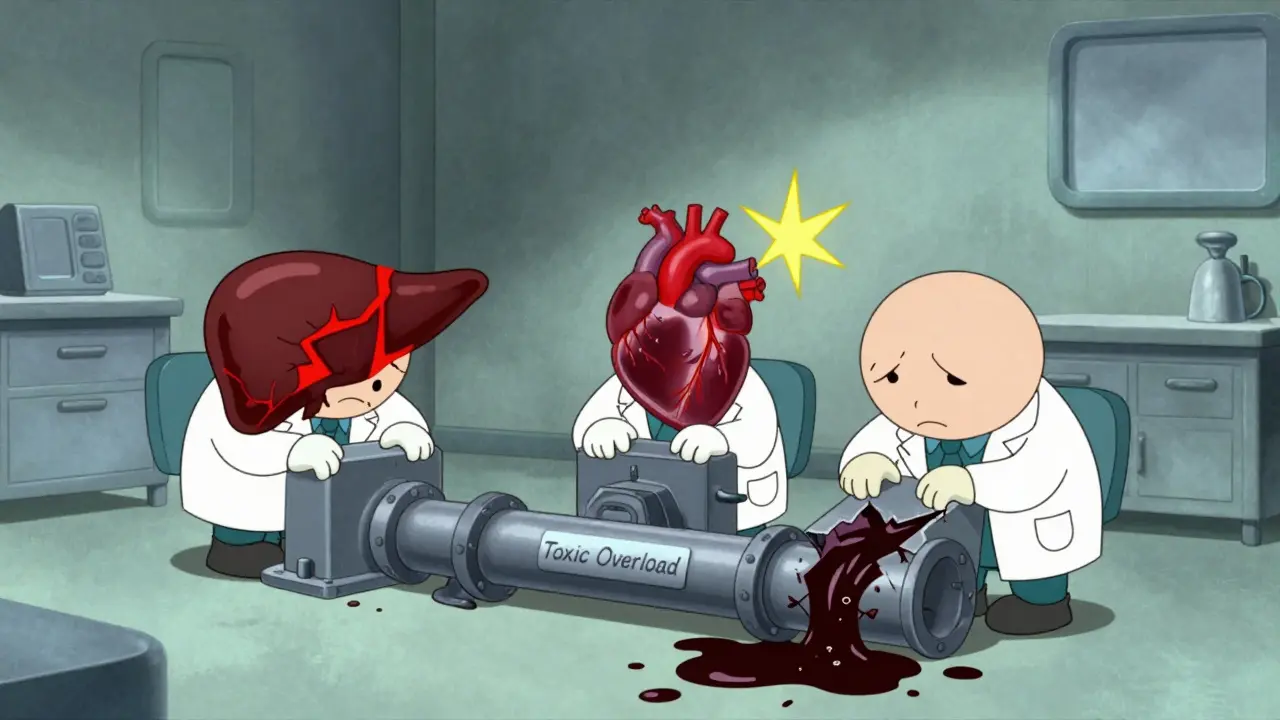
Delayed Treatment = Permanent Damage
Time is everything. And most people don’t know what to look for. For opioids, naloxone can reverse the overdose-if given fast. But the average time to naloxone in rural areas is over 22 minutes. By then, the brain has been without oxygen too long. The CDC found that 32% of people don’t get help until it’s too late because symptoms don’t show up right away. Paracetamol is even worse. People think, “I feel fine,” so they wait. But the liver damage starts within hours. By 48 hours, it’s often irreversible. Only 38% of the public can identify the three signs of opioid overdose: unresponsiveness, pinpoint pupils, and slow breathing. That’s not ignorance-it’s a public health failure. And hospitals? Only 47% of emergency departments track what long-term care survivors need. No one checks for memory loss. No one schedules brain scans. No one connects them to neurologists or rehab programs. In 41% of cases, patients are sent home with zero plan for what comes next.The Hidden Cost of Survival
Surviving an overdose doesn’t mean you’re back to normal. It means you’re living with a new, expensive, lifelong diagnosis. The average lifetime cost for someone with permanent brain damage from an overdose? Over $1.2 million. That’s therapy, home care, lost wages, medication, specialized equipment. For someone who recovers fully? Around $285,000. Only 19% of U.S. hospitals have formal programs to manage these long-term effects. Only 31% of counties offer specialized neurological rehab for survivors. In rural areas? Almost none. The Biden administration just committed $156 million to study brain injury from overdoses. That’s a start. But the Congressional Budget Office predicts that by 2030, only 22% of survivors will get the care they need. That means millions will be left to cope alone-with memory loss, chronic pain, depression, and organs that never healed.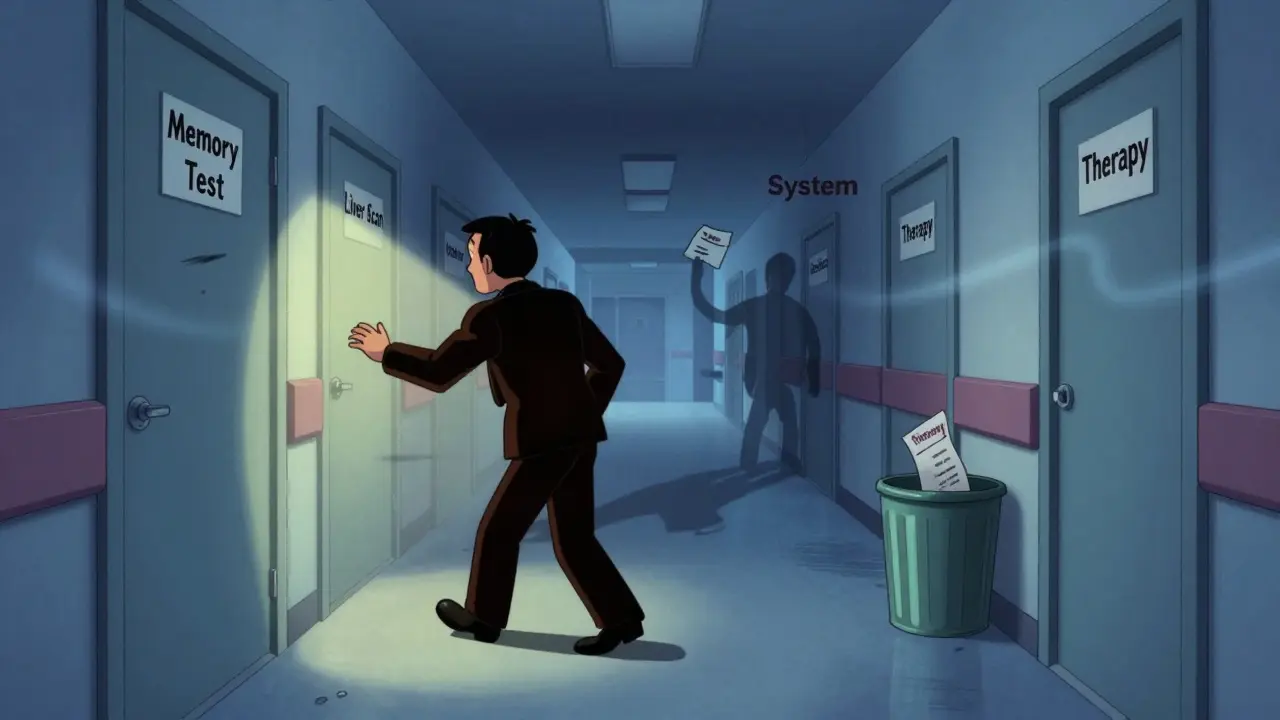
What Can Be Done?
If you or someone you know has survived an overdose, here’s what matters now:- Get a neurological assessment within 72 hours. Ask for memory and balance tests.
- Get liver function tests if paracetamol was involved-even if you feel fine.
- See a mental health professional. Don’t wait for “feeling bad.” Trauma is real, even if you don’t cry.
- Ask your doctor: “What long-term monitoring do I need?” Write it down. Don’t trust memory.
- Carry naloxone if you or someone close uses opioids. Know how to use it. Practice with a trainer.
Jay Ara
December 26, 2025 AT 13:19been there done that. forgot my own birthday last year. not depression. brain just ain't the same. no one talks about this enough
Michael Bond
December 28, 2025 AT 11:01real talk. survival isn't victory. it's the start of a new kind of fight.
Kuldipsinh Rathod
December 28, 2025 AT 14:46i knew a guy who overdosed on oxys. he’s 3 years clean now but still can’t remember his kid’s school name. no one checks on him. just says he’s fine. he’s not.
Ellie Stretshberry
December 28, 2025 AT 17:48i read this and cried. not because i overdosed but because i know people who did. and they just get handed a pamphlet and told to be good. its so broken
Zina Constantin
December 29, 2025 AT 20:07we need to stop treating overdose survivors like they made a bad choice and start treating them like they survived a medical emergency. period. this is brain injury. this is organ failure. this is trauma. no more stigma. no more silence.
Dan Alatepe
December 31, 2025 AT 03:54bro. imagine waking up one day and your brain is a corrupted file. you know the data’s there… but the app won’t open. no one believes you. you just… stare at the stove. for 20 minutes. trying to remember how to turn it on. 😔
Angela Spagnolo
January 1, 2026 AT 09:35...i think... this is so important... and no one talks about it... like, at all... why is the system so broken... i just... don't understand...
Sarah Holmes
January 2, 2026 AT 10:17How dare you imply that these individuals are "victims"? Many of them chose reckless behavior. This is not a medical crisis-it is the predictable consequence of poor life choices. Why should society bear the cost of their negligence?
SHAKTI BHARDWAJ
January 4, 2026 AT 05:34lol so now we're giving out gold stars for almost dying? maybe if people didn't do drugs in the first place they wouldn't need brain scans. this is just enabling. fix the person not the system.
Matthew Ingersoll
January 4, 2026 AT 15:10My cousin survived a fentanyl OD. They didn’t get a single follow-up. No neurologist. No liver panel. Just a nurse saying "you’re lucky" and a $200 bill. That’s the American dream.
josue robert figueroa salazar
January 6, 2026 AT 07:59they dont care. they just want you dead or clean. anything in between? irrelevant.
david jackson
January 6, 2026 AT 15:44Let me tell you something. I used to be a paramedic in Ohio. We’d show up to these overdoses, give the naloxone, wait for the person to gasp back to life, and then… we’d hand them a pamphlet and say "you’re okay now." But I saw it. I saw the way their eyes didn’t focus right. The way they’d forget their own name five minutes later. The way their hands shook like they were holding a live wire. And then they’d go home. And we’d never see them again. Until six months later, when they come back in with liver failure or a stroke or just… sitting on the curb, staring at nothing, asking why they can’t remember how to tie their shoes. And we’d do it all over again. And no one ever asked: Who’s taking care of the ones who lived? No one. Not the hospital. Not the state. Not even their own families. We treat overdose like a punchline. But it’s not. It’s a slow-motion car crash. And the survivors? They’re the ones still screaming inside the wreckage.
Jody Kennedy
January 6, 2026 AT 20:47if you or someone you know survived an overdose-go get tested. today. don’t wait. your brain is worth more than a pamphlet.
christian ebongue
January 7, 2026 AT 13:32so… we spent $156 million to study what we already know? cool. now when do we fund the actual care? 🤔