
Imagine paying full price for a life-saving medication, only to find out later that the pills were actually filled with chalk, flour, or worse, toxic chemicals. This isn't a plot from a thriller; it's a global reality. While governments and tech giants build massive walls of security, the final and most important line of defense is you. Patient vigilance is the practice of consumers actively inspecting and verifying their medications to identify substandard or falsified products before ingestion. In a world where the counterfeit healthcare market is worth an estimated $432 billion annually, your eyes and common sense are often the only things standing between a cure and a catastrophe.
The Hidden Scale of the Problem
We often think of fake meds as something that only happens in distant corners of the world, but the threat is closer than you think. In developed nations, counterfeit drugs make up about 1% of sales. However, in some developing regions, that number jumps to a terrifying 10-30%. According to 2023 data from the World Health Organization (WHO), the risk is highest in Sub-Saharan Africa and Southeast Asia, but the rise of unregulated online pharmacies means anyone with an internet connection can be a target.
The real danger isn't just that the drug doesn't work-it's that it can be actively harmful. Some counterfeits contain the wrong active ingredient, while others have no active ingredient at all. In the worst cases, they contain contaminants that can cause organ failure or death. Because 89% of these exposures originate from unauthorized online sources, the way you buy your medicine is your first and best defense.
How to Spot a Fake: The Visual Inspection Checklist
You don't need a chemistry degree to spot a red flag. The World Health Professions Alliance (WHPA) created the 'BE AWARE' tool to help patients perform a quick but effective audit of their medicine. If you follow these steps, you can identify roughly 70-80% of counterfeits just by looking at them.
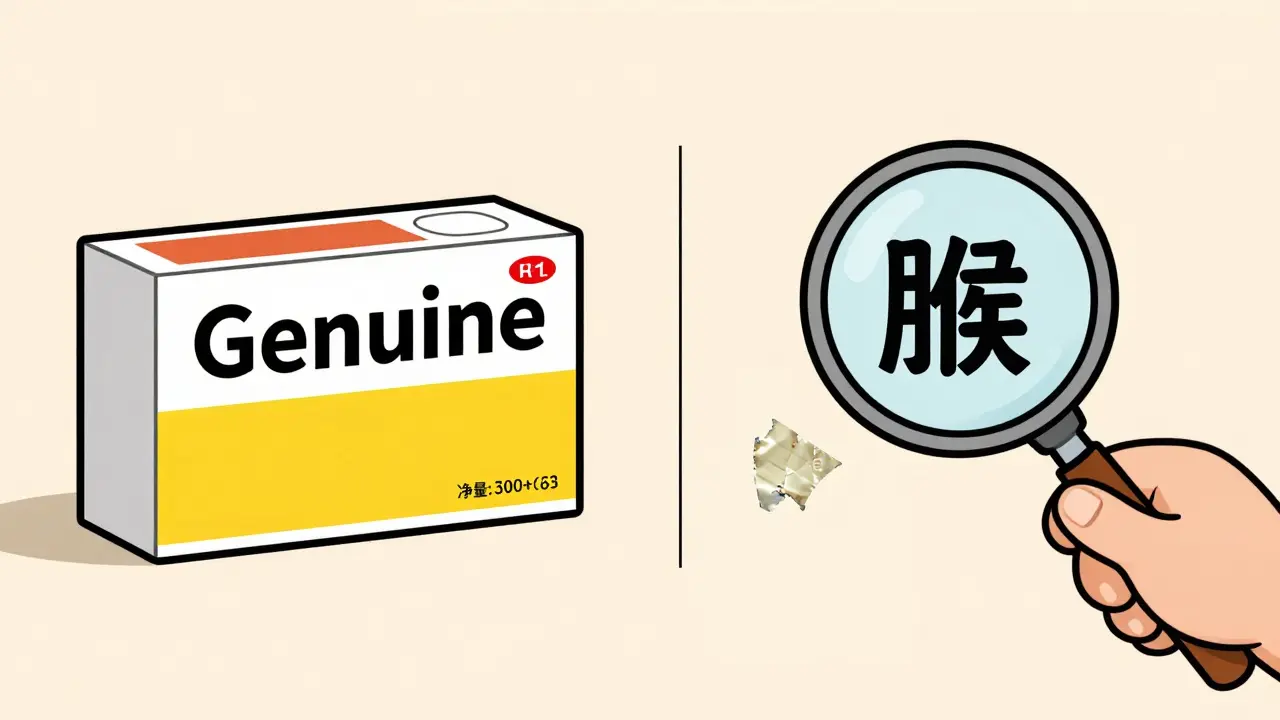
- Check the Seal: Legitimate medicines must have secure, tamper-proof seals. If the plastic wrap is loose, the foil is peeling, or the cap doesn't "click" when opened, don't take it.
- Scrutinize the Packaging: Look for spelling errors, faded colors, or blurry printing. Counterfeiters often rush the packaging process, leading to typos in the drug name or manufacturer's address.
- Inspect the Pill: Compare the tablet or capsule to your previous batch. Is the color slightly off? Is the imprint blurry? Are there chips or cracks in the tablet? These are major warning signs.
- Verify the Date: Check the expiration date carefully. If it's missing, smeared, or seems suspiciously far in the future, be wary.
Tech at Your Fingertips: Serialization and QR Codes
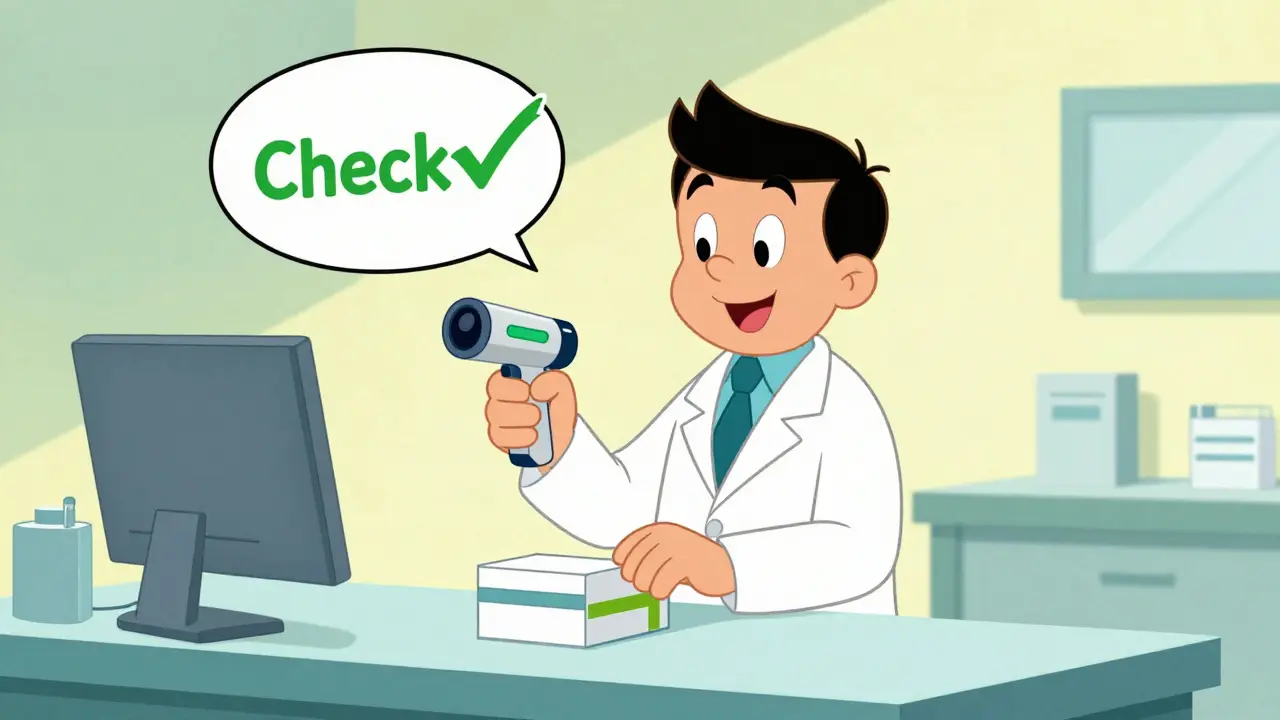
While visual checks are great, technology is making things harder for criminals. Since 2019, the EU Falsified Medicines Directive has made serialization mandatory. This means every single box of prescription medicine has a unique identifier. Think of it like a digital fingerprint that pharmacists scan to ensure the product is genuine.
We're seeing even more innovation now. In France, Servier has trialed QR codes that replace traditional paper leaflets. Instead of folding a giant piece of paper, you scan the box to get the latest safety information and verification. Similarly, some pilot projects in India are using blockchain to track a drug's entire journey from the factory to your local pharmacy, ensuring the chain of custody was never broken.
| Method | Detection Rate | Who Does It? | Key Limitation |
|---|---|---|---|
| Visual Inspection | 70-80% | Patient | Can't detect chemical purity |
| Serialization | 99.8% (closed chain) | Pharmacist/System | Ineffective in poor regulatory zones |
| Blockchain Tracking | Very High | Manufacturer/Patient | Requires smartphone & app adoption |
The Danger of "Too Good to Be True"
Let's be honest: medication is expensive. The temptation to save 50% by ordering from an unverified website is high. But this is exactly where the trap is set. The FDA reports that 78% of victims of counterfeit drugs ignored the red flag of "too-good-to-be-true" pricing. If a site offers a high-demand drug at a fraction of the pharmacy price without a prescription, it is almost certainly a fake.
To stay safe, only use pharmacies that display the .pharmacy verified seal. This isn't just a random label; it's a strict accreditation that proves the pharmacy is legitimate and regulated. If you're in the US, the National Association of Boards of Pharmacy (NABP) "Buy-Safely" program is the gold standard for verification.
The Ethical Dilemma of Patient Responsibility
There is a heated debate among experts about whether we are asking too much of the patient. Some, like Dr. Paul Newton from Oxford University, argue that placing the burden of detection on patients in poor regions is an "ethical outsourcing" of government failure. When a country's regulatory system is broken, a patient can't simply "be more vigilant" if the only medicine available in their village is a fake.
However, the reality is that no system is perfect. Even with the best laws, some fakes leak into legitimate supply chains. Consumer observation remains the final checkpoint. As Taira Bell from Johnson & Johnson points out, the human element is the last line of defense before a pill is swallowed. Whether you live in Edinburgh or Nairobi, the habit of double-checking your meds can literally save your life.
Your Action Plan for Medicine Safety
Developing a habit of vigilance doesn't take much time-research shows it only takes 3 to 5 purchases to internalize these habits. Here is how to handle your next trip to the pharmacy:
- Stick to Trusted Sources: Never buy prescription meds from social media, random emails, or websites that don't require a prescription.
- Ask Your Pharmacist: If you're unsure about a product, ask the pharmacist to show you the serialization verification on their system.
- Use Verification Apps: Tools like MedCheck can help you verify the authenticity of your medicine globally.
- Report Anomalies: If you find a fake, don't just throw it away. Report it to your national health authority (like the FDA or MHRA). These reports are vital for shutting down criminal networks.
Can I tell if a drug is fake just by looking at the pill?
While you can't check the chemical purity, you can spot "physical" counterfeits. Look for inconsistent colors, crumbling edges, or different imprints compared to previous legitimate batches of the same medicine. If the pill looks different than usual, do not take it.
What is serialization and how does it help me?
Serialization is the process of giving every single pack of medicine a unique 2D barcode. When a pharmacist scans this code, it verifies the product is genuine and hasn't been diverted or replaced. You can ask your pharmacy to verify the serialization of your medication if you have doubts.
Are online pharmacies always dangerous?
Not all of them, but many are. To stay safe, look for the ".pharmacy" domain or the NABP "Buy-Safely" seal. Avoid any site that offers prescription drugs without requiring a valid prescription from your doctor, as these are high-risk sources for counterfeits.
What should I do if I suspect my medication is counterfeit?
Stop taking the medication immediately and contact your healthcare provider. Keep the packaging and the remaining pills, as these are needed for evidence. Report the incident to your national health agency (such as the FDA in the US or the MHRA in the UK) to help prevent others from being harmed.
Why do counterfeiters target specific regions more than others?
Criminals target areas with weak regulatory oversight and lower health literacy. In some developing nations, the lack of functional verification systems allows fakes to make up 20-30% of the market, compared to less than 1% in countries with strict enforcement.