
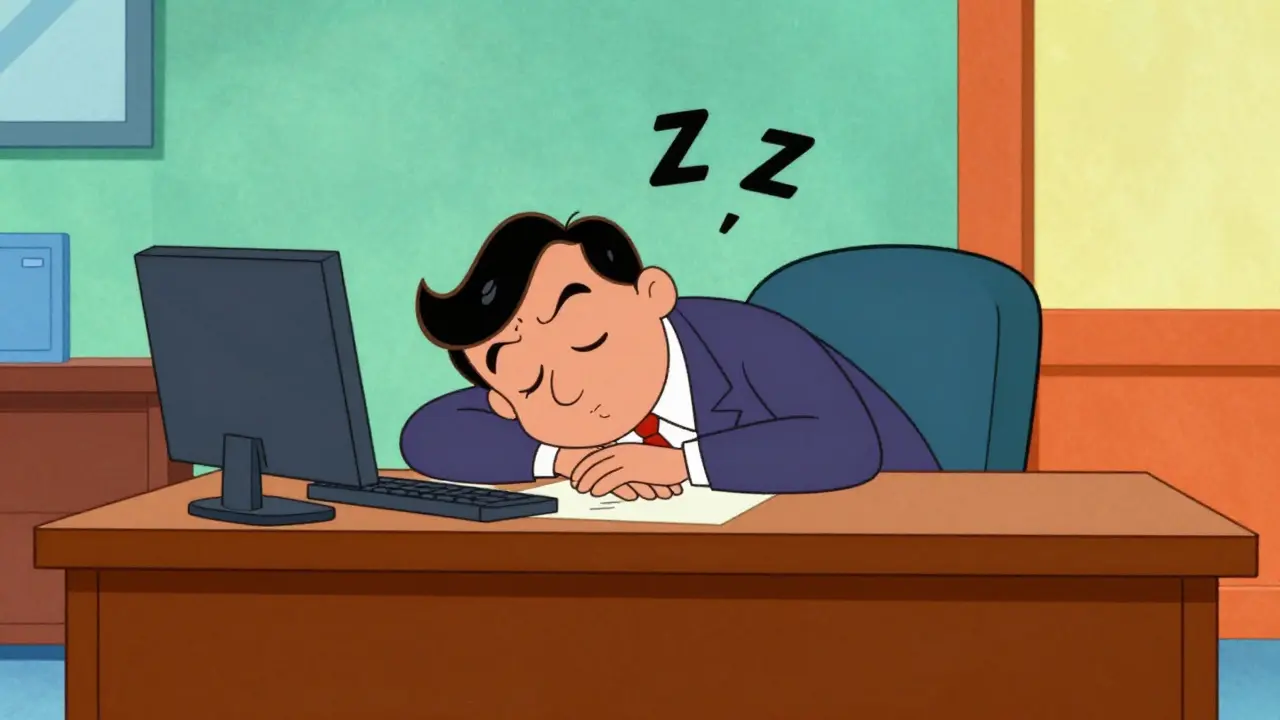
Key Takeaways
- Narcolepsy is caused by a lack of hypocretin (orexin), which disrupts the sleep-wake cycle.
- Excessive Daytime Sleepiness (EDS) is the primary symptom, often managed with first-line stimulants like Modafinil.
- Treatment varies between Narcolepsy Type 1 (with cataplexy) and Type 2 (without).
- Modern medications offer a balance between wakefulness promotion and cardiovascular safety.
- Management often requires a lifelong combination of medication and behavioral changes.
What Exactly is Narcolepsy?
At its core, Narcolepsy is a chronic neurological disorder where the brain cannot properly regulate the transitions between wakefulness and sleep. It isn't about laziness or insomnia; it's a failure of the "wake-promoting" system in the hypothalamus. In most cases, specifically Narcolepsy Type 1 (NT1), the body's immune system mistakenly attacks the cells that produce hypocretin (also called orexin), a neurotransmitter that acts like a chemical switch to keep you awake. Without enough hypocretin, your brain can't stay in a stable state of wakefulness, and REM sleep-the stage where vivid dreams happen-leaks into your waking hours.
There is also Narcolepsy Type 2 (NT2). People with this version experience the same crushing sleepiness but generally don't have the sudden muscle collapse known as cataplexy, and their hypocretin levels may appear normal. Because it's less "obvious" than Type 1, Type 2 often takes longer to diagnose, leaving patients feeling dismissed by doctors or peers for years.
The Five Faces of Narcolepsy Symptoms
While sleepiness is the headline, narcolepsy is a complex cluster of symptoms. It's rarely just about naps; it's about how the brain mismanages sleep boundaries.
- Excessive Daytime Sleepiness (EDS): This is the universal symptom. It manifests as an irresistible urge to sleep that hits 4-6 times a day. These "sleep attacks" usually last 15-30 minutes. Interestingly, a short nap often provides a temporary burst of clarity before the fog rolls back in.
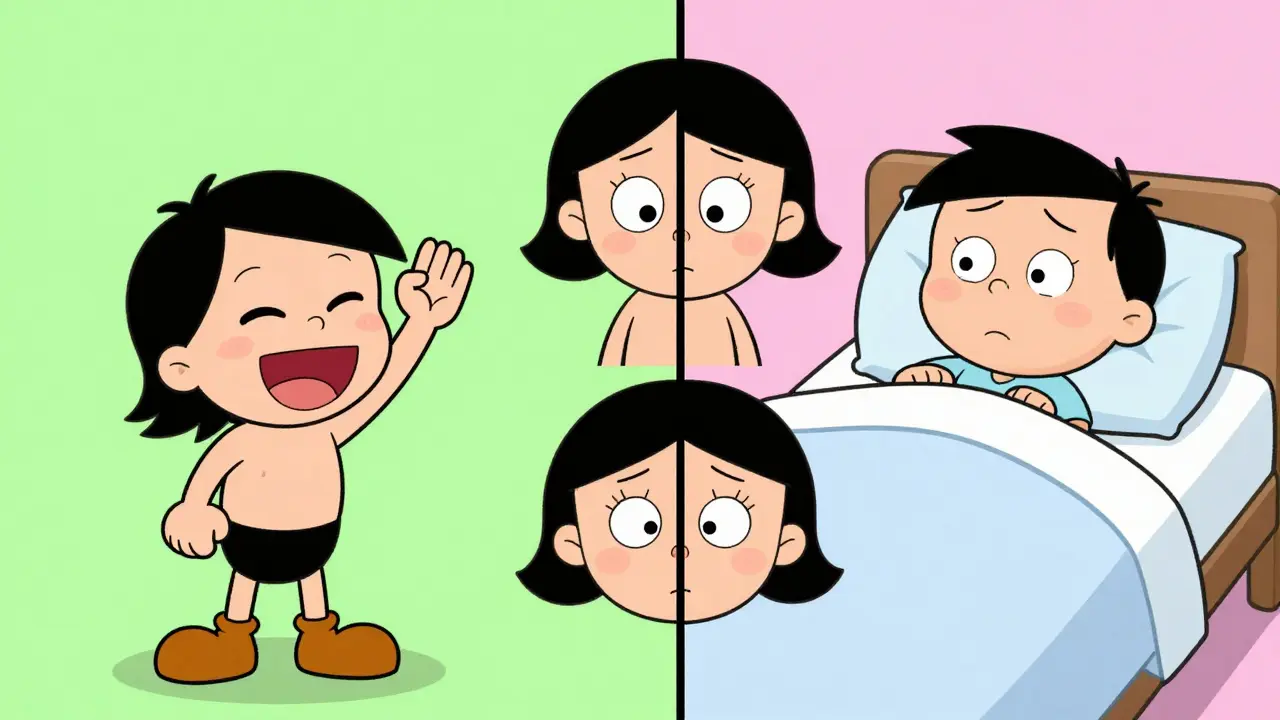
- Cataplexy: Only found in Type 1, this is a sudden loss of muscle tone triggered by strong emotions. A huge laugh or a sudden surge of anger can cause a person's knees to buckle or their jaw to sag. It lasts from 30 seconds to 2 minutes, and the person remains fully conscious.
- Sleep Paralysis: That terrifying feeling of being frozen as you wake up or fall asleep. It typically lasts a few minutes and can feel like a heavy weight is pressing down on the chest.
- Hypnagogic and Hypnopompic Hallucinations: These are vivid, often scary sensory experiences that happen right at the edge of sleep. Because REM sleep is intruding on wakefulness, people "dream" while their eyes are open.
- Fragmented Nighttime Sleep: Paradoxically, people who can't stay awake during the day often can't stay asleep at night. Their sleep is broken into segments, meaning they rarely get a solid, restorative block of rest.
How Doctors Confirm the Diagnosis
You can't diagnose narcolepsy with a simple blood test. It requires a two-step process to see how the brain actually behaves. First, a patient undergoes a nocturnal polysomnography (an overnight sleep study) to rule out other issues like sleep apnea. Following that is the Multiple Sleep Latency Test (MSLT), which is the gold standard for diagnosing narcolepsy. During an MSLT, patients take five scheduled naps throughout the day. If they fall asleep in under 8 minutes on average and enter REM sleep quickly (known as SOREMPs), it's a strong indicator of the disorder.
The Role of Stimulant Treatment in Managing EDS
Since the brain is missing the chemical "glue" that keeps us awake, stimulants act as a proxy. They target the wake-promoting systems to keep the patient functional. However, not all stimulants are created equal. Some are "smooth" and long-acting, while others are more potent but carry a higher risk of a "crash."
| Medication | Primary Action | Typical Dosage | Pros | Cons |
|---|---|---|---|---|
| Modafinil | Dopamine reuptake inhibitor | 200-400 mg/day | Low abuse potential, steady energy | Can be less potent than amphetamines |
| Armodafinil | R-enantiomer of modafinil | 150-250 mg/day | Longer half-life, once-daily dosing | Similar side effects to modafinil |
| Methylphenidate | CNS Stimulant | 10-60 mg/day | Very strong wakefulness promotion | Higher risk of appetite loss and jitters |
| Sunosi | DNRI (Dopamine/Norepinephrine) | 75-150 mg/day | High efficacy for severe EDS | Risk of increased blood pressure |
First-Line Choices: The "Smooth" Stimulants
Modafinil is the most common starting point. It doesn't provide the "rush" associated with traditional stimulants, which is why many patients describe it as "clean energy." It modulates the orexin system and inhibits dopamine reuptake, helping patients stay alert without the extreme jitters. Its successor, Armodafinil, lasts longer in the body, making it a favorite for those who struggle with late-afternoon sleepiness.
High-Potency Options: Traditional CNS Stimulants
When Modafinil isn't enough, doctors may turn to traditional stimulants like Methylphenidate or amphetamines. These are significantly more powerful and are often used for severe cases of EDS. While they are incredibly effective at keeping someone awake, they come with a trade-off: a higher likelihood of side effects like emotional blunting, appetite suppression, and a more pronounced "rebound fatigue" once the medication wears off in the evening.
The New Wave: Non-Traditional Wake Agents
Recent years have seen the arrival of drugs like Pitolisant, which works on the histamine system rather than dopamine. This is a critical alternative for patients who cannot tolerate the cardiovascular stress of stimulants or those who find that traditional stimulants make them too anxious.

Beyond the Pill: A Holistic Approach
Medication is a powerful tool, but it's rarely the only answer. Because stimulants treat the symptom (sleepiness) and not the cause (hypocretin loss), lifestyle adjustments are essential to prevent burnout and medication tolerance. Scheduled short naps (15-20 minutes) are one of the most effective non-drug interventions. Instead of fighting the sleep attack until it's overwhelming, a planned nap can "reset" the brain and extend the effectiveness of the medication. Additionally, adjusting the sleep environment-keeping the bedroom cool and dark-helps manage the fragmented nighttime sleep that often plagues narcolepsy patients.
For those with Narcolepsy Type 1, stimulants don't help with cataplexy. In those cases, Sodium Oxybate is often prescribed. Unlike the stimulants taken during the day, this is taken at night. It improves the quality of nighttime sleep and significantly reduces the frequency of sudden muscle collapse during the day.
Risks and Pitfalls to Watch For
Stimulant treatment isn't without its dangers. The most significant concern is cardiovascular health. Because these drugs increase heart rate and blood pressure, regular monitoring is non-negotiable. A baseline ECG and quarterly blood pressure checks are standard practice to ensure the heart isn't under too much stress.
There is also the issue of "therapeutic inertia." Many patients stay on a dose that was perfect two years ago but is now suboptimal. The brain can adapt to stimulants, leading to a gradual return of sleepiness. It's vital to have open conversations with a sleep specialist about adjusting dosages or rotating medications to maintain a high quality of life.
Can stimulants cure narcolepsy?
No, stimulants do not cure narcolepsy. They manage the symptoms by promoting wakefulness. Since the underlying issue in Type 1 is a loss of hypocretin-producing cells, the treatment is lifelong and focused on symptom control rather than a cure.
What is the difference between Modafinil and Adderall for narcolepsy?
Modafinil is a wake-promoting agent with a lower risk of addiction and fewer "jittery" side effects. Adderall (amphetamine salts) is a potent CNS stimulant that provides more intense wakefulness but carries a higher risk of cardiovascular strain, appetite loss, and dependency.
Why do I still feel tired at night after taking stimulants?
This is known as "rebound fatigue." As the medication wears off, the brain's accumulated sleep pressure hits all at once. Managing this usually involves timing your doses carefully and incorporating planned short naps during the day.
Is it safe to take stimulants if I have high blood pressure?
It can be, but it requires very close medical supervision. Stimulants can raise blood pressure and heart rate. Your doctor may suggest a non-stimulant alternative like Pitolisant or require frequent monitoring of your cardiovascular health.
How long does it take for these medications to start working?
Most stimulants provide noticeable wakefulness within hours of the first dose. However, finding the "perfect" dose and managing side effects usually takes a few weeks of trial and error with your physician.
Next Steps for Patients and Caregivers
If you suspect you have narcolepsy, the first step is to keep a detailed sleep diary for two weeks, noting when the sleep attacks happen and what triggers them. Bring this to a primary care doctor to request a referral to a board-certified sleep specialist.
For those already in treatment, focus on "lifestyle stacking." Combine your medication with a consistent wake-up time and a dedicated 20-minute nap window in the early afternoon. If you feel your medication is losing its edge, don't just increase the dose-schedule a review with your specialist to discuss whether a different class of medication or a dose adjustment is necessary.