
Blood Thinner Bleeding Emergency Checker
Emergency Symptoms Checker
This tool helps you determine if your bleeding requires immediate emergency care. Based on guidelines from the article "Blood Thinner Bleeding: When to Seek Emergency Care".
Uncontrolled External Bleeding
*Note: Pressure must be firm and constant - not checking every few minutes
Severe Internal Bleeding Signs
Other Critical Symptoms
Important Safety Guidelines
Emergency Response
Call 911 or your local emergency number immediately if you experience:
- Any of the symptoms marked above
- Difficulty breathing, chest pain, or severe dizziness
- Confusion or loss of consciousness
Do not wait for symptoms to worsen. Internal bleeding can progress rapidly.
Minor Bleeding Guidance
If you have minor bleeding (small cuts, occasional nosebleeds, minor bruising):
- Apply firm pressure for 10-15 minutes
- Do not stop your blood thinner without consulting your doctor
- Keep a first aid kit with gauze and bandages at home
Taking a blood thinner can feel like walking a tightrope. On one side, it protects you from strokes, heart attacks, and deadly clots. On the other, it makes even a small cut or bruise feel dangerous. If you're on a blood thinner-whether it's warfarin, Eliquis, Xarelto, or another-your biggest fear is probably bleeding. But not all bleeding is an emergency. Knowing the difference between what you can handle at home and what needs immediate medical attention can save your life.
What Blood Thinners Do (and Why They're Necessary)
Blood thinners, or anticoagulants, don't actually make your blood thinner. They slow down the clotting process so dangerous clots don't form in your veins or arteries. These medications are life-saving for people with atrial fibrillation, deep vein thrombosis, or after a pulmonary embolism. Studies show they cut stroke risk by 60-70% in people with irregular heart rhythms. Without them, many would face sudden, catastrophic events.
Common blood thinners include warfarin (Coumadin), apixaban (Eliquis), dabigatran (Pradaxa), rivaroxaban (Xarelto), and heparin. Each works differently, but they all increase bleeding risk. About 3% of people on these drugs have a major bleeding event each year. That sounds scary, but the real danger isn't the medication-it's not knowing when to act.
When Bleeding Is an Emergency
If you're bleeding and it doesn't stop, you need to go to the ER. Not tomorrow. Not after you call your doctor. Right now. Here are the signs that mean you're in danger:
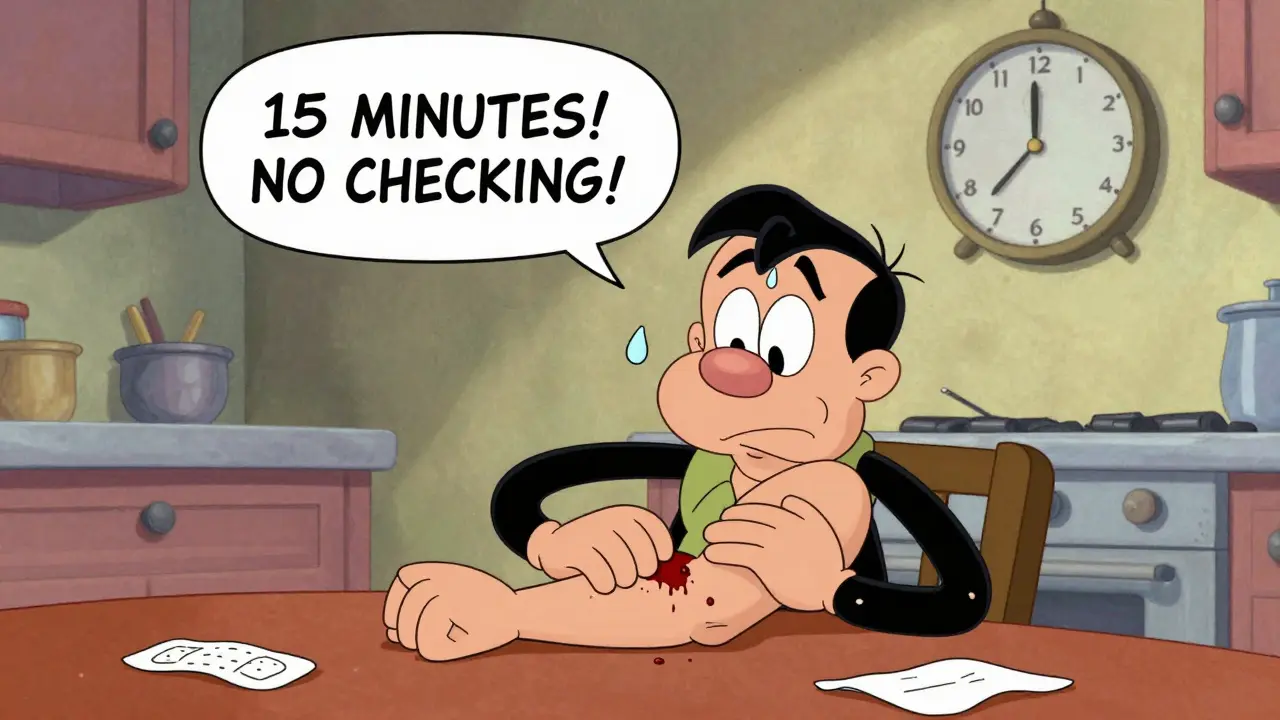
- Uncontrolled external bleeding: If you're bleeding from a cut, nose, or other area and continuous pressure for 15 minutes doesn't stop it, get help. Many people don't press hard enough. It should hurt a little. If you're checking every 30 seconds, you're not doing it right.
- Vomiting blood or coughing up blood: This isn't just a bad cough. It could mean bleeding in your stomach or lungs. Even a small amount of bright red or coffee-ground-looking material is a red flag.
- Blood in your urine: Pink, red, or brown urine isn't normal. It could mean bleeding in your kidneys or bladder.
- Black, tarry stools: This is a classic sign of internal bleeding in your stomach or intestines. It looks like tar and smells foul. Don't wait for it to get worse.
- Prolonged nosebleeds: If your nose is still bleeding after 30 minutes of pinching the soft part, go to the ER. Some people get frequent nosebleeds on blood thinners, but if it lasts longer than half an hour, it's not just a nuisance.
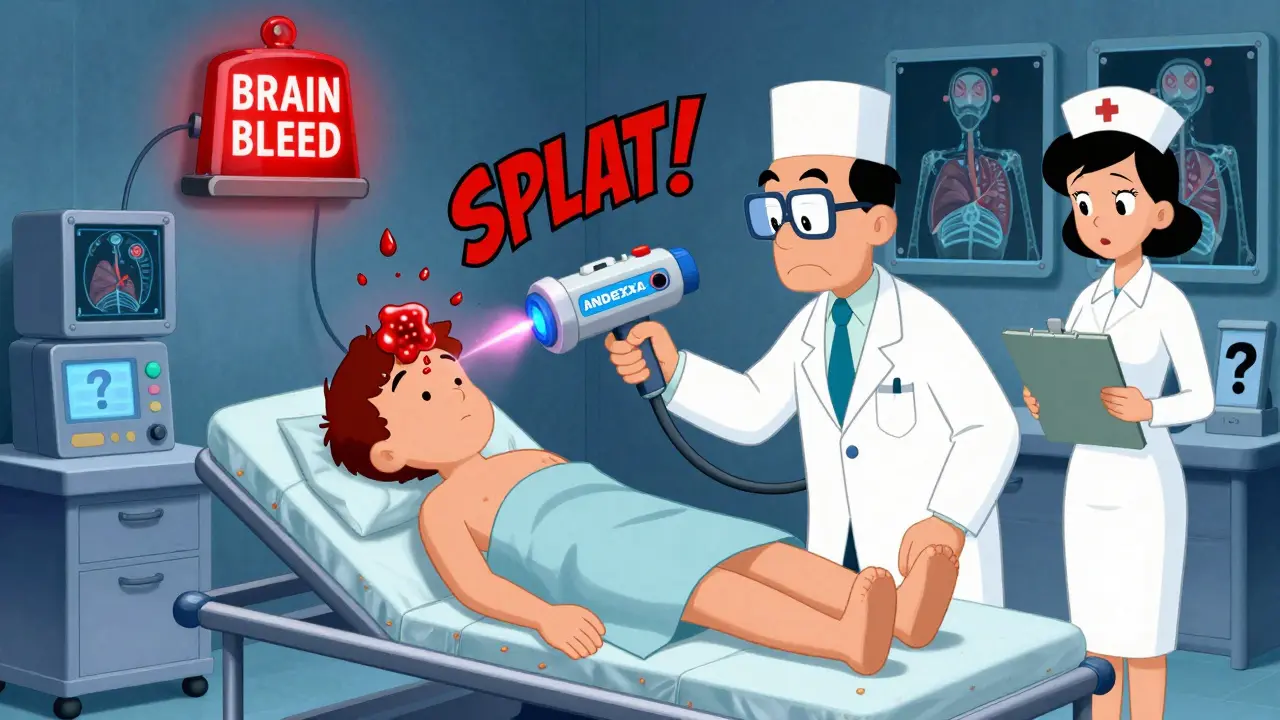
- Sudden, severe headache, dizziness, or confusion: These could mean bleeding in your brain. Even if you didn't hit your head hard, a fall, bump, or slip can cause internal bleeding that doesn't show symptoms right away. It can take 24 to 72 hours to become obvious.
- Severe back or abdominal pain: This could signal bleeding behind the abdomen or around the spine. It's rare, but deadly if missed.
- Difficulty breathing, chest pain, or extreme fatigue: These mean your body is losing too much blood. You might feel lightheaded or weak. Your heart is struggling to pump what's left.
Internal bleeding can sneak up on you. You might not even realize you're losing blood until you're collapsing. That's why these symptoms can't be ignored.
What Counts as Minor Bleeding (And How to Handle It)
Not every bleed is an emergency. In fact, over half of all ER visits by people on blood thinners are for things that could have been managed at home. Nosebleeds, small cuts, bleeding gums, and bruising are common-but they don't always mean danger.
Here’s how to handle minor bleeding safely:
- Cuts and scrapes: Apply firm pressure with a clean cloth or bandage for at least 10 minutes. Don’t lift it to check. Keep pressure on. Elevate the area if it's on an arm or leg. Clean it with water after it stops, not hydrogen peroxide-it can delay healing.
- Nosebleeds: Sit upright, lean slightly forward, and pinch the soft part of your nose (just below the bridge) for 10-15 minutes. Breathe through your mouth. Spit out any blood that drips. Don’t lie down or tilt your head back.
- Bleeding gums: Use a soft toothbrush. Rinse with salt water. Avoid flossing too hard. If it happens often, talk to your dentist-they may adjust your routine.
- Bruising: Large, painful bruises are common. Apply ice for 15 minutes every few hours. If a bruise grows quickly, feels hard, or you can't move a joint, get checked.
Most minor bleeding stops within 5-7 minutes with proper pressure. In someone not on blood thinners, it stops in 2-3 minutes. So yes, it takes longer. But if it stops with pressure and you feel okay afterward, you're probably fine.
Why Stopping Your Medication Is Dangerous
Here’s the scary truth: many people stop their blood thinner after a bleed-thinking it’s safer. That’s the worst thing you can do.
A study from the Michigan Anticoagulation Quality Improvement Initiative found that 68% of patients who stopped their medication after minor bleeding had a clot within 30 days. One man stopped his pill after a nosebleed. Two weeks later, he had a pulmonary embolism. He survived, but barely. He told his story online: “Don’t be like me.”
Stopping your blood thinner for even 24-48 hours can spike your risk of stroke or heart attack. Your body starts forming clots again fast. The risk of a clot in the first week after stopping is three times higher than if you kept taking it.
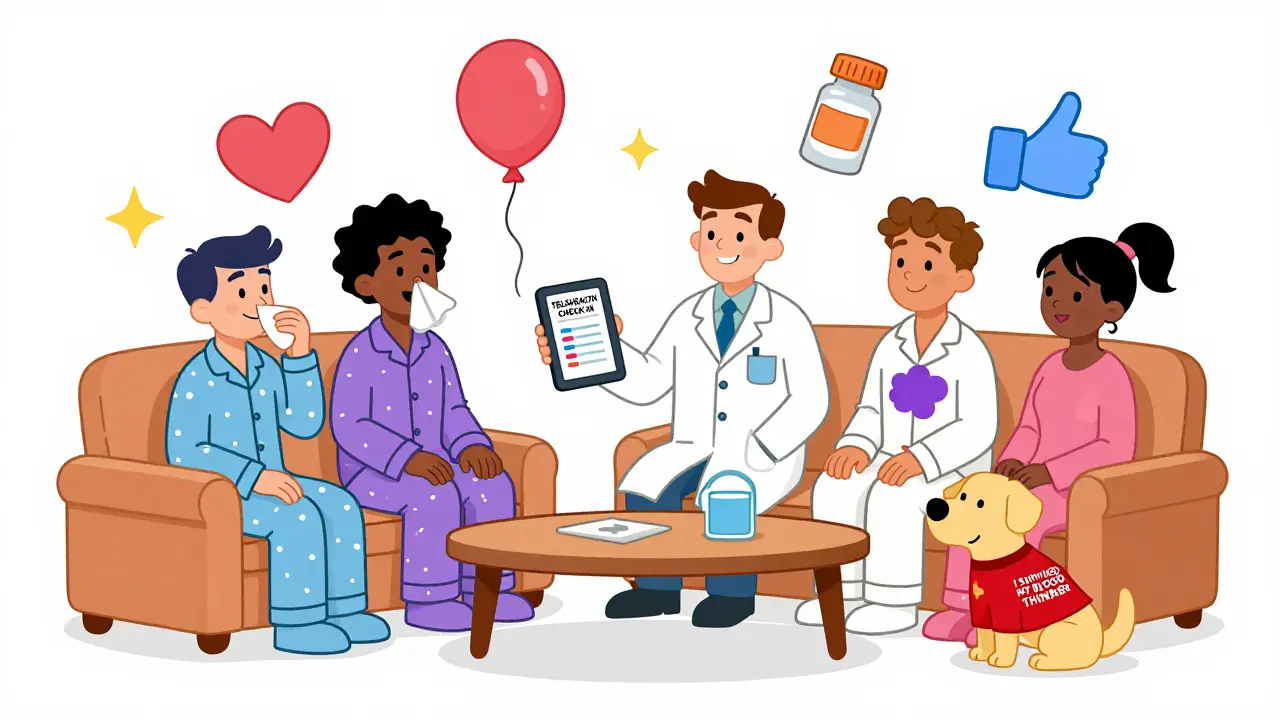
Instead of quitting, call your doctor. Many clinics now offer telehealth visits just for this. A nurse or pharmacist can guide you on how to manage bleeding at home without stopping your medication. Research shows that with proper advice, 73% of emergency visits for nosebleeds and minor bleeding could be avoided.
New Tools Are Changing the Game
Things are getting better. In 2023, a drug called andexanet alfa (Andexxa) became available to reverse bleeding caused by Eliquis and Xarelto. It works in under an hour, compared to the 3-4 hours it used to take. That means faster treatment, better outcomes.
By 2026, we’ll likely have a universal reversal agent called ciraparantag that works for all blood thinners. Emergency rooms will also have portable devices that check your blood’s clotting ability in minutes. This means doctors won’t guess-you’ll get the right treatment fast.
But access isn’t equal. A 2022 study found Black and Hispanic patients waited 23-28% longer for reversal drugs than White patients. That delay increased death rates by 15%. If you're in a hospital and feel like you're being ignored, speak up. Ask: “Do I need a reversal agent?”
What to Do Next
Here’s your action plan:
- Know your medication. Know its name and dose. Keep a list in your wallet or phone.
- Have a plan for minor bleeding. Practice the pressure technique. Keep gauze and bandages at home.
- Know the red flags. If bleeding doesn’t stop in 15 minutes, or if you have symptoms like dizziness, chest pain, or confusion-go to the ER.
- Never stop your medication without talking to your doctor. Even if you’re scared.
- Set up a telehealth check-in with your provider. Ask them: “What should I do if I have a nosebleed? A cut? A bruise?”
People on blood thinners live full, active lives. But they have to be smart. You don’t have to live in fear. You just have to know what to look for-and what to do.
Can I still exercise if I’m on a blood thinner?
Yes, but avoid high-risk activities like contact sports, rock climbing, or skiing. Low-impact exercises like walking, swimming, and cycling are safe. Always wear protective gear, even for biking. If you fall hard, get checked-even if you feel fine.
Do all blood thinners have the same bleeding risk?
No. Apixaban (Eliquis) has the lowest major bleeding risk among common drugs-about 2.13 events per 100 people each year. Warfarin has a higher risk at 3.77. Dabigatran and rivaroxaban fall in between. Your doctor picks the one that balances clot prevention and bleeding risk for your body.
Can I take aspirin or ibuprofen while on a blood thinner?
Generally, no. Aspirin and ibuprofen can increase bleeding risk, especially in the stomach. Tylenol (acetaminophen) is usually safer for pain relief. Always check with your doctor before taking any new medicine-even over-the-counter ones.
What should I do if I fall and hit my head?
Go to the ER immediately-even if you feel fine. Internal bleeding in the brain can take hours or days to show symptoms. A CT scan can catch it early. Waiting could be deadly.
Is it normal to bruise easily on blood thinners?
Yes. Easy bruising is very common. But if you get a large, painful bruise with no injury, or if it’s spreading quickly, get it checked. Also, if you notice new bruising on your abdomen or back, that could signal internal bleeding.
Weston Potgieter
March 6, 2026 AT 18:50Vikas Verma
March 7, 2026 AT 16:03Sean Callahan
March 8, 2026 AT 09:39phyllis bourassa
March 10, 2026 AT 00:48Ferdinand Aton
March 10, 2026 AT 09:31William Minks
March 11, 2026 AT 15:00Jeff Mirisola
March 13, 2026 AT 01:27Ian Kiplagat
March 14, 2026 AT 23:09Amina Aminkhuslen
March 15, 2026 AT 22:14amber carrillo
March 17, 2026 AT 17:04Tim Hnatko
March 18, 2026 AT 05:55Aaron Pace
March 18, 2026 AT 18:30Joey Pearson
March 19, 2026 AT 07:20