

Missing a few doses of a pill might seem like a small mistake, but when you're dealing with chronic conditions, those gaps create a massive problem. In the U.S. alone, medication non-adherence costs the healthcare system about $300 billion every year. While brand-name drugs often come with fancy support programs from the manufacturer, generic medications is a low-cost pharmaceutical alternative that is bioequivalent to brand-name drugs usually don't have that luxury. Since generics make up roughly 90% of all prescriptions, there's a huge gap in how we make sure people actually take them. That's where digital tracking tools come in.
Whether you're a patient struggling to keep track of five different pills or a pharmacist trying to improve patient outcomes, the goal is the same: move from guessing if a patient took their meds to having verifiable data. These tools aren't just fancy alarms; they are systems that track the physical act of taking a pill and send that data to a cloud for analysis.
Quick Wins for Better Adherence
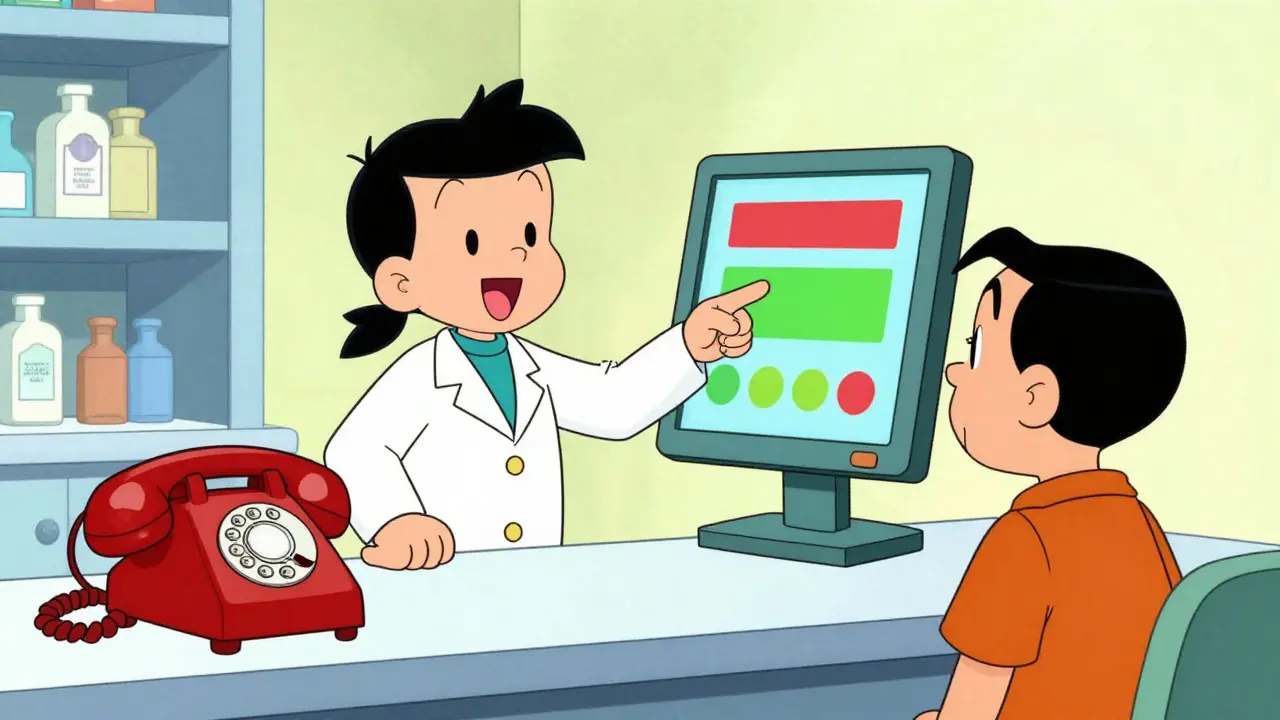
- Use Visual Cues: Systems with LED lights (red for "missed," green for "done") work better than phone notifications.
- Integrate with Care: Tools are most effective when a pharmacist or doctor reviews the data during a visit.
- Match the Tool to the Patient: A high-tech sensor is great for a clinical trial but might be too bulky for an elderly patient at home.
- Focus on High-Risk Patients: People on 5+ medications see a 35% better outcome when using multi-modal tracking.
The Tech Stack: From Smart Boxes to Ingestibles
Not all adherence tools are created equal. Depending on whether you need 100% clinical accuracy or just a helpful nudge, the technology changes completely. Most of these systems require at least Android 8 or iOS 12 to function and typically connect via Wi-Fi or cellular data to sync with Electronic Health Records (EHR) like Epic or Cerner.
MEMS AS is a cloud-based adherence software by AARDEX Group that uses proprietary algorithms to analyze data from digitally enabled packaging. This is often seen as the gold standard for clinical trials because it claims 100% accuracy. However, it's built more for researchers than for a regular person at home, meaning it lacks the "friendly" engagement features you'd find in a consumer app.
On the consumer side, the Tenovi Pillbox is a cellular-connected smart pill organizer that uses LED reminders and cloud syncing to track medication intake. It's particularly useful for people managing hypertension. In a real-world scenario, users found that the color-coded lights improved their adherence by 28% compared to just using a smartphone alert. The downside? It can be pricey, with a device cost around $149 and a monthly subscription fee.
For more extreme cases, like treating tuberculosis, video-based monitoring-often called VDOT-has shown adherence rates as high as 95%. While highly effective, it's a tough sell for many because it requires a lot of effort and feels invasive. Then there are high-tech options like ingestible sensors from Proteus Digital Health or electronic blister packs from Wisepill, though some users find these "bulky" or too complicated to charge daily.
| Technology Type | Example Tool | Primary Strength | Main Drawback | Best Use Case |
|---|---|---|---|---|
| Algorithm-Based Software | MEMS AS | 100% Accuracy | Low User Engagement | Clinical Trials |
| Smart Hardware | Tenovi Pillbox | Visual LED Alerts | Monthly Subscription | Chronic Care (e.g., Hypertension) |
| Video Monitoring | VDOT | High Verification | Privacy Concerns | High-Stakes Treatment (e.g., TB) |
| Pharmacy Dashboard | McKesson APS | Population Benchmarking | Based on Claims, Not Intake | Pharmacy Management |
Real-World Performance and Pitfalls
It sounds great on paper, but the reality of using these tools can be messy. For instance, while a pharmacist might use the McKesson APS is a pharmacy performance dashboard that tracks medication adherence through claims data to boost diabetes adherence from 62% to 78%, they often have to hire a dedicated technician just to handle the data. The tool tells them who isn't picking up their meds, but it doesn't actually prove the patient swallowed the pill.
User feedback often highlights a gap between "clinical success" and "daily convenience." Some patients using electronic pill bottles reported that adoption dropped from 64% to 45% within just two months. Why? Because the devices were too bulky or the charging process was a pain. It's a classic case of the technology getting in the way of the treatment.
There's also the "app fatigue" problem. Experts have found over 2,000 medication adherence apps on the market, but only a handful actually meet basic quality and functionality standards. Many of these apps fail to even explain how they use your data, which is a huge red flag for the 63% of patients who are already worried about their privacy.

How to Implement Tracking in a Pharmacy Workflow
If you're looking to integrate these tools into a practice, you can't just hand a patient a smart box and wish them luck. Success happens when the data is tied to a clinical action. The most effective approach is a 3-to-5 minute adherence assessment during the medication pick-up process.
- Identify High-Risk Patients: Focus on those taking 5 or more medications. These patients benefit most from a "multi-modal" approach (combining a device with a pharmacist's counseling).
- Select the Right Tech: Don't give a complex system like Tenovi to someone who struggles with basic smartphone use. Match the learning curve to the patient's tech-savviness.
- Set Up the Dashboard: For pharmacies, integrating a system like McKesson APS usually takes 2-4 weeks and requires about 8-12 hours of staff training.
- Close the Loop: Use the data to trigger a phone call or a consultation. Data collection without a follow-up is just a digital exercise.
The Financial Side: ROI and Reimbursement
The business case for adherence tracking is becoming stronger. For cardiovascular generics, early evidence suggests a return of $7.20 in healthcare savings for every $1 spent on adherence programs. That's a massive incentive for providers to get this right.
From a regulatory standpoint, the CMS (Centers for Medicare & Medicaid Services) has started including adherence metrics for diabetes and hypertension generics into their Star Ratings. For a Medicare Advantage plan, a single point increase in these scores can lead to $1.2 million in additional revenue per 100,000 members. This is driving a surge in enterprise adoption; 67% of large pharmacy chains now use some form of digital tracking, though small independent pharmacies are still struggling with the initial costs.
However, reimbursement is still a patchwork. Only about 38% of Medicare Advantage plans cover remote therapeutic monitoring for adherence tracking. Until insurance covers these devices more broadly, many patients will still be paying out-of-pocket for the hardware and monthly fees.
What's Next for Generics Management?
We're moving toward a world where AI doesn't just track what you missed, but predicts when you're about to miss a dose. CVS Health has already piloted machine learning programs that improved the identification of at-risk patients by 22% by analyzing patterns in adherence data.
We can also expect more standardization. The FDA's Digital Health Center of Excellence is working on guidance to standardize how these tools are validated, which should make it easier to compare a "smart bottle" from one company to another. Eventually, these tools will likely merge directly into Pharmacy Benefit Management (PBM) systems, making the tracking invisible and automatic.
Are digital adherence tools only for expensive medications?
No, and in fact, they are arguably more important for generic medications. Because generics often treat chronic conditions like hypertension or diabetes and lack the manufacturer-funded support programs that brand-name drugs have, third-party digital tools fill a critical gap in patient care.
What is the difference between claims data and ingestion data?
Claims data (used by dashboards like McKesson APS) tells you if a patient picked up their prescription from the pharmacy. Ingestion data (used by tools like Tenovi or MEMS AS) tells you if the patient actually took the medication. There is often a 15-20% margin of error when relying solely on claims data due to early refills or stockpiling.
Which tool is best for a patient taking 10+ different generics?
For complex polypharmacy, a smart hardware solution like the Tenovi Pillbox is generally better than a simple reminder app. The visual LED cues provide a physical confirmation that a dose was taken, which reduces the cognitive load on the patient compared to managing multiple phone notifications.
How much do these tools typically cost?
Costs vary wildly. Consumer devices like the Tenovi Pillbox cost around $149 upfront with monthly fees near $29.99. Professional pharmacy dashboards can cost between $99 and $299 per month depending on the size of the pharmacy. Some basic reminder apps are free, but often lack the verification features of hardware-based systems.
Do these tools actually improve health outcomes?
Yes. For example, video-based monitoring (VDOT) has achieved adherence rates of 95% in tuberculosis treatment. In asthma and COPD cases, digital monitoring led to a nearly 15% increase in adherence during the COVID-19 pandemic. The key is combining the tool with pharmacist counseling.
Troubleshooting and Next Steps
For Patients: If you find a smart pillbox too invasive or bulky, start with a high-quality reminder app that allows a caregiver to be notified if you miss a dose. If the hardware is too complex, ask your pharmacist about a "blister pack" (pill pack) system, which is a low-tech but effective way to track adherence.
For Pharmacists: If your staff is overwhelmed by the data from an adherence dashboard, don't try to track every patient. Filter your dashboard for "high-risk" flags-patients with 3+ missed doses in a row-and prioritize those for a 5-minute intervention during their next visit.
For Healthcare Admins: Check your Medicare Advantage plan coverage for Remote Therapeutic Monitoring (RTM) codes. If your plan covers these, you can offset the cost of the hardware for your patients, significantly increasing adoption rates.