
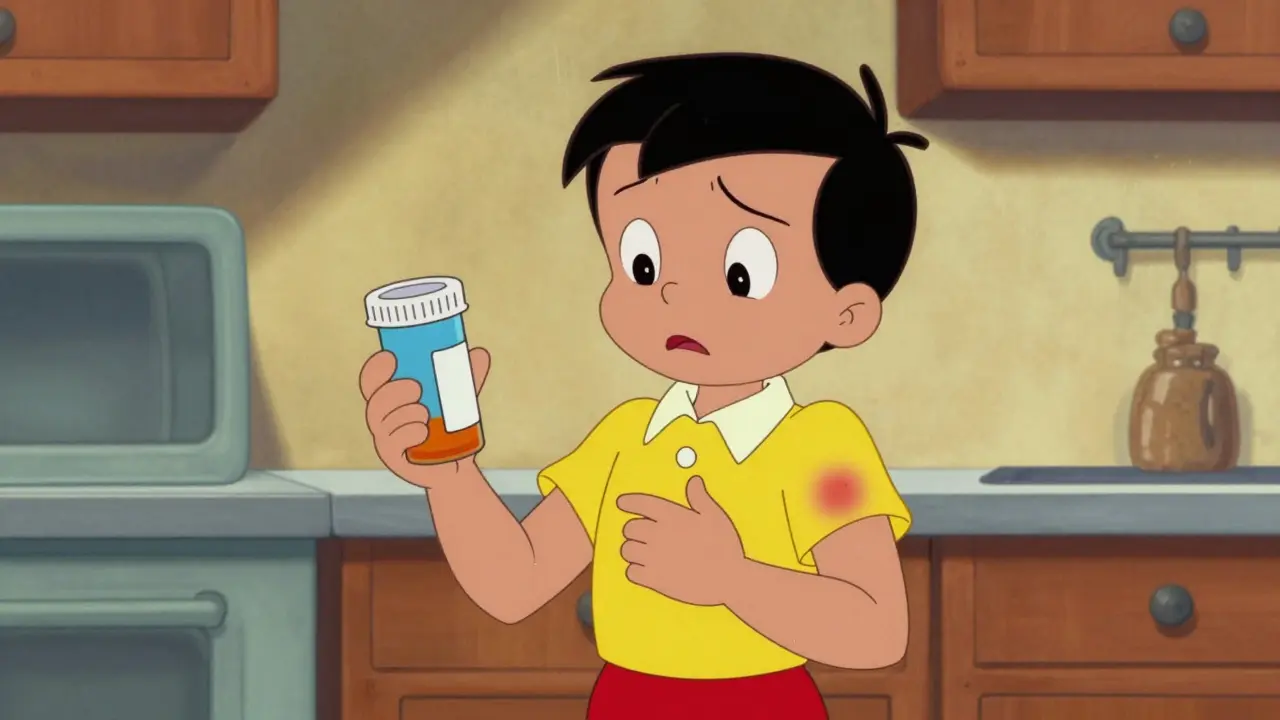
Imagine you take a new medication for your blood pressure and suddenly break out in a severe rash. Or perhaps you notice strange heart palpitations after starting a supplement. Most people keep this to themselves, fearing they might lose access to the drug or worry they’re overreacting. The truth is far more critical: when you do not speak up, the FDA MedWatch system misses vital data. In fact, studies suggest that only about 1% to 10% of actual adverse events ever make it into official records. This gap creates blind spots where dangerous patterns go unseen until someone gets seriously hurt. Understanding how to bridge this gap is not just bureaucratic work; it is a safety issue.
What Is FDA MedWatch?
You might see this name on prescription labels or hear doctors mention it when discussing safety monitoring. Officially known as "The FDA Safety Information and Adverse Event Reporting Program," it is the U.S. Food and Drug Administration's primary channel for receiving voluntary safety information. Unlike other systems, it captures the full spectrum of products ranging from prescription drugs and medical devices to dietary supplements and cosmetics. When a pattern emerges in these reports-say, multiple people reporting liver injury from a specific weight loss pill-the FDA can investigate. Without these raw numbers, regulatory action is often delayed by years.
The system acts as the eyes and ears of the regulatory body once a product hits the pharmacy shelf. During clinical trials, only a limited number of people test the drug for a short time. Real-world usage involves millions of people with different genetic profiles and underlying health conditions. This shift from controlled trials to real-life use is where post-market surveillance begins. The program relies heavily on individual initiative because there is no automated way to detect every single symptom a patient experiences. Consequently, the quality and volume of public reporting directly influence the speed of safety warnings.
Knowing What Qualifies for Reporting
One of the biggest barriers to reporting is uncertainty about what actually belongs in a complaint. Many users hesitate because they aren’t medically certain that the drug caused the problem. Fortunately, the system is designed for suspicion rather than proof. You do not need to prove the link scientifically. You simply need to report a suspected association. For instance, if you started a new antidepressant three days before experiencing severe nausea, you report it even if stress might also play a role.
- Serious Events: These require immediate attention and include death, hospitalization, disability, congenital anomaly, or life-threatening illness.
- Non-Serious Events: These do not meet the criteria above but still warrant reporting if they are unusual or persistent.
- Lack of Labeling: A key trigger is if the event is not listed in the standard prescribing information or package insert.
Consider a scenario where a patient takes a standard pain reliever and develops a skin reaction that is listed on the label. You can still report it, especially if it happens faster or more severely than described. This helps officials refine risk assessments. On the other hand, forgetting to take a dose and feeling anxious the next day is typically not reportable unless a medical professional suspects a withdrawal complication. The guiding principle remains: when in doubt, submit a report. A missing report is safer than an unnecessary one.
Navigating the Three Main Reporting Forms
| Form Number | Intended User | Key Feature |
|---|---|---|
| Form 3500A | Manufacturers & Facilities | Mandatory reporting for industry |
| Form 3500 | Health Care Professionals | Detailed clinical data and terminology |
| Form 3500B | Consumers / Patients | Simplified language for public use |
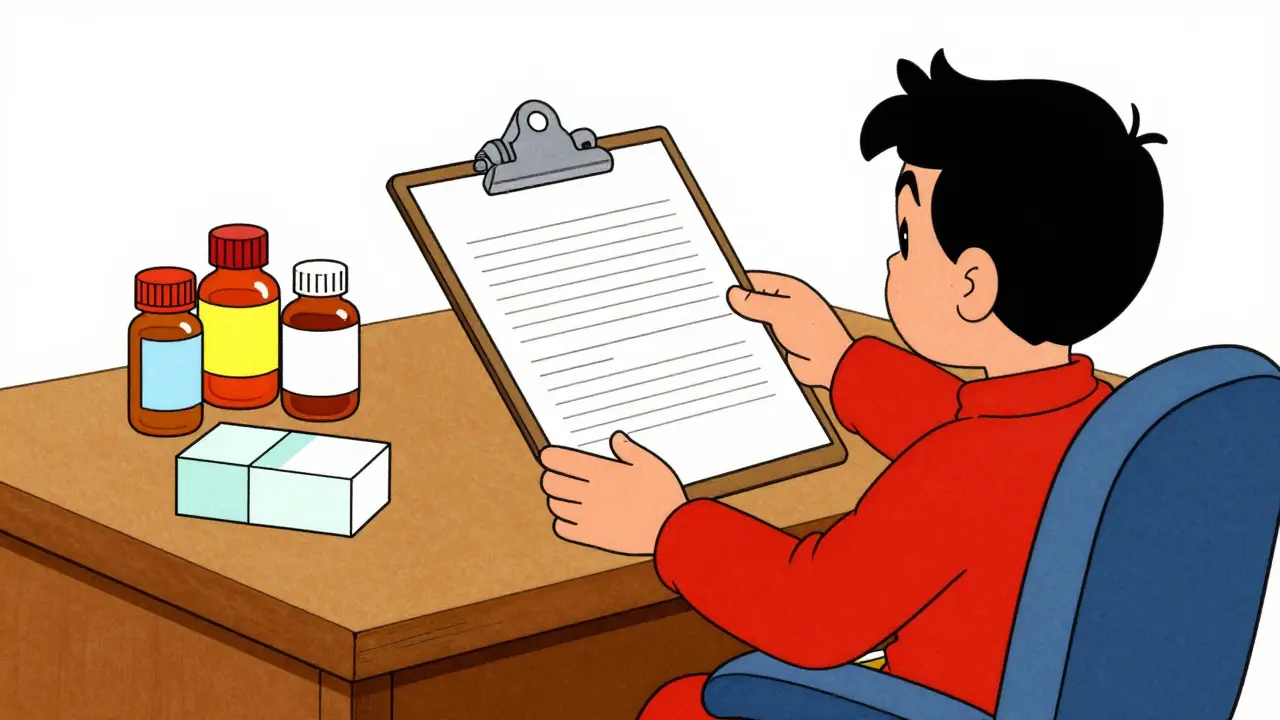
Choosing the right form is essential for your report to be processed correctly. There is no cost involved, and the forms are available digitally. The consumer-friendly version (Form 3500B) is specifically designed for people like you who are not licensed clinicians. It strips away technical jargon, focusing on what happened, when it happened, and what product was involved. The professional version (Form 3500) allows for deeper clinical detail, including lab results and interaction history with other medications. While most users utilize the online interface, understanding the underlying document structure helps you know what information to gather beforehand.
Step-by-Step Reporting Guide
If you decide to file a report, having the medication bottle or box in front of you speeds up the process significantly. Do not rely solely on memory for dates and dosages. Start by identifying the exact brand name and the generic ingredient if possible. Then, describe the specific event using plain language. Instead of saying "I had bad reactions," write "I experienced intense dizziness and fainting spells." Precision matters here because the data analysts look for specific keywords to spot trends across thousands of submissions.
- Access the Online Tool: Navigate to the FDA website’s reporting portal. The online tool guides you through the same fields found on the paper forms but with dropdown menus to minimize typing errors.
- Identify the Reporter: Decide whether you want your contact information kept on record. Anonymous reports are accepted, but providing details allows the FDA to ask follow-up questions if they need clarification.
- Describe the Event: Enter the date the symptom started and the outcome. Did you visit the ER? Did the symptoms stop after quitting the drug?
- List the Product: Include lot numbers if available. This helps track manufacturing batches.
- Submit: Once submitted, you will receive a reference number. Keep this for your records.
The entire process for consumers usually takes about 15 to 20 minutes. It is designed to be straightforward, yet comprehensive enough to capture the necessary signals. Remember, the FDA emphasizes that you do not need to determine the cause yourself. The reporting program is built to aggregate these pieces so experts can find the puzzle.

The Reality of Data Processing and Signals
After you click submit, your report joins a massive database called the FDA Adverse Event Reporting System (FAERS). This database receives over a million reports annually. Analysts use advanced statistical methods to sift through this noise to find safety signals. A signal indicates a potential problem that needs further investigation. It does not mean the FDA has definitively confirmed the drug causes harm, but it warrants closer scrutiny. For example, increased reports of anxiety linked to a vaccine might trigger a formal study.
However, we must acknowledge a significant limitation discussed in pharmacological literature. Dr. Donald Light, a critic of the current system, points out that reliance on voluntary reporting creates gaps. If a drug affects mostly healthy people who do not seek medical care, their adverse events may never enter the database. Additionally, negative publicity surrounding a drug can lead to “reporting waves,” where spikes in data occur simply because media coverage made people pay attention, not because actual injury rates increased. Understanding this context prevents panic when you hear about sudden recalls or alerts.
What Happens to Your Report?
A frequent concern among reporters is whether they will get feedback. Unfortunately, due to the volume of incoming data, the FDA rarely responds individually to specific reports unless they require more information. Your submission feeds into the broader safety monitoring net. Aggregated data helps drive decisions like updated warning labels, restrictions on use, or in rare cases, market withdrawal. While you might not see a "Thank you" letter, your contribution remains a permanent part of the safety record. Furthermore, knowing the status of a drug you took is valuable; many people check the "What's New" section of the safety site to stay informed about updates to their medications.
For those living outside the United States, such as in Australia, reporting to the FDA is generally reserved for products regulated by the U.S. agency. If you purchased a drug locally, your domestic regulator (like the TGA) is the appropriate venue. However, if you were prescribed a US-imported medication or experienced an event while traveling in the U.S., filing with MedWatch provides a direct line to the global oversight of that specific product batch. Cross-border awareness of these safety channels ensures that no harmful trend is isolated by geography.
Is it safe to report anonymously?
Yes. The FDA accepts anonymous reports to encourage more participation. However, providing contact information allows them to reach you if crucial details are unclear, which improves the quality of the safety review.
Do I need a doctor's permission to report?
No, you do not need permission. Any consumer can report a suspected problem directly to the FDA. Your doctor may already be planning to report it, but duplicate reporting does not negatively impact the system.
Will reporting a side effect stop my medication?
Reporting does not automatically result in a recall. Regulatory action is taken only after scientific analysis confirms a risk. However, discussing your symptoms with your healthcare provider is always recommended immediately after reporting.
Can I report issues with diet supplements?
Absolutely. Dietary supplements, infant formula, and medical foods fall under MedWatch jurisdiction. Serious allergic reactions to food and beverages are also reportable categories.
Does this process cost money?
No, filing a report through the FDA system is completely free. There are no fees for accessing the online forms or submitting data via mail.
Sam Hayes
April 1, 2026 AT 00:25The form 3500B is definitely the way to go for regular folks
It cuts out the medical jargon that confuses most people
Just make sure you keep the bottle handy while filling it out
Accuracy matters a lot when analysts scan for trends later on
sophia alex
April 1, 2026 AT 23:47They expect us to police ourselves and do their job 😡
Typical government move to shift blame onto the consumer
I refuse to waste time reporting when doctors are paid millions
The whole system feels rigged against the little guy 😤
We deserve better protection from these big pharma giants 🙄
Mark Zhang
April 3, 2026 AT 18:06Everyone deserves a chance to speak up about their health
It takes a brave person to admit something is wrong sometimes
Supporting each other makes the burden feel lighter overall
We can learn a lot from sharing experiences safely
Please stay strong during tough medical times
Dee McDonald
April 4, 2026 AT 04:23Take action now instead of waiting for others to warn you
Don't let fear stop you from filing that form today
Your voice matters more than you probably realize right now
Push forward with confidence even if the site is slow
Momentum builds when enough people decide to report together
Hope Azzaratta-Rubyhawk
April 4, 2026 AT 21:36Optimism suggests the data will eventually lead to safety improvements
Patience is required while regulatory processes move slowly
Trust that the aggregation helps identify risks eventually
Positive outcomes rely on consistent participation from patients
Forward thinking ensures future generations live safer lives
Ace Kalagui
April 5, 2026 AT 21:47Healthcare systems really differ everywhere you go
Here in the united states the bureaucracy is immense
I remember when my aunt tried to report her allergy back in the day
The forms were so confusing she just threw them away
We need better education for the common person
It takes courage to stand up and say something went wrong
Pharmaceutical companies hold a lot of power over patients
Sometimes they dismiss symptoms as placebo effects
But data shows real injuries happen daily
The online portal helps streamline things somewhat
You still feel like shouting into the void though
Many people fear losing access to necessary medication
This fear keeps dangerous drugs on the market longer than needed
We should trust the system works if we participate more
Community vigilance saves lives every single year
Keep doing your part even if no one thanks you
Thank god for this article explaining the basics clearly
angel sharma
April 7, 2026 AT 18:20The detailed steps help reduce anxiety around the reporting process
Knowing exactly what to prepare makes submission much faster
Documentation is key when dealing with regulatory agencies
Having records organized beforehand saves unnecessary delays later
Global standards often align with these domestic protocols too
Understanding the nuance protects individual rights effectively
Knowledge empowerment leads to better health outcomes globally
We must maintain high standards for public safety monitoring
Technological tools aid significantly in streamlining submissions
Consistency in data collection yields superior analytical results
Joey Petelle
April 9, 2026 AT 08:33Sure let us document every hiccup and tummy ache until the database explodes
Bureaucrats love counting paperwork instead of fixing the actual problem
Voluntary reporting sounds nice until you realize nobody checks the results anyway
Another layer of red tape for the average citizen to wade through
Joseph Rutakangwa
April 9, 2026 AT 13:08This process really does save lives
Will Baker
April 10, 2026 AT 06:05I doubt anything changes with all this noise
People report and the status quo remains exactly the same
Most of these signals never result in any meaningful warning labels
Your effort disappears into a digital black hole forever
Sakshi Mahant
April 10, 2026 AT 18:02International cooperation is vital for tracking drug safety issues
Cross border awareness prevents harmful trends from being isolated
Respect for local regulations remains important during travel
Reporting channels exist to serve a global community
Shared knowledge benefits everyone regardless of location
HARSH GUSANI
April 12, 2026 AT 10:05Good thing we have rules here in America 🇺🇸
Other places would not handle safety like this 👍
We need to follow the law and report bad stuff
Dont be lazy when medicine hurts you 😠
Stay safe everyone 🛡️
Rob Newton
April 14, 2026 AT 01:48Filing reports is mandatory if injury occurs legally
Ignoring symptoms puts the entire population at risk
Negligence regarding safety creates blind spots quickly