
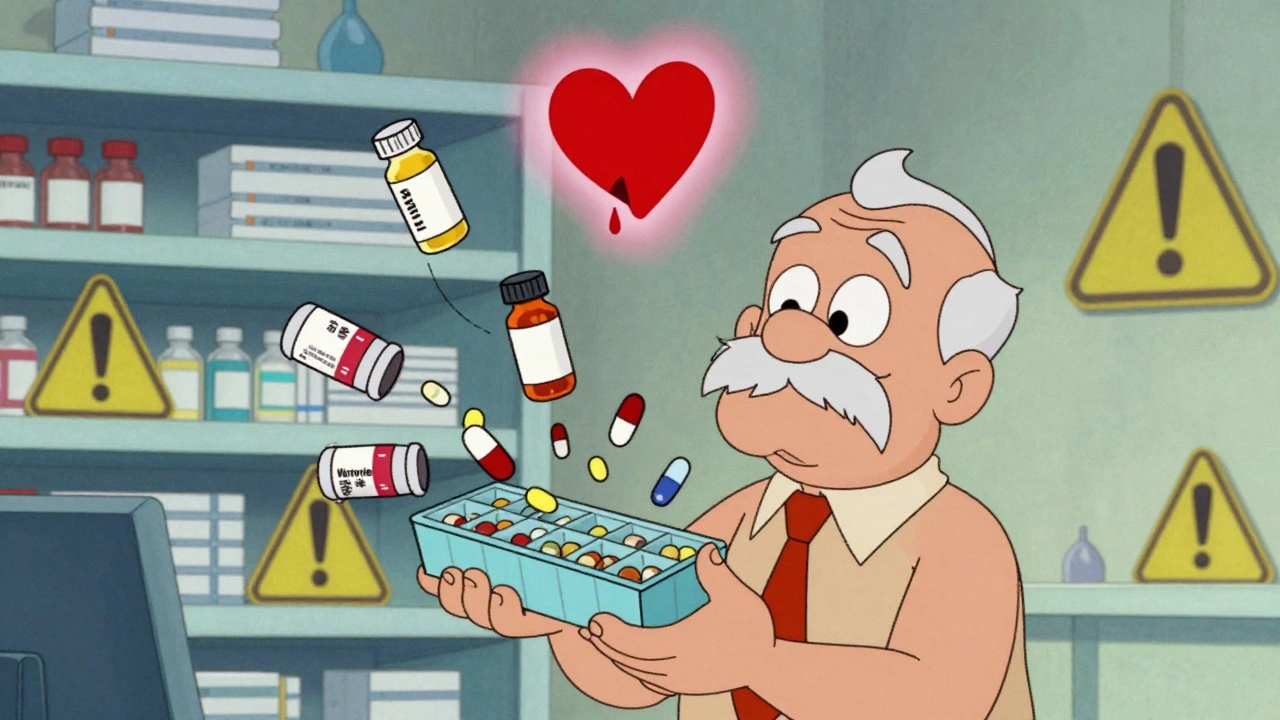
Every year, adverse drug events send over a million people to U.S. emergency rooms and land 125,000 in the hospital-many of these cases could have been avoided. It’s not just about taking the wrong pill. It’s about how drugs interact with your body, your other medications, your diet, and even your genes. Understanding what adverse drug events really are, how they show up, and how to stop them before they happen can save lives-yours or someone you care about.
What Exactly Is an Adverse Drug Event?
An adverse drug event (ADE) isn’t just a side effect. It’s any harm caused by a medication, whether it’s because the drug was taken incorrectly, it reacted badly with something else, or your body just didn’t handle it the way doctors expected. The key difference? An ADE is harm that actually happened to a patient. It’s not a near-miss. It’s not a warning. It’s damage done.
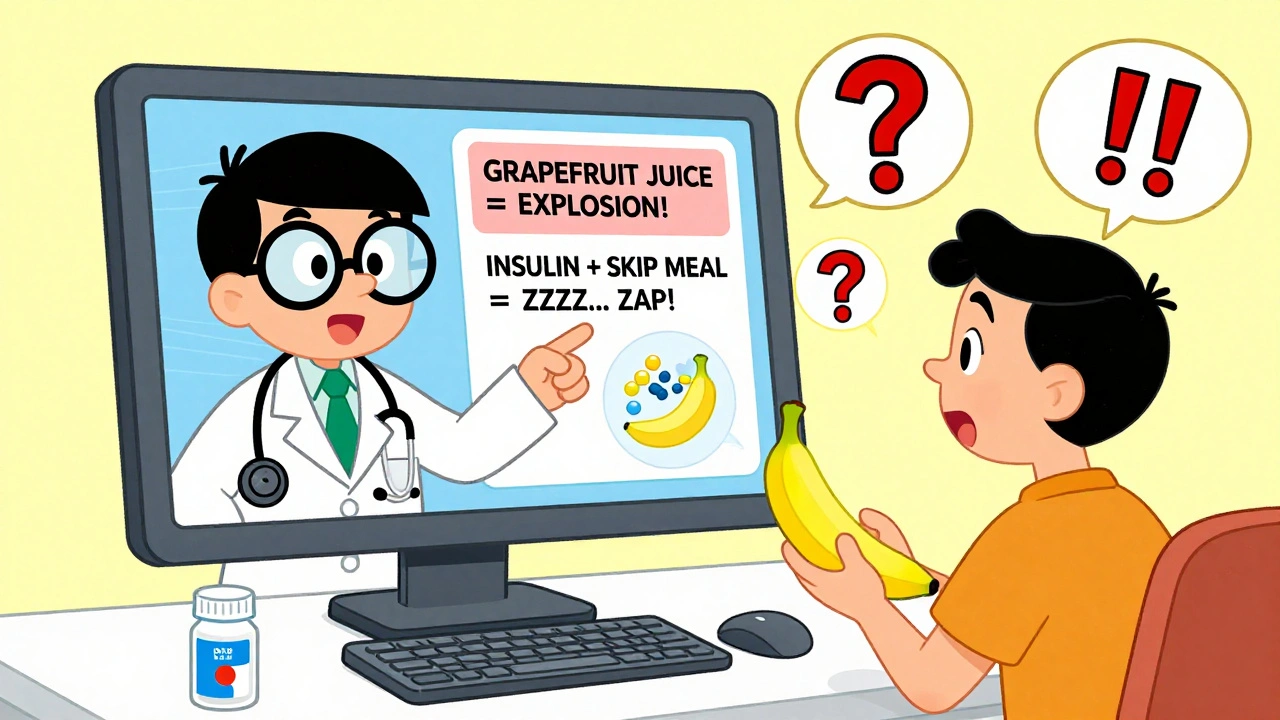
Think of it this way: if you take ibuprofen and get a stomach ulcer, that’s an ADE. If your pharmacist gives you the wrong dose of warfarin and you start bleeding internally, that’s an ADE. If you take insulin and your blood sugar crashes because you skipped dinner, that’s an ADE. It doesn’t matter if the mistake was yours, your doctor’s, or the pharmacy’s-if harm came from the drug, it’s classified as an ADE.
The term became widely recognized after the Institute of Medicine’s 2000 report To Err is Human, which revealed that medication errors alone were killing at least 7,000 people in U.S. hospitals each year. Since then, agencies like the U.S. Department of Health and Human Services and the World Health Organization have made ADE prevention a top priority. The WHO’s Medication Without Harm campaign, launched in 2017, aimed to cut severe, avoidable harm by half within five years. While progress has been made, the problem is still massive-and growing.
The Five Main Types of Adverse Drug Events
Not all ADEs are the same. They fall into clear categories, each with its own causes and risks.
- Adverse drug reactions (ADRs): These are the body’s unintended response to a drug at normal doses. For example, someone taking statins might develop muscle pain or liver enzyme spikes. These aren’t allergies-they’re predictable biological responses.
- Medication errors: These happen at any step: prescribing the wrong drug, dispensing the wrong dose, or giving it at the wrong time. A nurse accidentally gives a patient 10 times the prescribed dose of insulin? That’s a medication error-and it’s an ADE if the patient suffers.
- Drug-drug interactions: When two or more drugs mix and create a dangerous effect. For instance, taking fluoxetine (Prozac) with certain painkillers can trigger serotonin syndrome, a life-threatening condition.
- Drug-food interactions: Certain foods change how your body absorbs or breaks down a drug. Grapefruit juice, for example, can cause dangerous spikes in blood levels of statins, blood pressure meds, and some anti-anxiety drugs.
- Overdoses: Whether accidental or intentional, taking too much of a drug can be deadly. Opioids like fentanyl are the biggest concern here-over 70,000 overdose deaths in the U.S. in 2021 involved synthetic opioids.
Doctors and pharmacists also classify adverse drug reactions by type:
- Type A (80% of cases): Predictable, dose-related. Think nausea from antibiotics or dizziness from blood pressure meds. These are the most preventable.
- Type B: Unpredictable, rare, often allergic. Like anaphylaxis to penicillin.
- Type C: Chronic effects from long-term use. Think osteoporosis from years of steroid use.
- Type D: Delayed reactions. Cancer from chemotherapy years later.
- Type E: Withdrawal effects. Seizures from suddenly stopping anti-seizure meds.
The Top Three High-Risk Medications That Cause the Most Harm
Some drugs are far more dangerous than others-not because they’re bad drugs, but because they’re powerful and have narrow safety margins. Three stand out:
1. Anticoagulants (Warfarin, Eliquis, Xarelto)
Warfarin alone causes 33% of all ADE-related hospital admissions. Why? It’s tricky. The dose needs to be just right. Too little, and you risk a clot. Too much, and you bleed internally. INR levels must be checked regularly, but studies show that in outpatient settings, the target range is missed in 35% of tests. The result? Around 33,000 emergency visits a year from bleeding events.
2. Diabetes Medications (Insulin, Sulfonylureas)
Insulin is lifesaving-but it’s also one of the most dangerous drugs if mismanaged. About 100,000 emergency visits each year in the U.S. are due to insulin-related hypoglycemia. Over 60% of those cases involve people over 65. Elderly patients often forget meals, take multiple meds, or have impaired kidney function-all of which increase risk. A single wrong dose can send someone into a coma.
3. Opioids (Oxycodone, Fentanyl, Hydrocodone)
Opioids are responsible for 40% of all medication-related deaths. In 2021, 107,622 people died from drug overdoses in the U.S., and 70,601 of those involved synthetic opioids like fentanyl. Even prescription opioids carry risk-especially when combined with benzodiazepines or alcohol. The combination can shut down breathing.
These aren’t outliers. They’re the most common culprits because they’re widely used and have little room for error.
How to Prevent Adverse Drug Events: Six Proven Strategies
Preventing ADEs isn’t about one big fix. It’s about layers of safety that work together.
1. Medication Reconciliation
When you’re admitted to or discharged from a hospital, your meds should be reviewed and compared to what you were taking before. A 2020 study in Annals of Internal Medicine found this process cuts post-discharge ADEs by 47%. That’s huge. Many patients come home with new prescriptions, old ones still on the list, and no one checking for overlaps or conflicts.
2. Full Medication List Review
Keep a written list of every medication you take-including supplements, OTC painkillers, and herbal remedies. Bring it to every appointment. A 2019 study in JAMA Internal Medicine showed this simple step reduces ADE risk by 30%. Pharmacists can spot hidden interactions you never knew existed.
3. Electronic Prescribing with Clinical Decision Support
Electronic systems don’t just send prescriptions faster-they flag risks. If you’re on warfarin and your doctor tries to prescribe an antibiotic that boosts its effect, the system can warn them. The Agency for Healthcare Research and Quality reports these systems reduce prescribing errors by 48%. But here’s the catch: only 45% of U.S. hospitals have fully integrated these tools. Many still use basic e-prescribing without safety alerts.
4. Patient Education
People who understand their meds are less likely to make mistakes. A 2021 Cochrane review found that clear, personalized education improves adherence by 22%. That means knowing why you take the drug, what to avoid, and what symptoms mean danger. If you’re on insulin, you need to know the signs of low blood sugar-and what to do when it happens.
5. Pharmacist-Led Medication Therapy Management (MTM)
Pharmacists aren’t just dispensers. They’re medication experts. MTM services involve one-on-one reviews where pharmacists identify problems like duplicate therapy, incorrect dosing, or unnecessary drugs. Studies show they resolve an average of 4.2 medication issues per patient-and reduce ADE risk by 32%. Veterans Affairs clinics with pharmacist-run anticoagulation programs cut major bleeding events by 60%.
6. Deprescribing
Older adults often take 10 or more medications. Many are no longer needed-or are doing more harm than good. Drugs like anticholinergics (used for allergies, bladder issues, depression) increase dementia risk and cause dizziness and falls. The VA’s structured deprescribing protocols reduced anticholinergic-related ADEs by 40% in elderly patients. But only 15% of primary care providers regularly screen for inappropriate meds using tools like the Beers Criteria.
Technology and the Future of ADE Prevention
The next wave of ADE prevention is coming from data and AI. At Johns Hopkins, pilot programs use machine learning to analyze 50+ patient variables-age, kidney function, genetics, current meds, lab results-to predict who’s most likely to have an ADE. These tools reduced events by 17% in early trials.
Pharmacogenomics-the study of how your genes affect drug response-is also growing. Right now, only 5% of patients get tested before starting high-risk drugs like clopidogrel or warfarin. But by 2027, that number could jump to 30%. That means your DNA could tell your doctor whether you need half the usual dose of a drug-or whether you should avoid it entirely.
Meanwhile, the FDA’s Sentinel Initiative now monitors 190 million patient records in real time to catch emerging safety signals. And the 21st Century Cures Act pushed hospitals to adopt interoperable electronic health records. But adoption isn’t enough-integration is key. Systems that don’t talk to each other can’t protect you.
What You Can Do Right Now
You don’t need a PhD to protect yourself from ADEs. Here’s what works:
- Keep a written, up-to-date list of every medication and supplement you take. Update it after every doctor visit.
- Ask your pharmacist: “Could this interact with anything else I’m taking?” Don’t assume they know your full list.
- For high-risk drugs like warfarin, insulin, or opioids, know the warning signs of trouble-and what to do.
- If you’re over 65, ask your doctor: “Are any of my meds potentially inappropriate for my age?”
- Never stop a drug suddenly unless told to. Withdrawal can be deadly.
Medication safety isn’t just the doctor’s job. It’s yours too. The system has tools. But they only work if you use them.
What’s the difference between an adverse drug reaction and an adverse drug event?
An adverse drug reaction (ADR) is a specific type of harm caused by a drug’s pharmacological effect-like nausea or dizziness. An adverse drug event (ADE) is any harm caused by a medication, including ADRs, medication errors, overdoses, and interactions. All ADRs are ADEs, but not all ADEs are ADRs.
Can I prevent ADEs on my own?
Yes. Keeping a complete, updated list of all your medications-including vitamins and supplements-and sharing it with every provider is the single most effective step. Ask questions: Why am I taking this? What side effects should I watch for? Could this interact with my other drugs? Don’t be afraid to speak up.
Which medications are the most dangerous?
The top three are anticoagulants (like warfarin), diabetes drugs (especially insulin), and opioids. Warfarin causes the most hospital admissions due to its narrow safety window. Insulin causes hypoglycemia, which is especially risky for older adults. Opioids, particularly synthetic ones like fentanyl, cause the most deaths. These aren’t bad drugs-they’re powerful ones that need careful management.
Do pharmacists really help prevent ADEs?
Absolutely. Pharmacists review your entire medication profile and can catch interactions, duplicate prescriptions, and inappropriate dosing that doctors might miss. Medication Therapy Management (MTM) services provided by pharmacists resolve an average of 4.2 medication problems per patient and reduce ADE risk by 32%.
Is it safe to stop a medication if I think it’s causing problems?
No. Stopping certain drugs suddenly-like blood pressure meds, antidepressants, or anti-seizure drugs-can cause serious withdrawal effects, including seizures or heart problems. Always talk to your doctor or pharmacist first. They can help you taper safely or switch to a safer alternative.
What’s the role of genetics in ADE prevention?
Your genes can affect how your body processes drugs. For example, some people metabolize clopidogrel (a blood thinner) too slowly, making it ineffective. Others break down warfarin too quickly, needing higher doses. Pharmacogenomic testing can identify these differences before prescribing. While only 5% of patients get tested today, experts predict that number will reach 30% by 2027, preventing tens of thousands of ADEs annually.
Final Thought: Safety Is a Team Sport
Adverse drug events aren’t inevitable. They’re the result of gaps in communication, incomplete information, and systems that don’t talk to each other. But the tools to fix this exist. Better technology. Better training. Better patient engagement. The real challenge isn’t science-it’s consistency. Making sure every doctor, pharmacist, and patient plays their part. Because when it comes to your health, the smallest mistake can have the biggest consequence.
Evelyn Pastrana
December 10, 2025 AT 08:46Nikhil Pattni
December 10, 2025 AT 10:58Arun Kumar Raut
December 11, 2025 AT 09:05precious amzy
December 13, 2025 AT 08:34William Umstattd
December 13, 2025 AT 12:44Elliot Barrett
December 13, 2025 AT 14:34Tejas Bubane
December 15, 2025 AT 01:36Ajit Kumar Singh
December 16, 2025 AT 17:59Maria Elisha
December 18, 2025 AT 15:27Andrea Beilstein
December 19, 2025 AT 07:48Sabrina Thurn
December 20, 2025 AT 17:27Philippa Barraclough
December 22, 2025 AT 08:32