
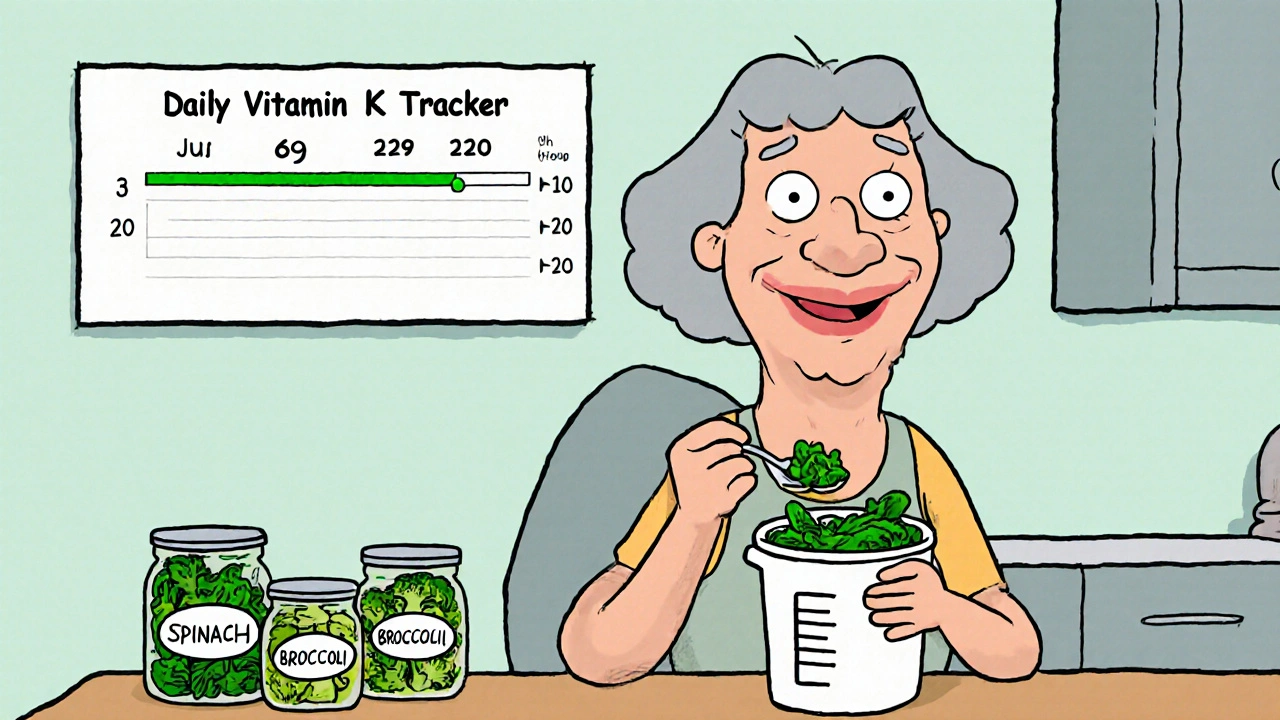
Learn how to eat vitamin K foods safely on warfarin. Consistency-not restriction-is the key to stable INR levels. Discover which foods matter most and how to build a routine that works.
Vitamin K Foods: Best Sources and Why They Matter for Your Health
When you think about vitamins, you probably think of vitamin K, a fat-soluble nutrient essential for blood clotting and bone metabolism. Also known as phylloquinone when it comes from plants, vitamin K doesn’t get the spotlight like vitamin C or D—but without it, even a small cut could bleed longer than it should.
There are two main forms: vitamin K1, the plant-based version found in leafy greens, and vitamin K2, the animal and fermented version that helps move calcium into your bones. Most people get enough K1 from their diet, but K2 is trickier to find. If you’re on blood thinners like warfarin, your doctor might watch your vitamin K intake closely—it directly affects how the drug works. But for everyone else, getting enough isn’t about supplements—it’s about what’s on your plate.
Dark leafy greens like kale, spinach, and Swiss chard are the biggest sources of K1. One cup of cooked kale gives you over 1,000 micrograms—more than double what most adults need daily. Broccoli, Brussels sprouts, and cabbage aren’t far behind. For K2, look to fermented foods like natto (a Japanese soy dish), hard cheeses like Gouda, and egg yolks. Grass-fed butter and liver also contain decent amounts. If you’re vegetarian or vegan, you’ll need to rely more on greens and maybe fermented options like sauerkraut or miso. Most people don’t realize that fat helps your body absorb vitamin K, so tossing a little olive oil on your salad isn’t just tasty—it’s necessary.
Low vitamin K doesn’t always cause obvious symptoms. You won’t feel tired or sick right away. But over time, you might notice easy bruising, nosebleeds, or heavier periods. In older adults, low levels are linked to weaker bones and higher fracture risk. It’s not a crisis for most, but it’s one of those quiet, slow-burn deficiencies that adds up. And unlike vitamin D, you can’t get enough from sunlight. You have to eat it.
The posts below cover everything from which foods pack the most punch to how vitamin K interacts with medications, supplements, and even gut health. Whether you’re trying to prevent deficiency, manage a medical condition, or just eat smarter, you’ll find real, no-fluff advice here—no guesswork, just what works.