
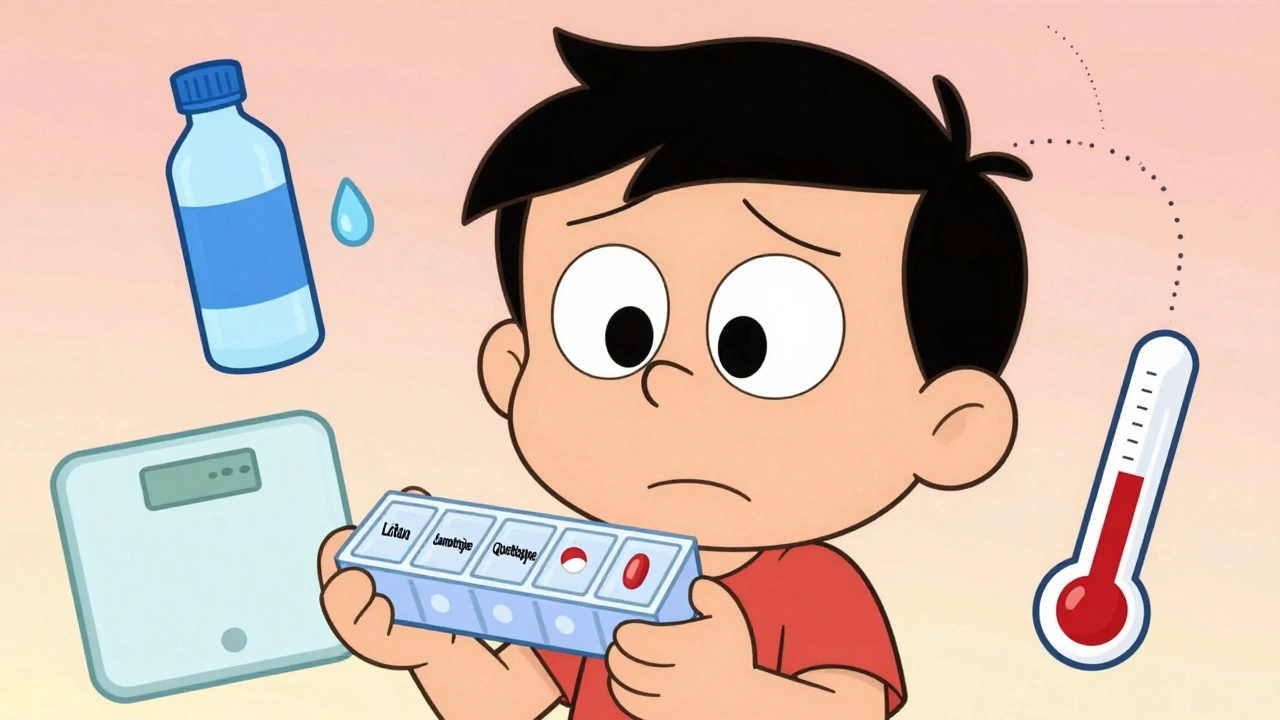
Managing bipolar disorder requires balancing mood stabilizers like lithium and antipsychotics like quetiapine. Learn how these drugs work, their side effects, real patient experiences, and how to stay safe while staying stable.
Antipsychotics: What They Are, How They Work, and What You Need to Know
When someone is struggling with antipsychotics, a class of medications used to treat psychosis, including hallucinations, delusions, and disordered thinking. Also known as neuroleptics, they are a cornerstone of treatment for conditions like schizophrenia and severe bipolar disorder. These aren’t mood boosters or sleep aids—they’re precision tools designed to reset how the brain processes reality. If you or someone you care about has been prescribed one, you’re probably wondering: How do they actually work? And what’s the real cost?
Antipsychotics target dopamine, a brain chemical that’s often overactive in psychosis. First-generation types, like haloperidol, block dopamine receptors strongly, which helps reduce hallucinations but can cause stiffness, tremors, or even long-term movement issues. Second-generation antipsychotics—like risperidone, olanzapine, and quetiapine—also affect serotonin, which often means fewer movement side effects but higher risks of weight gain, diabetes, or high cholesterol. It’s not a one-size-fits-all game. What works for one person might leave another feeling like a zombie or gaining 30 pounds in months.
These medications don’t fix everything. They manage symptoms, but they don’t cure the underlying condition. That’s why they’re often paired with therapy, support groups, or lifestyle changes. And while many people stay on them for years, some can reduce doses over time under careful supervision. The key is monitoring—not just for side effects, but for whether the drug is still doing its job. If you’re feeling numb, sluggish, or emotionally flat, that’s not normal tolerance—it’s a red flag. You’re not weak for asking if there’s another option.
Antipsychotics interact with everything. Alcohol, sleep aids, even certain antibiotics can turn a safe dose into a dangerous one. That’s why the post collection below dives into real-world issues: how to spot medication-induced anxiety, why some people develop tolerance, how to handle rare but serious reactions like rhabdomyolysis from other drugs, and how to avoid dangerous interactions with CNS depressants. You’ll also find guides on translating prescriptions for foreign pharmacies, syncing refills to avoid gaps, and spotting counterfeit meds—because when you’re managing a serious mental health condition, every pill counts.
These aren’t just drug facts. They’re survival tips for people living with conditions that society often misunderstands. Whether you’re a patient, a caregiver, or just trying to make sense of a diagnosis, the posts here give you the unfiltered details you won’t get from a brochure. No fluff. No jargon. Just what you need to know to stay safe, informed, and in control.