
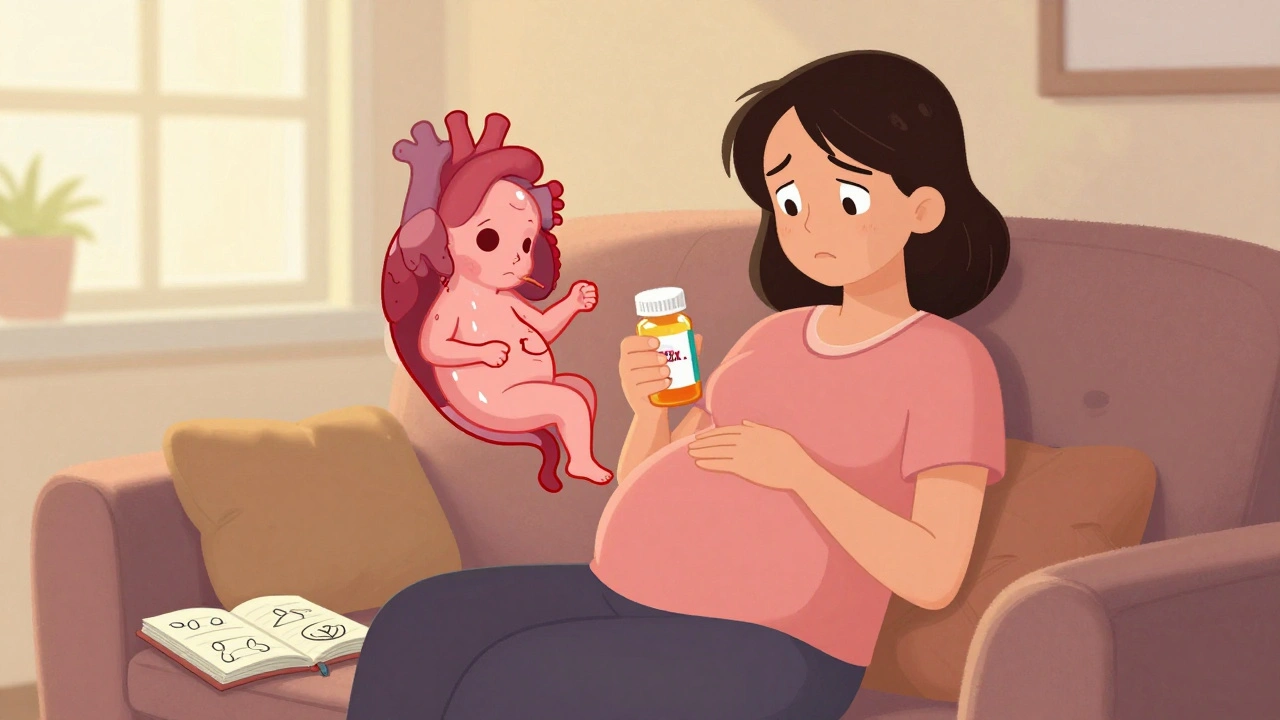
Benzodiazepines during pregnancy carry real risks for birth defects, miscarriage, and neonatal withdrawal. Learn what the latest research says about alprazolam, lorazepam, and safer alternatives for anxiety and insomnia.
Benzodiazepines and Pregnancy: Risks, Alternatives, and What You Need to Know
When you're pregnant, every medication you take matters—and benzodiazepines, a class of CNS depressants used for anxiety, insomnia, and seizures. Also known as benzos, they include drugs like diazepam, lorazepam, and alprazolam. These aren’t just regular pills. They cross the placenta. They affect your baby’s developing brain. And while they might help you sleep or calm your nerves, the long-term effects aren’t worth the risk for most pregnant people.
CNS depressants, including benzodiazepines and barbiturates, slow down your nervous system. In pregnancy, that slowdown can mean slower fetal breathing, lower muscle tone at birth, and even withdrawal symptoms in newborns. Studies show babies exposed to benzodiazepines late in pregnancy are more likely to need NICU care. It’s not about fear—it’s about facts. And if you’re on these meds for anxiety or seizures, stopping cold turkey can be just as dangerous. The real goal? Finding safer options that don’t leave you stuck between two bad choices.
That’s where pregnancy-safe alternatives, like cognitive behavioral therapy, certain SSRIs, or non-drug stress management come in. For anxiety, therapy works better long-term than pills. For seizures, some anticonvulsants like lamotrigine have more data behind them than benzos. And if you’re taking benzos for sleep? Sleep hygiene, magnesium, and relaxation techniques often do more good than any pill ever could. You don’t have to suffer. You just need better tools.
The posts below don’t sugarcoat things. They talk about how benzodiazepines interact with other sedatives, why mixing them with alcohol is a dangerous combo, and how medication side effects can change during pregnancy. You’ll find real talk on what happens when you switch meds mid-pregnancy, how to spot withdrawal in newborns, and what doctors actually recommend when the anxiety hits hard. No fluff. No marketing. Just what you need to know to protect yourself and your baby.