
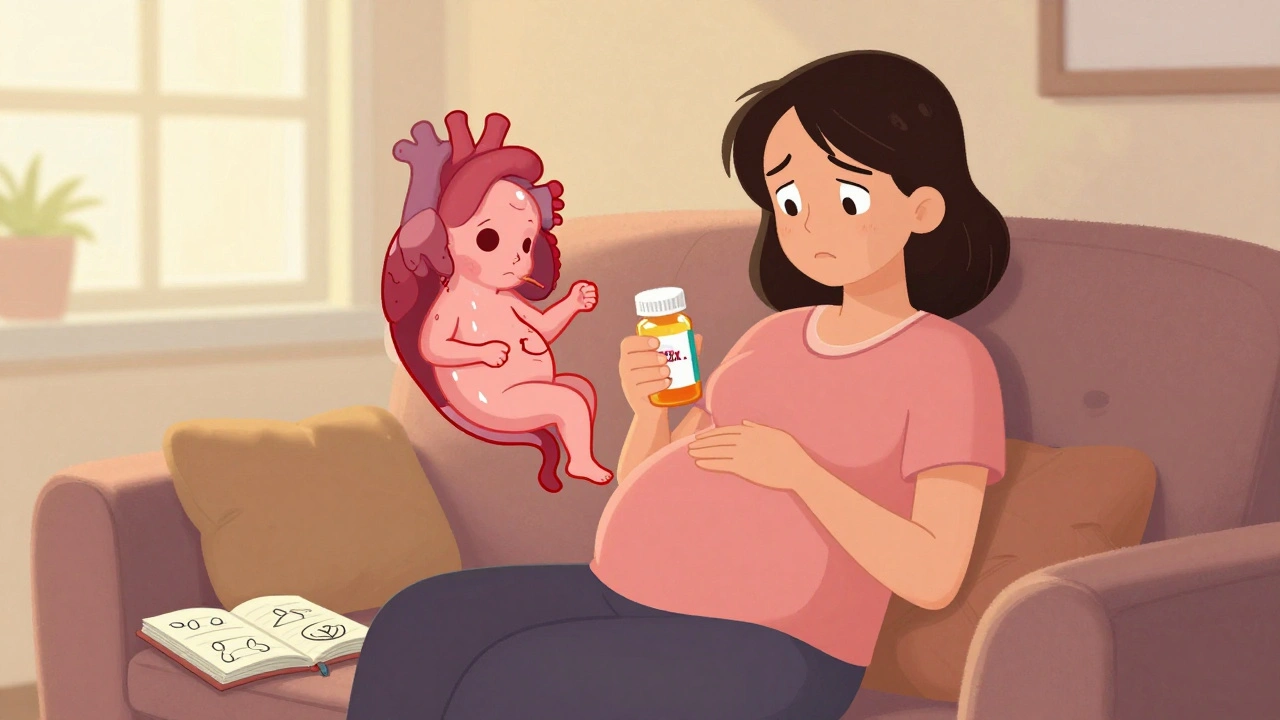
Benzodiazepines during pregnancy carry real risks for birth defects, miscarriage, and neonatal withdrawal. Learn what the latest research says about alprazolam, lorazepam, and safer alternatives for anxiety and insomnia.
Birth Defects: Causes, Risks, and What You Need to Know
When we talk about birth defects, structural or functional abnormalities present at birth that can affect any part of the body. Also known as congenital anomalies, they occur in about 1 in 33 babies worldwide and range from minor issues like a small gap in the fingers to serious conditions like heart malformations or neural tube defects. These aren’t random accidents—they often come from a mix of genetics, environment, and choices made before and during pregnancy.
One of the biggest concerns linked to birth defects is medication use during pregnancy. Many common drugs—like certain antidepressants, acne treatments, or even over-the-counter painkillers—can interfere with fetal development, the process by which a baby’s organs and systems form in the womb. For example, isotretinoin (used for severe acne) is known to cause serious malformations if taken while pregnant. Even something as simple as alcohol can disrupt how cells grow and connect, leading to fetal alcohol syndrome, a preventable condition causing physical, behavioral, and learning problems. It’s not about being perfect—it’s about being informed. If you’re planning a pregnancy or already pregnant, knowing what’s safe and what’s risky matters more than you think.
Genetics also play a big part. genetic disorders, conditions passed down through DNA that can cause structural or metabolic issues like Down syndrome or cystic fibrosis aren’t caused by anything a parent did—they’re random combinations of inherited genes. But even here, timing and environment can influence outcomes. Folic acid, for instance, reduces the risk of neural tube defects by up to 70% when taken before conception. That’s not magic—it’s science you can act on.
It’s not just drugs and genes. Poor nutrition, uncontrolled diabetes, infections like rubella or Zika, and even exposure to certain chemicals or radiation can raise the chance of problems. The good news? Many of these risks are preventable. You don’t need to live in fear—but you do need to know what to watch for.
The posts below dig into real cases and connections: how certain medications might affect early pregnancy, what supplements actually help, and which conditions are linked to higher risks. You’ll find clear, no-fluff answers about what to avoid, what to ask your doctor, and how to make smarter choices before and during pregnancy. This isn’t theoretical—it’s practical, real-world info from people who’ve been there.