
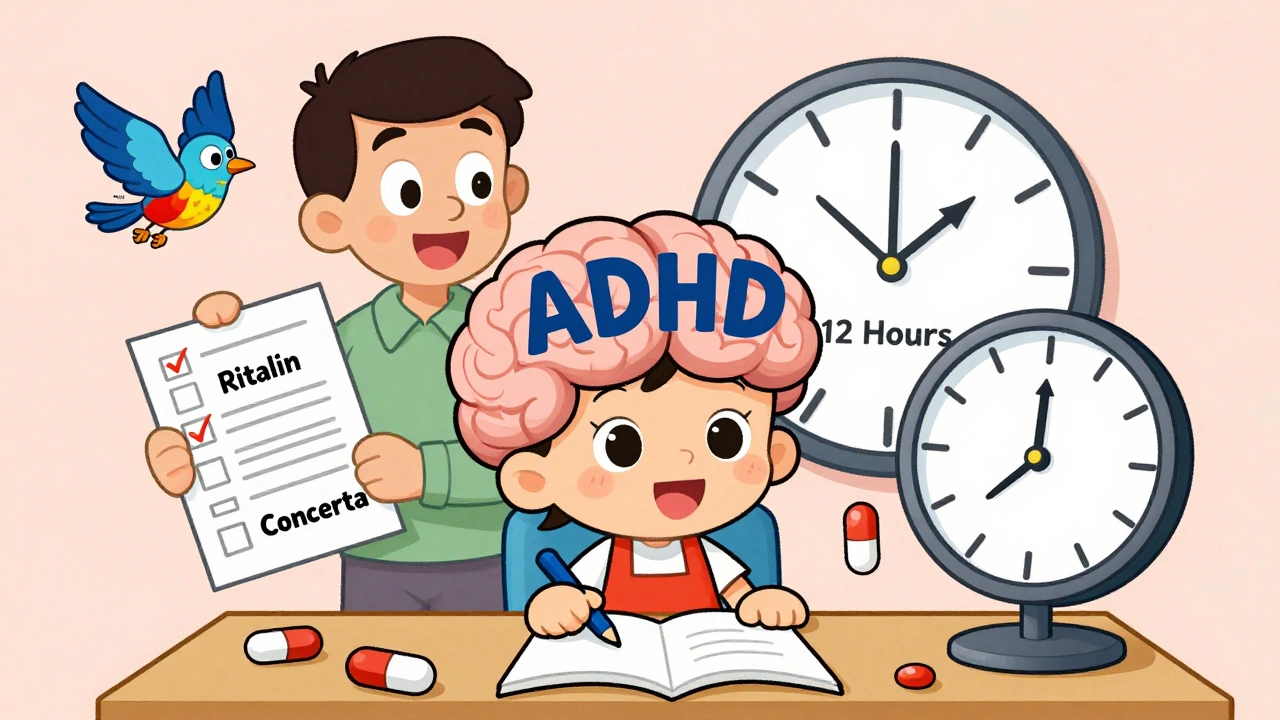
Explore effective ADHD treatment options including stimulants, non-stimulants, and behavioral strategies backed by research. Learn what works, side effects to watch for, and how to build a personalized plan.
Non-Stimulant ADHD Treatments: What Works, What Doesn't, and How to Find the Right Fit
When non-stimulant ADHD treatments are needed, it’s usually because stimulants didn’t work, caused too many side effects, or weren’t safe for the person taking them. Unlike stimulants that boost dopamine right away, non-stimulant options work slower but can last all day and don’t carry the same risk of misuse. These medications target different brain pathways—often norepinephrine—to help with focus, impulse control, and emotional regulation. For parents of kids with ADHD or adults who’ve tried Adderall or Ritalin without luck, non-stimulant options aren’t a backup—they’re a real alternative.
Atomoxetine, sold as Strattera, is one of the most common non-stimulant prescriptions. It takes weeks to build up in your system, but once it does, it provides steady symptom control without the highs and crashes of stimulants. Then there’s guanfacine, originally a blood pressure drug, now used off-label and FDA-approved for ADHD. It calms the prefrontal cortex, helping with attention and emotional outbursts. Both are especially useful for people with anxiety, sleep issues, or a history of substance use, where stimulants might make things worse. These drugs don’t cure ADHD, but they can make daily life manageable—without the jitteriness, appetite loss, or insomnia that often come with stimulants.
Not everyone responds the same way. Some people find non-stimulants barely make a difference, while others say they’re life-changing. That’s why trying one isn’t a failure—it’s part of the process. If you’ve been told stimulants are the only option, you’re not alone. But the truth is, over 30% of ADHD patients end up on non-stimulants at some point, either alone or paired with behavioral therapy. The key is patience. These meds don’t kick in overnight, but when they do, the results are often more stable. And unlike stimulants, they’re not controlled substances, so refills are easier, and there’s less stigma.
Below, you’ll find real-world advice on how these drugs compare, what side effects to watch for, how they interact with other medications, and when they’re the best choice. Whether you’re a parent, a patient, or just trying to understand what’s out there, these posts give you the facts—not the hype.