
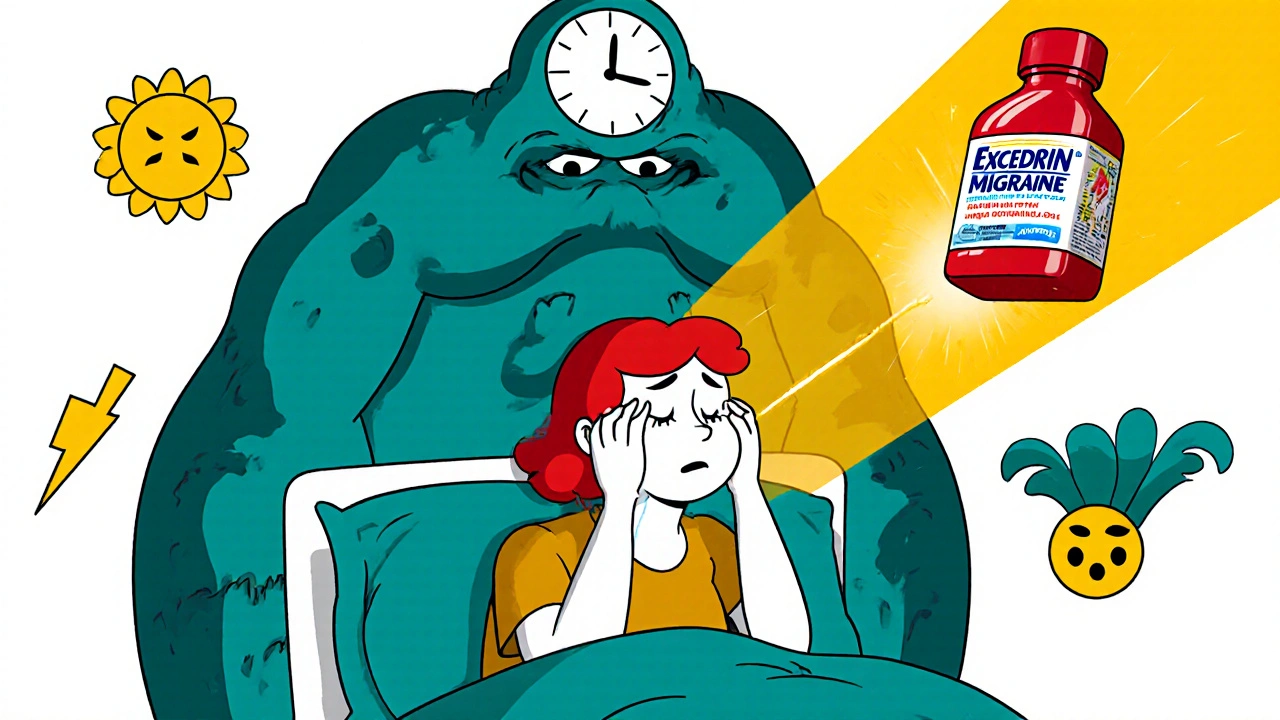
Learn about proven abortive and preventive migraine medications, including triptans, NSAIDs, and CGRP inhibitors. Discover what works best, why opioids should be avoided, and how to access newer treatments.
Preventive Migraine Drugs: What Works, What to Avoid, and How to Find the Right One
When migraines keep coming back, you don’t just need pain relief—you need preventive migraine drugs, medications taken daily to reduce how often and how severely migraines strike. Also known as migraine prophylaxis, these aren’t quick fixes like painkillers. They’re long-term tools that change how your brain handles triggers, and they can cut attack frequency by half or more for many people.
Not all preventive drugs are the same. Some, like beta-blockers, blood pressure medications repurposed to calm overactive nerve signals in the brain, have been used for decades. Others, like CGRP inhibitors, newer injectables that block a key protein linked to migraine pain, are changing the game with fewer side effects. Then there are older options like anti-seizure drugs, such as topiramate, that stabilize brain activity, and even certain antidepressants that help with both pain and mood. The right one depends on your health history, other conditions you have, and what side effects you can tolerate.
What you won’t find in this list are miracle cures. Preventive migraine drugs take weeks to show results. Some people try two or three before finding one that clicks. And while preventive migraine drugs can reduce attacks, they don’t eliminate them entirely—especially if you’re still exposed to triggers like sleep loss, stress, or certain foods. That’s why many people combine them with lifestyle tweaks: keeping a regular schedule, staying hydrated, avoiding known triggers, and tracking patterns. The goal isn’t perfection. It’s fewer bad days.
What you’ll find in the posts below are real-world insights from people who’ve been there. You’ll see how Imitrex (sumatriptan), a common acute migraine treatment fits into a broader plan, why some people switch from beta-blockers to CGRP inhibitors, and what to do when a drug stops working. You’ll also learn about the hidden risks—like how certain medications can trigger anxiety or interact with alcohol—and how to spot when it’s time to talk to your doctor. This isn’t a list of drug ads. It’s a collection of honest experiences, practical tips, and science-backed alternatives to help you take control without guesswork.