
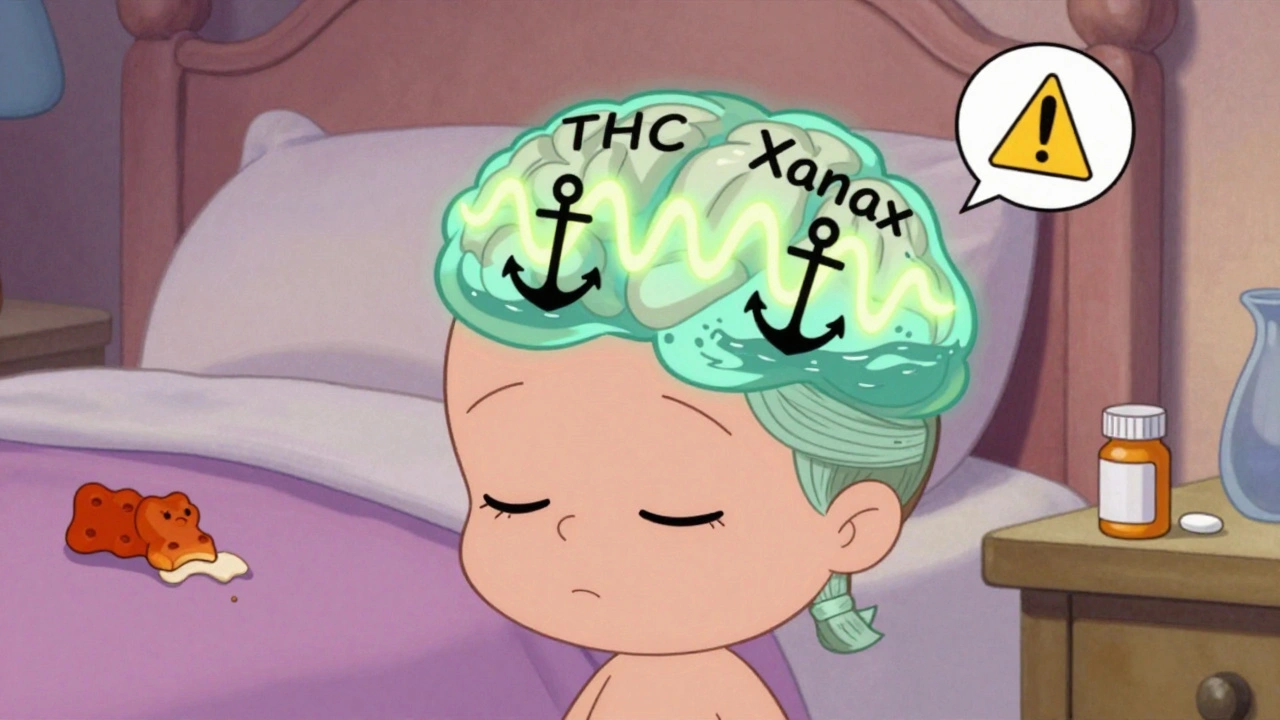
Combining cannabis with CNS depressants like benzodiazepines or opioids can cause dangerous sedation, slowed breathing, and overdose. Learn the real risks, who's most at risk, and how to stay safe.
Additive Sedation: What It Is, How It Works, and What Medications Cause It
When you take more than one drug that slows down your nervous system, you might experience additive sedation, the combined calming effect of multiple drugs that together cause excessive drowsiness, slowed breathing, or even loss of consciousness. Also known as synergistic sedation, it’s not about one drug being strong—it’s about how they team up to amplify each other’s effects. This isn’t rare. It happens every day with common prescriptions, over-the-counter sleep aids, and even alcohol mixed into the mix.
Benzodiazepines, a class of drugs used for anxiety, insomnia, and seizures, are one of the biggest culprits. Drugs like lorazepam and alprazolam already cause drowsiness on their own. But when paired with opioids, pain relievers like oxycodone or hydrocodone, the risk of dangerous sedation jumps sharply. Even antihistamines, found in many cold and allergy medicines like diphenhydramine, can turn a normal night’s sleep into a near-coma when stacked with other sedatives. These aren’t just theoretical risks—emergency rooms see cases weekly where people didn’t realize their morning pill, evening painkiller, and nightcap were working together to shut down their breathing.
It’s not just about pills. Some muscle relaxants, sleep meds like zolpidem, and even certain antidepressants can add to the mix. The problem? Most people don’t know their meds are sedating. Your doctor might prescribe one drug for pain and another for anxiety, never connecting the dots. And if you’re taking something from the pharmacy shelf—like a nighttime sleep aid—you might not even think to mention it. The real danger isn’t the drugs themselves. It’s the silence around how they interact.
If you’re on more than one medication and feel unusually tired, dizzy, or foggy, don’t brush it off. That’s not just aging or stress. That’s your body telling you something’s off. Check your labels. Talk to your pharmacist. Ask if any of your drugs can make you sleepy when combined. It’s not about stopping treatment—it’s about balancing safety with effectiveness. The posts below cover exactly this: how medications like benzodiazepines, opioids, and even common OTC products can pile up to create silent, life-threatening sedation. You’ll find real examples, warnings from recent studies, and practical steps to protect yourself—without needing a medical degree to understand them.