
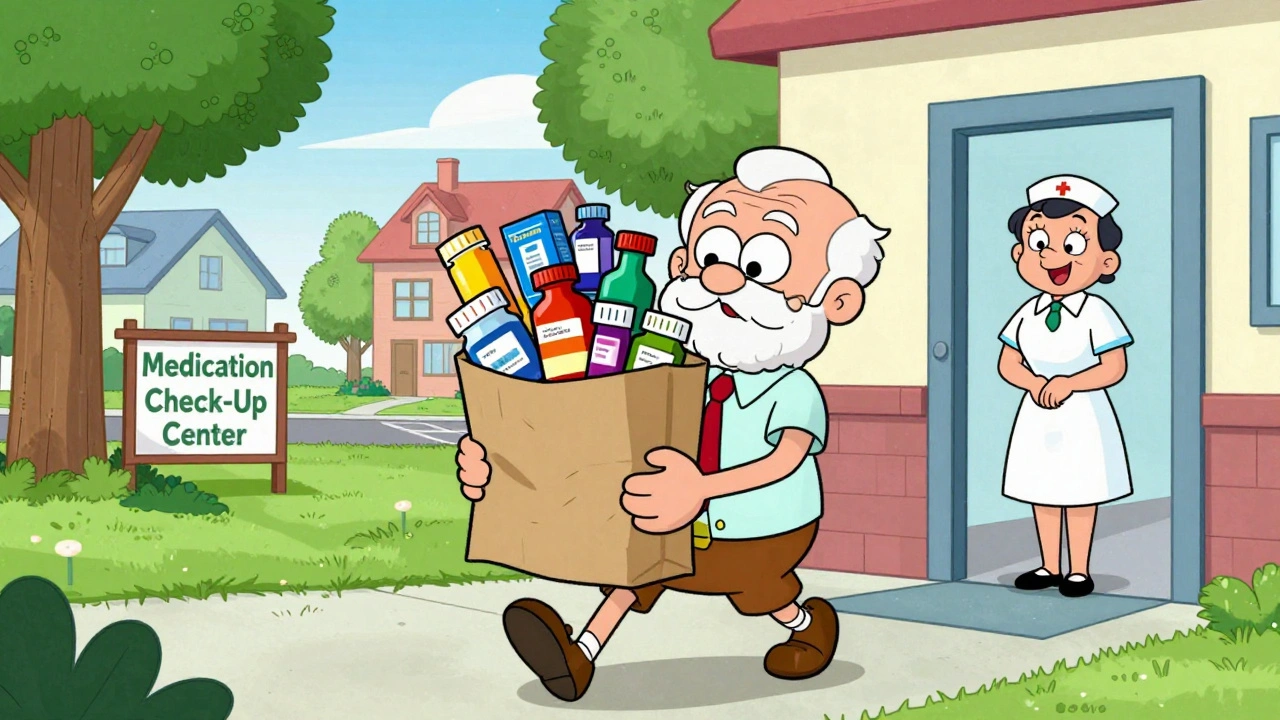
Bring your actual pill bottles to appointments to ensure your doctor has the full, accurate list of everything you're taking - prescriptions, supplements, and even discontinued meds. This simple step cuts medication errors by two-thirds.
Medication Reconciliation: Why It Saves Lives and How It Works
When you’re taking multiple drugs—maybe for diabetes, high blood pressure, and arthritis—medication reconciliation, the process of comparing your current medication list with what you’re actually taking to catch errors and omissions. It’s not just paperwork; it’s a safety net that stops mix-ups before they land you in the ER. This isn’t something only hospitals do. If you’ve ever switched doctors, been discharged after a hospital stay, or started seeing a new specialist, you’ve probably gone through it—even if you didn’t realize it.
Drug interactions, when two or more medications react in harmful ways are one of the biggest reasons medication reconciliation matters. Think of it like this: if you’re on warfarin and suddenly start eating more spinach, your blood thinning can go haywire. Or if you’re taking benzodiazepines and add cannabis, you could end up with dangerously slow breathing. These aren’t rare cases—they happen every day. Pharmacy services, including refill synchronization and medication reviews are stepping in to help. Pharmacies now track your full list, flag conflicts, and even call your doctors to fix discrepancies. It’s not magic—it’s just better systems.
And it’s not just about pills. Medication adherence, how consistently you take your drugs as prescribed is half the battle. If you forget a dose, skip one because it’s expensive, or stop because you feel better, your treatment fails. Medication reconciliation catches these gaps. It asks: Are you really taking lithium every day? Did you stop the statin because of muscle pain? Did you pick up the new antibiotic but never start it? These are the questions that save lives.
Most people think this is a hospital thing, but it’s just as important at home. If you’re managing five or more meds, you’re at risk. Older adults, people with chronic conditions, and those seeing multiple specialists are the most vulnerable. But even young, healthy people can get tripped up—especially when traveling, switching pharmacies, or starting new treatments. That’s why prescription management, the ongoing process of organizing, reviewing, and adjusting your meds is becoming part of everyday care.
What you’ll find below are real stories and practical guides on how this all works. From syncing your refills to translating drug names abroad, from spotting anxiety caused by pills to avoiding dangerous alcohol interactions—every post ties back to one goal: keeping your meds safe, simple, and effective. You won’t find fluff here. Just clear, usable info that helps you take control before something goes wrong.