
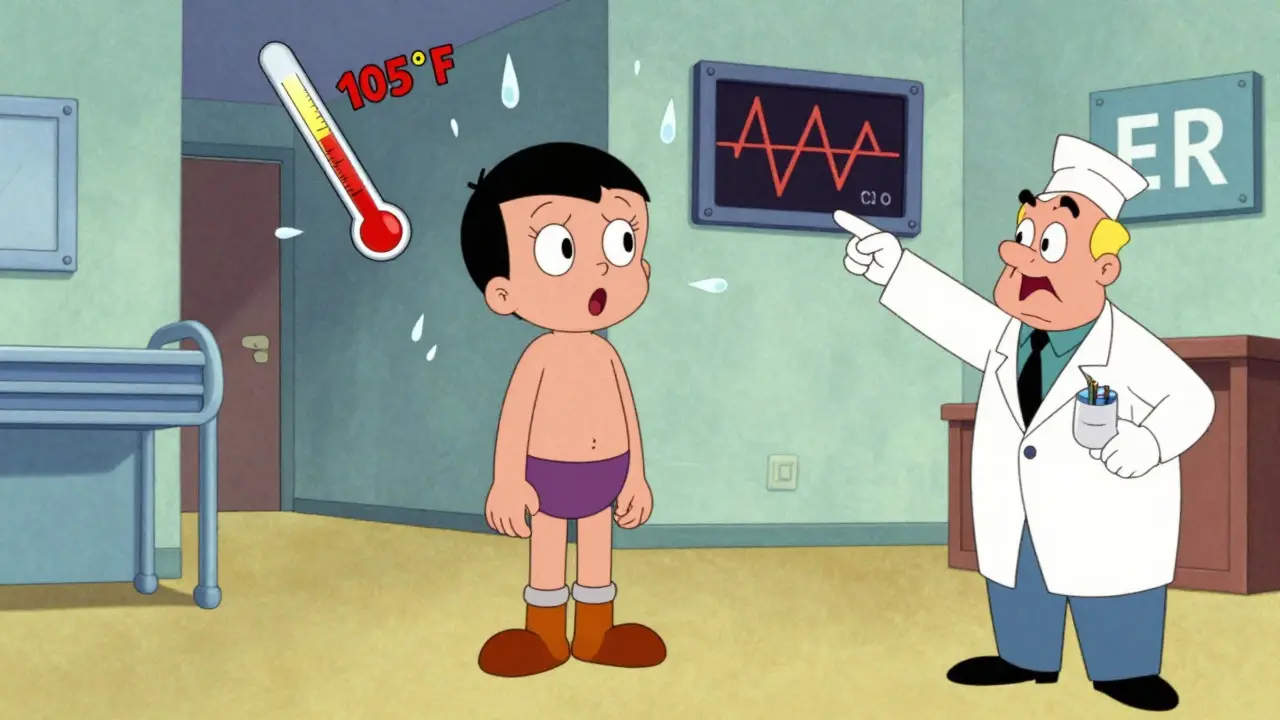
Neuroleptic Malignant Syndrome is a rare but deadly reaction to antipsychotics and other dopamine-blocking drugs. Learn the warning signs, how it's diagnosed, treated, and why early action saves lives.
Category: Medications - Page 4
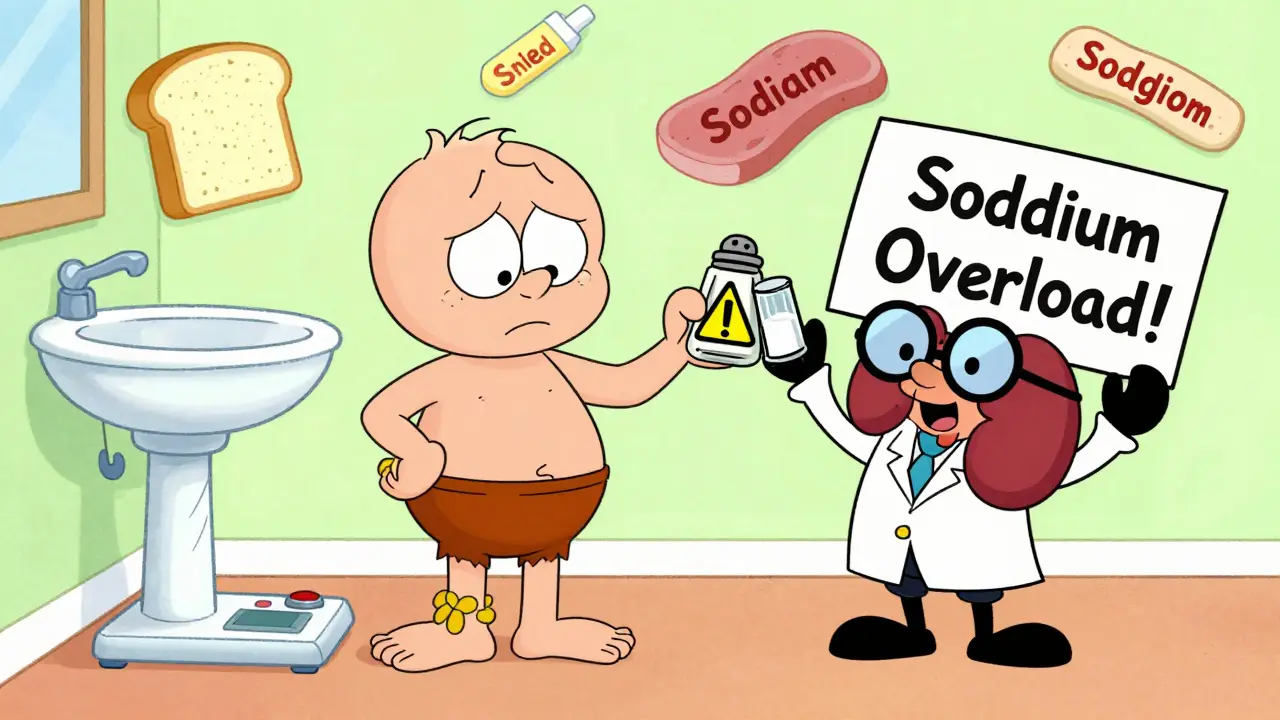
Edema in chronic kidney disease is caused by fluid buildup due to impaired kidney function. Learn how diuretics, strict salt restriction, and compression therapy work together to manage swelling safely and effectively.
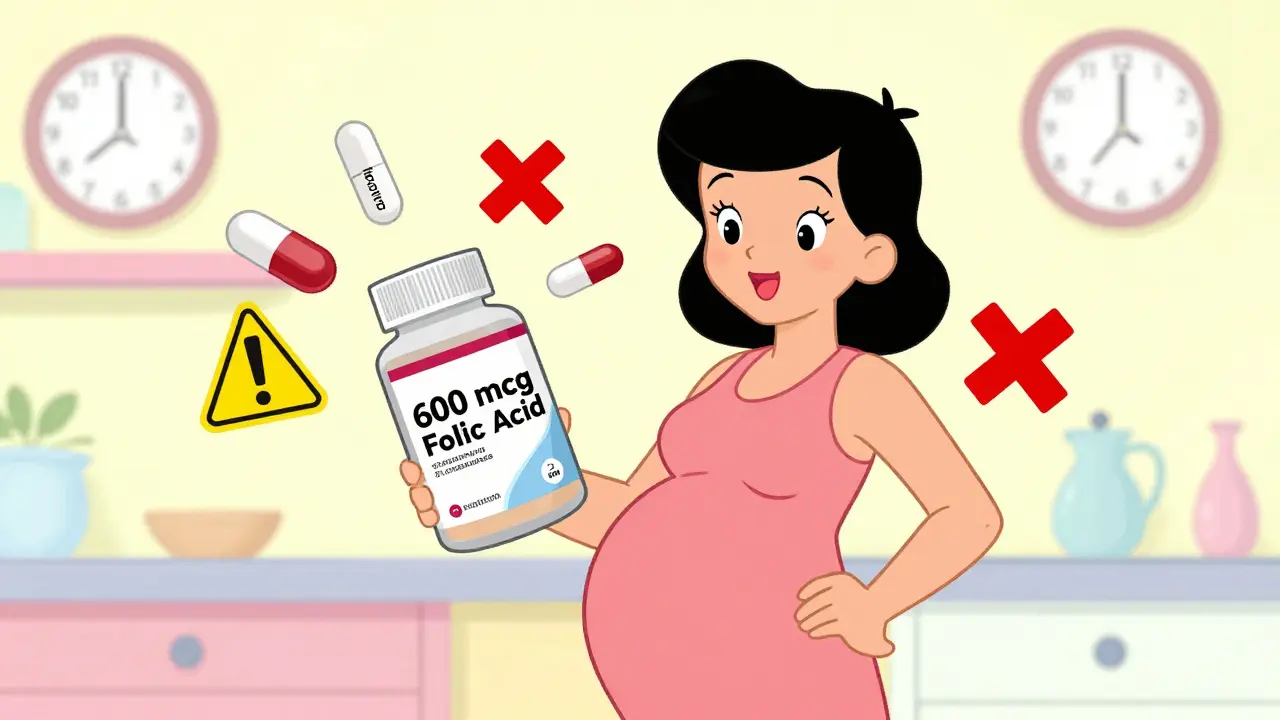
Folic acid is essential during pregnancy to prevent neural tube defects, but it can interact dangerously with common medications like anticonvulsants and sulfasalazine. Learn what to take, what to avoid, and how to stay safe.
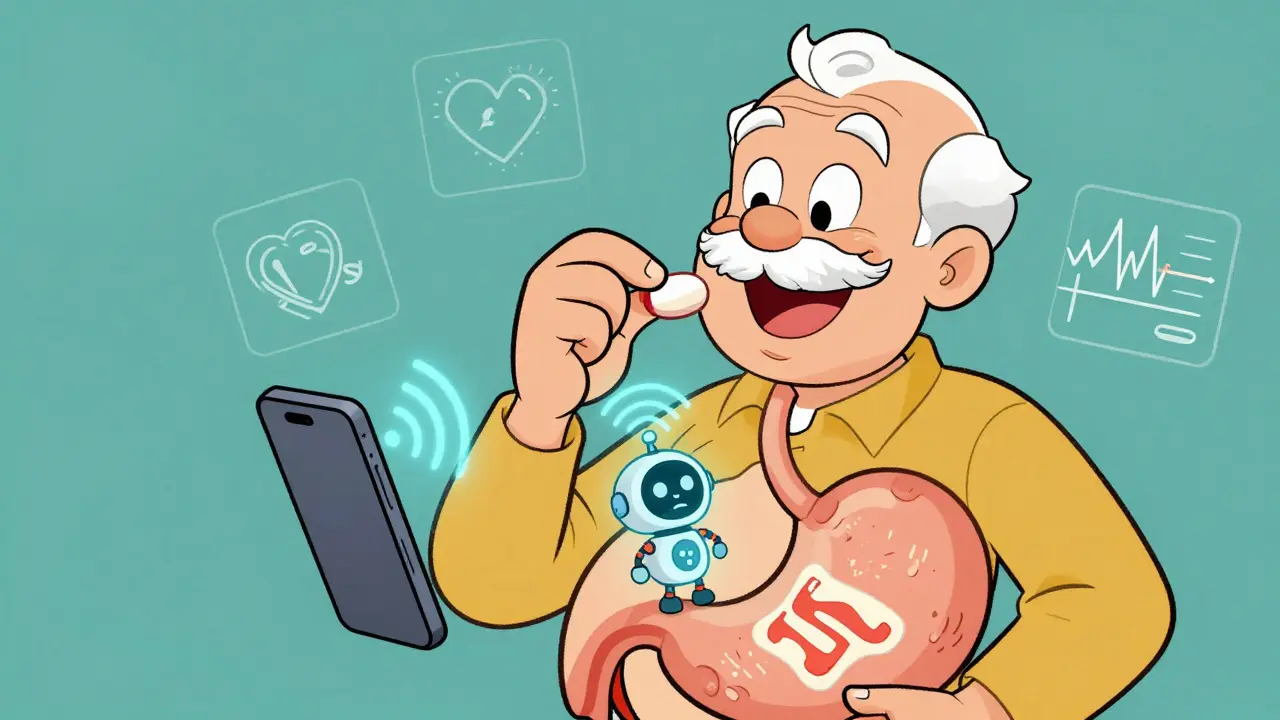
Digital pill sensors track medication intake and detect physiological changes to improve adherence and catch side effects early. Used in mental health, HIV, and TB treatment, they offer real-time data but raise privacy and cost concerns.

Grandparents are often the source of pediatric medication poisonings. Learn how to safely store medicines, talk to kids about them, and use simple tools like lockboxes to protect grandchildren-all backed by CDC and NIH research.
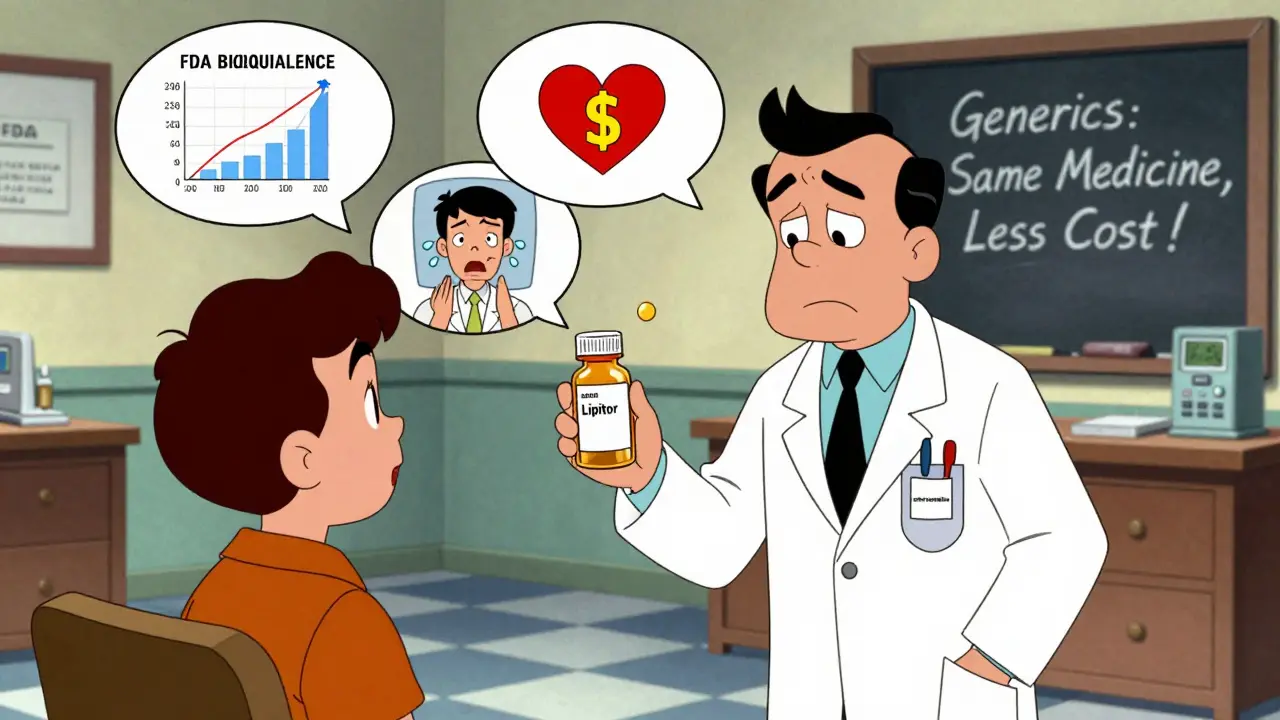
Despite generics making up 90% of prescriptions, many doctors still doubt their effectiveness. This article explores why providers hesitate, what shapes their attitudes, and how better education and communication can close the gap.
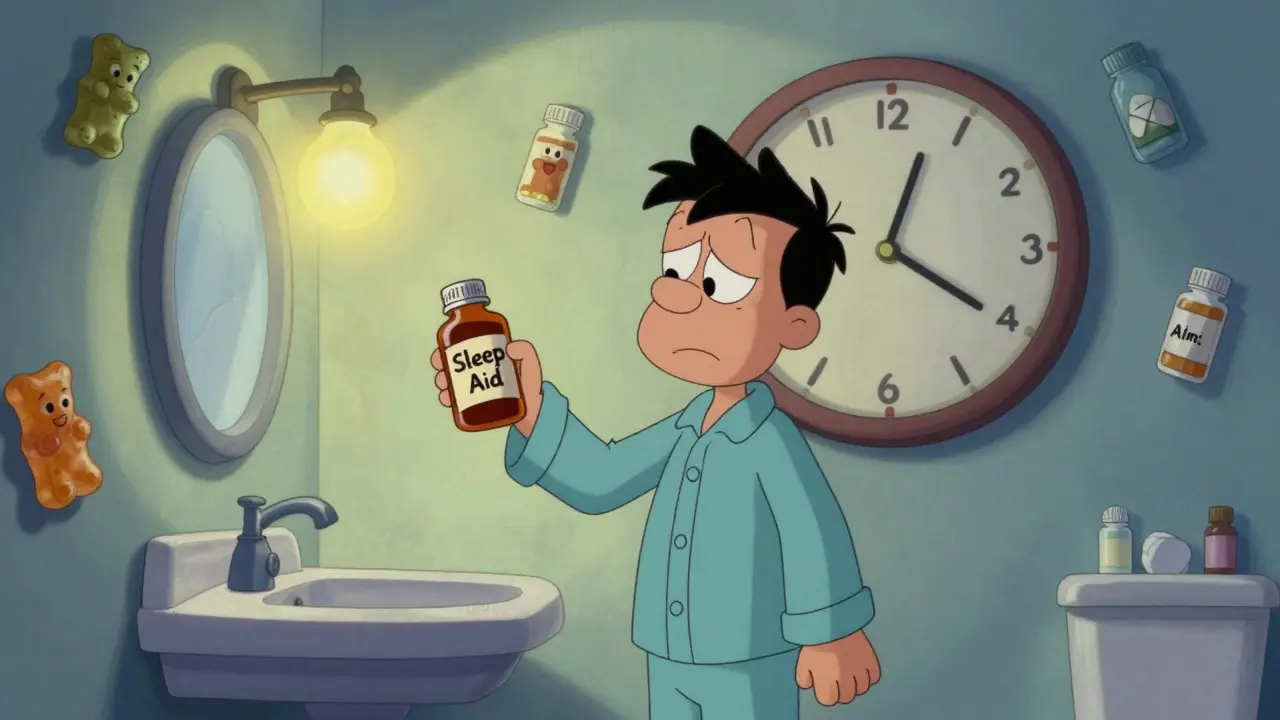
OTC sleep aids like diphenhydramine and melatonin offer only minor sleep benefits but carry real risks including dementia, falls, and rebound insomnia. Learn how to use them safely - and what actually works better.
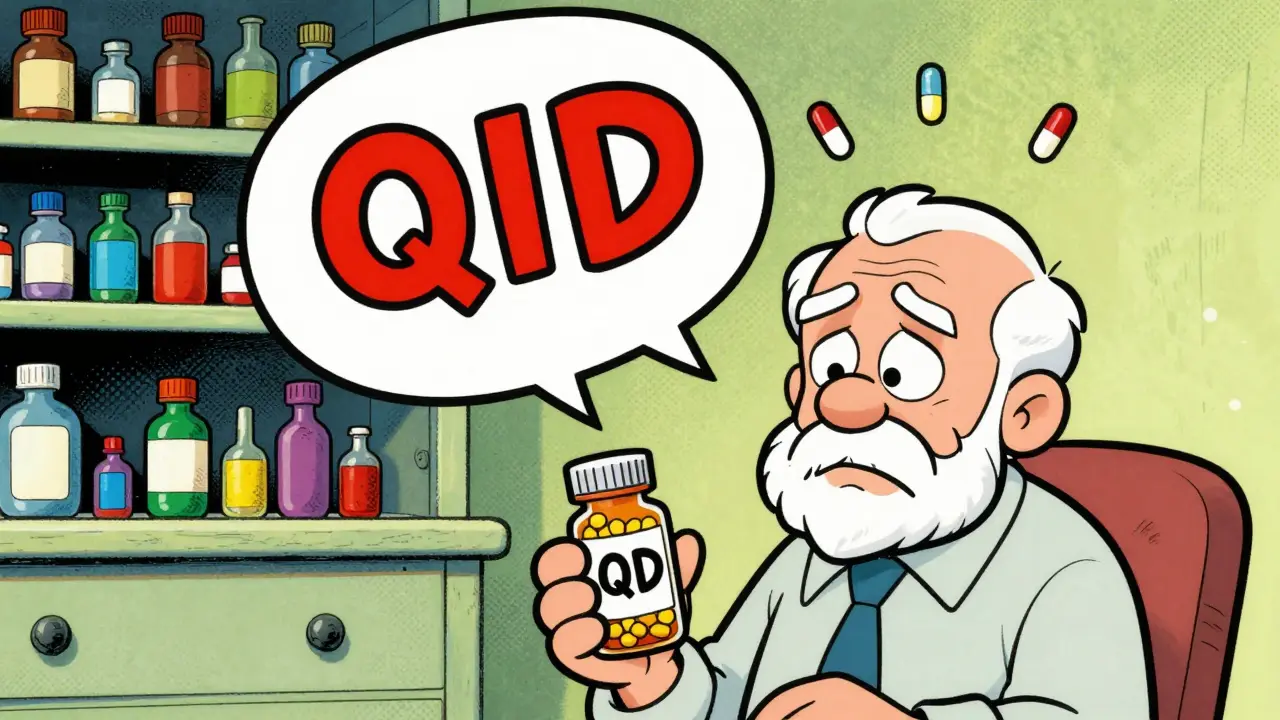
QD and QID are dangerous prescription abbreviations that cause deadly dosing errors. Learn how misreading 'once daily' as 'four times daily' leads to overdoses, who's most at risk, and how to prevent it.
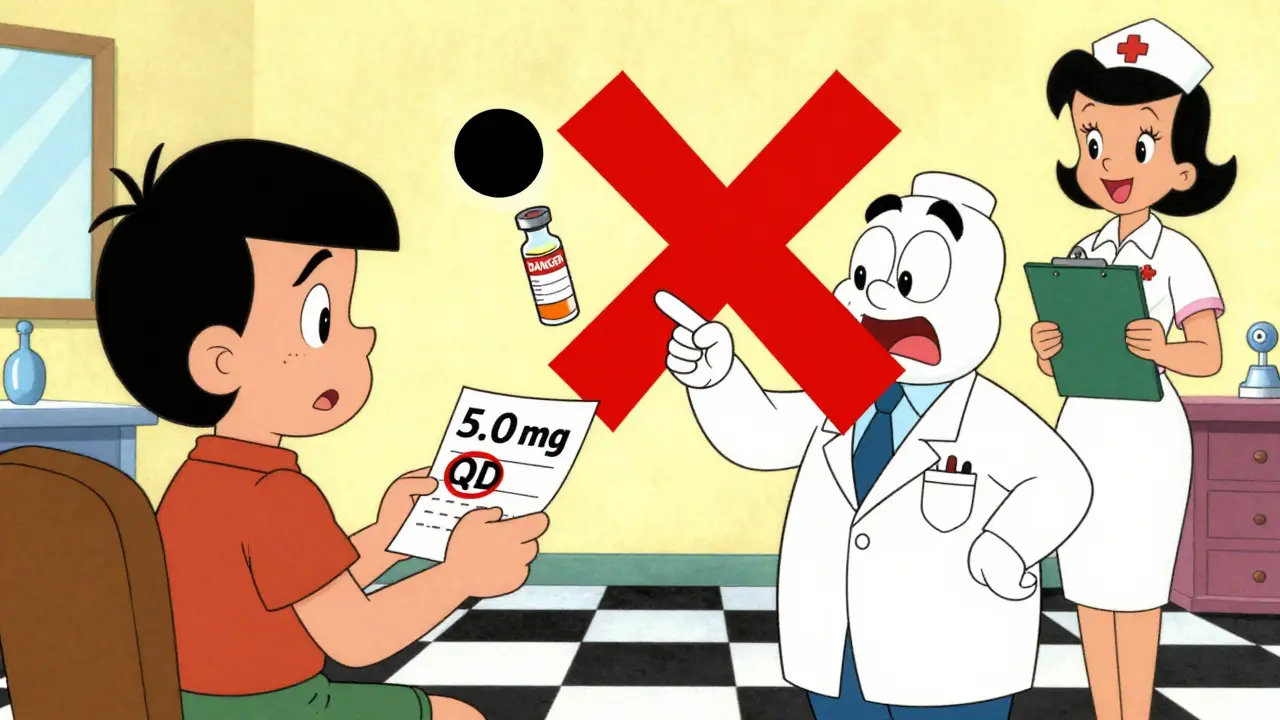
Prescription errors harm millions each year-but you can catch them before they hurt you. Learn the 7-checklist method, dangerous abbreviations to watch for, and how to use simple questions to protect yourself.
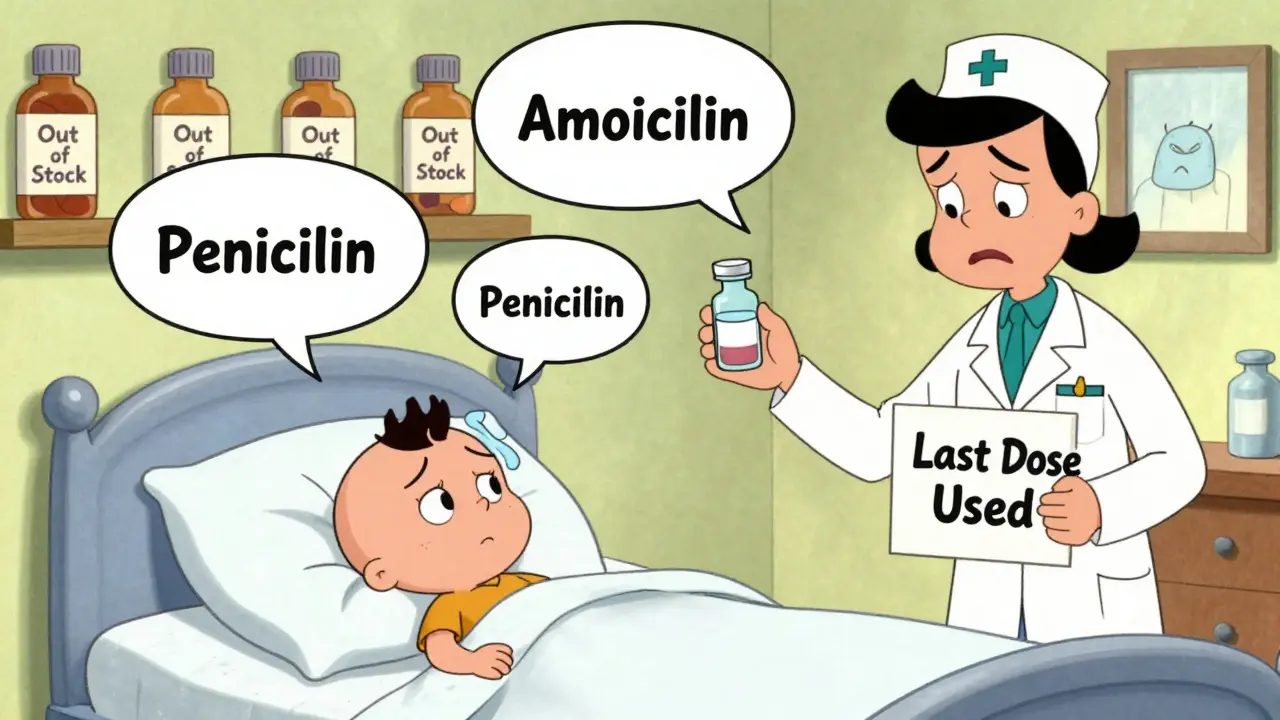
Antibiotic shortages are making common infections harder to treat, pushing doctors to use toxic last-resort drugs and fueling deadly resistance. Global supply chains are breaking down, and without urgent action, treatable infections could become fatal again.