

Americans pay over three times more for prescription drugs than people in other wealthy countries. This article explains why - from broken laws and powerful middlemen to specialty drug markups and failed reforms.
Archive: 2026/01
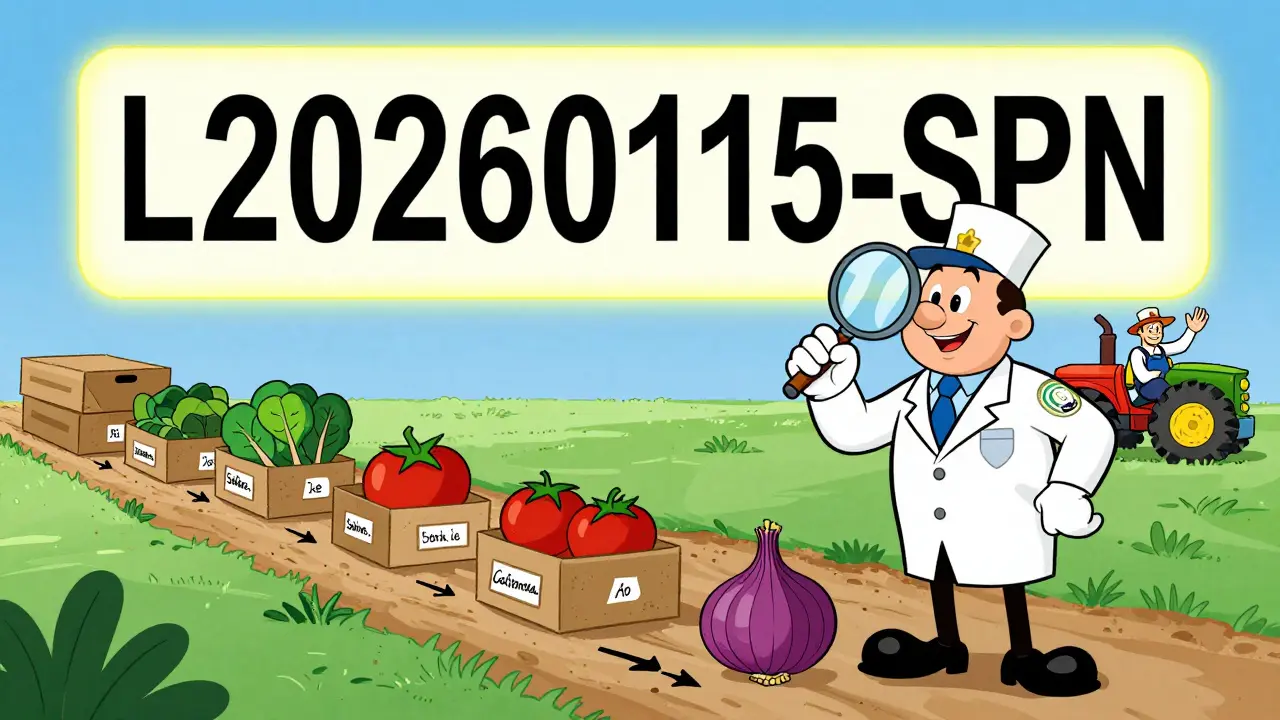
The FDA uses Traceability Lot Codes to quickly track contaminated food batches, cutting outbreak response time from weeks to hours. Learn how the system works, who must comply, and why it’s changing food safety forever.
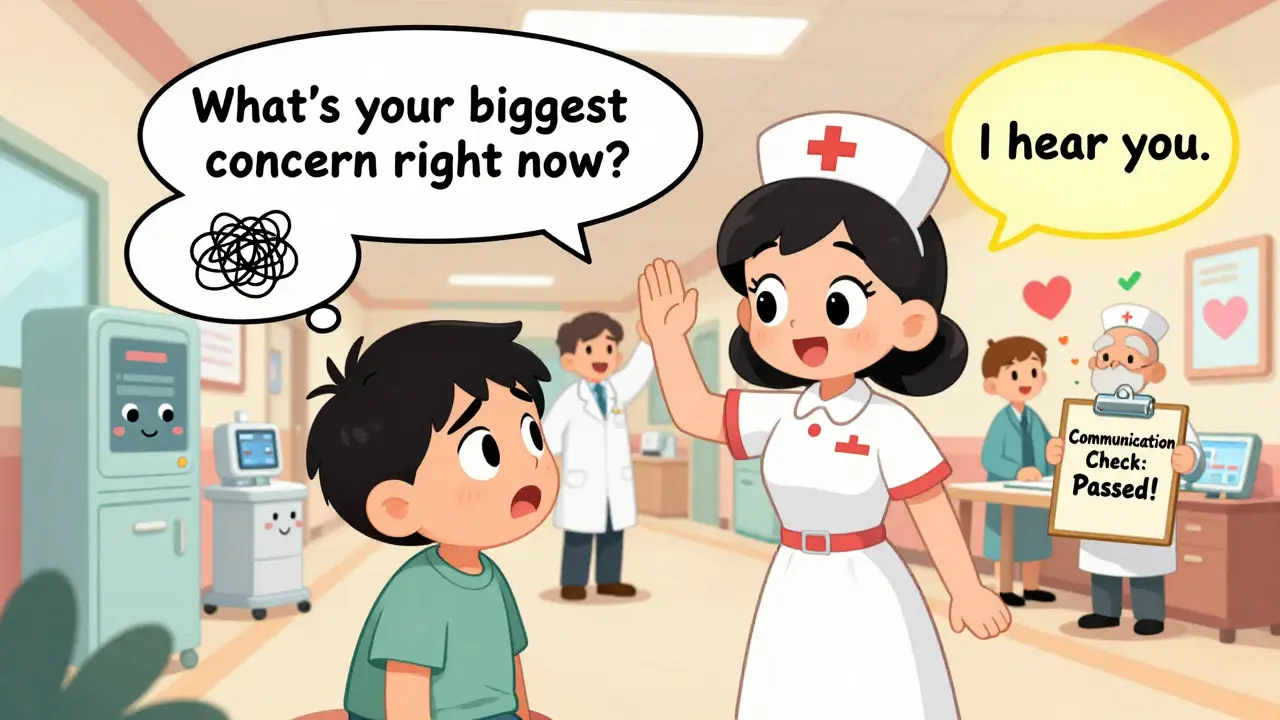
Institutional healthcare communication programs train staff to improve patient understanding, reduce errors, and boost satisfaction. Learn how evidence-based training is changing outcomes across hospitals and clinics.

CGMs, smart pens, and diabetes apps are transforming how people manage diabetes in 2026. Learn how real-time glucose tracking, implantable sensors, and connected tools help reduce highs, lows, and complications-without constant fingersticks.

Ceramides restore the skin barrier in eczema by replacing missing lipids in the correct ratio. Combined with proper bathing, they reduce itching, flares, and steroid use over time. Learn how to choose the right products and use them effectively.
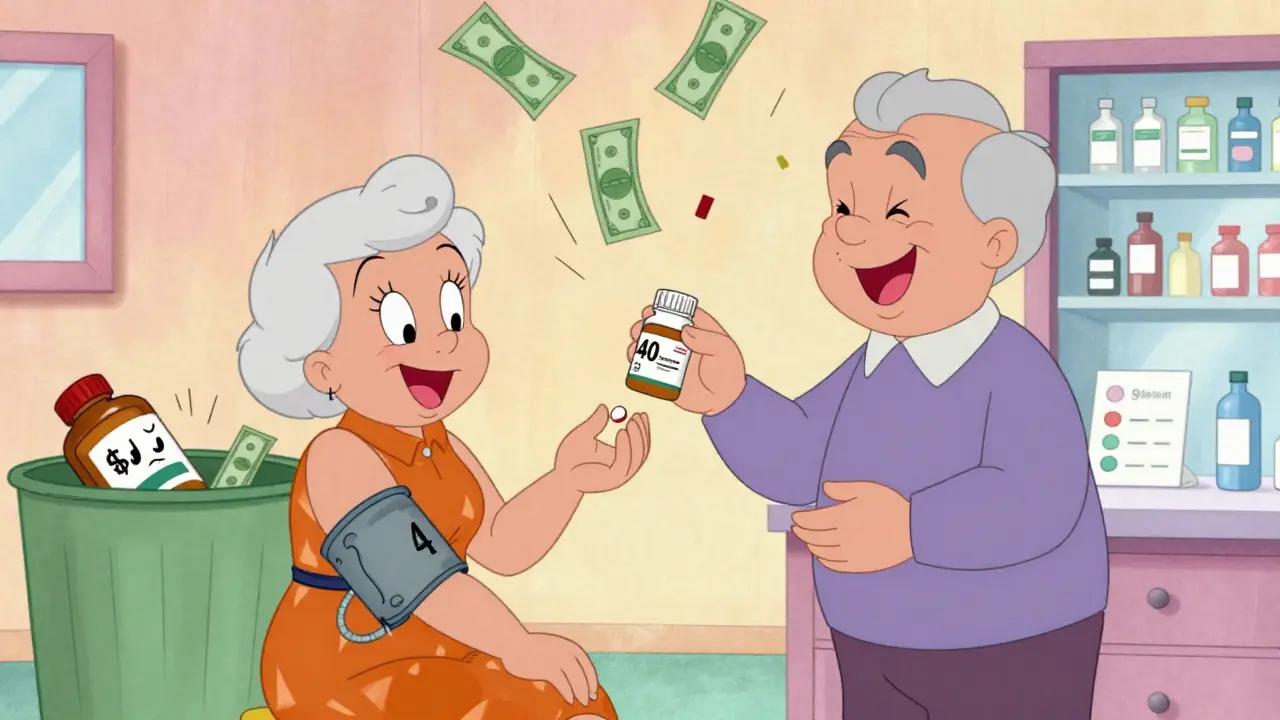
Generic medications save money and improve health outcomes when used wisely. Learn how health economics proves their real value beyond just lower prices.

In the U.S., only certain biosimilars can be swapped automatically at the pharmacy. Learn how interchangeability works, why it matters for costs and access, and how state laws make it confusing for patients and pharmacists alike.

Alpha-glucosidase inhibitors like acarbose help control blood sugar after meals but often cause gas, bloating, and diarrhea. Learn how to manage these side effects with dosing tips, diet changes, and what to do when it's too much.
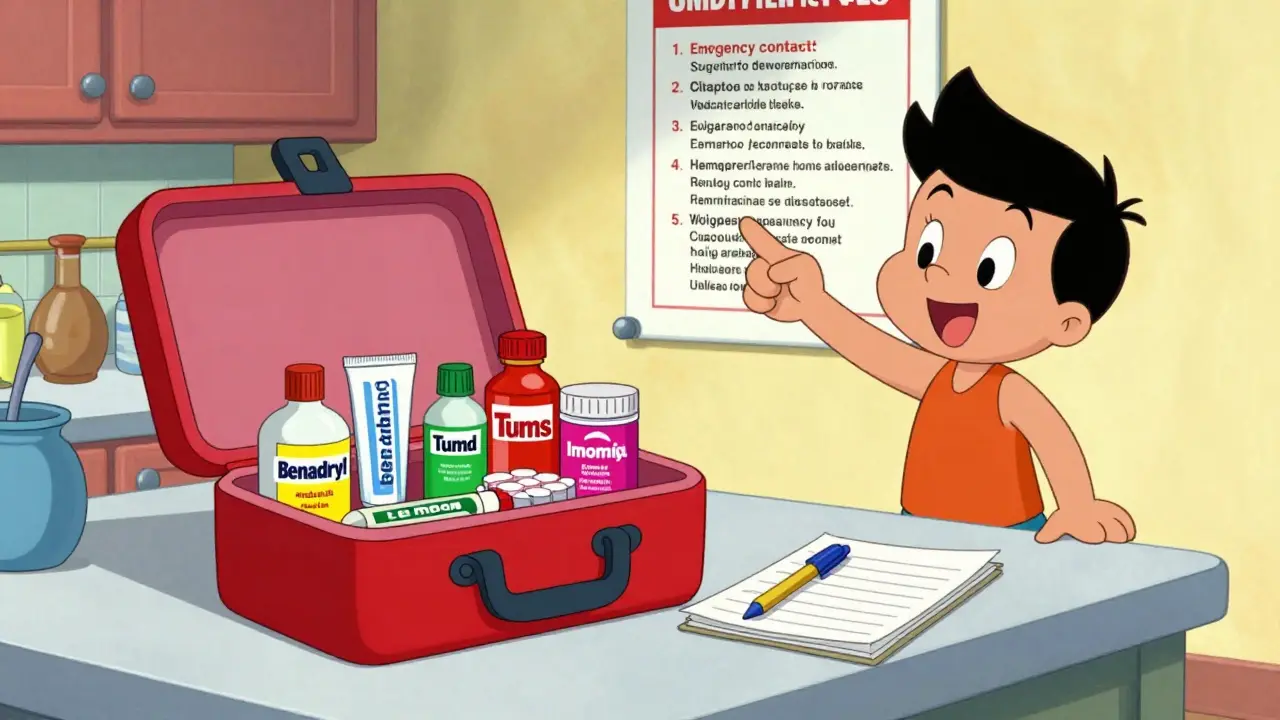
Build a home emergency kit for medication side effects with essential supplies like antihistamines, hydrocortisone cream, antacids, and emergency contacts. Learn what to include, what to avoid, and how to maintain it for safety.
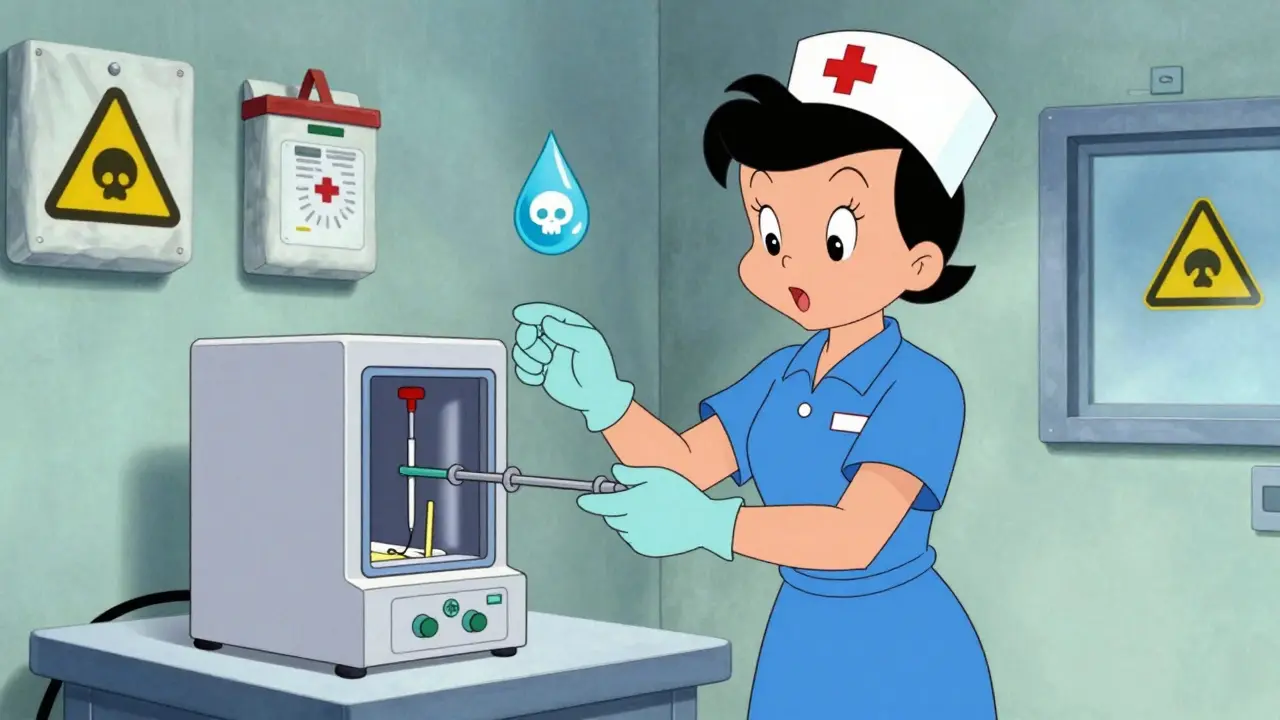
Learn the latest safety protocols for handling and administering chemotherapy drugs, including PPE requirements, verification steps, home care risks, and how to prevent exposure for patients and healthcare workers.