
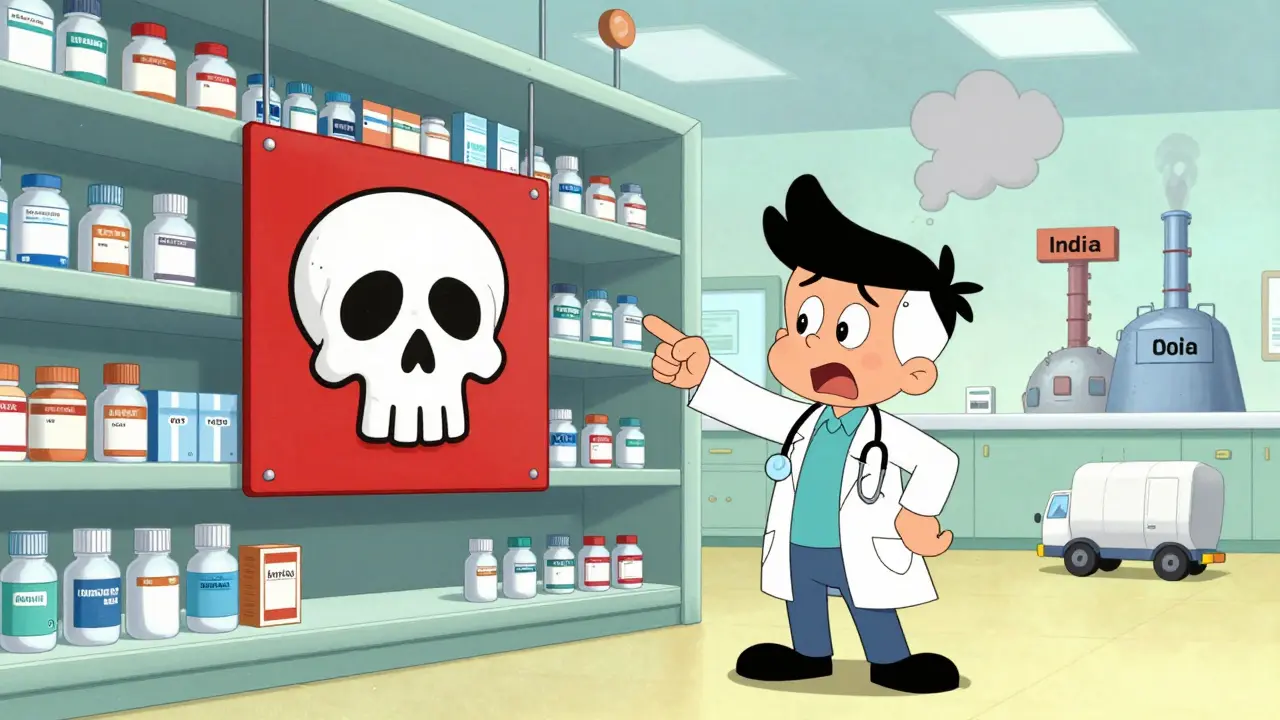
Drug shortages are rising because supply chains prioritize cost over safety. Real resilience means diversifying suppliers, stockpiling critical drugs, using AI for prediction, and aligning payment systems with safety-not just savings.
Author: Benedict Larcombe - Page 2
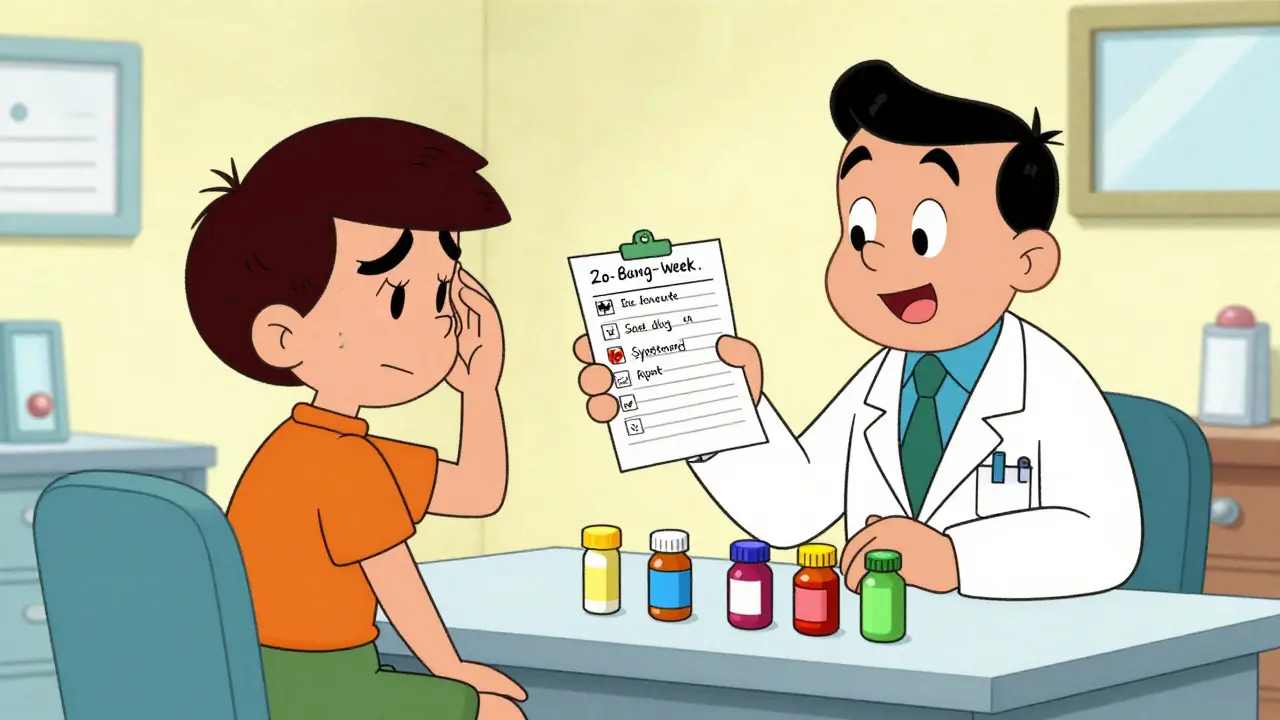
If a medication isn't working, you have the right to ask for alternatives. Learn how to prepare for the conversation, what questions to ask, and how to explore non-drug options that could work better with fewer side effects.
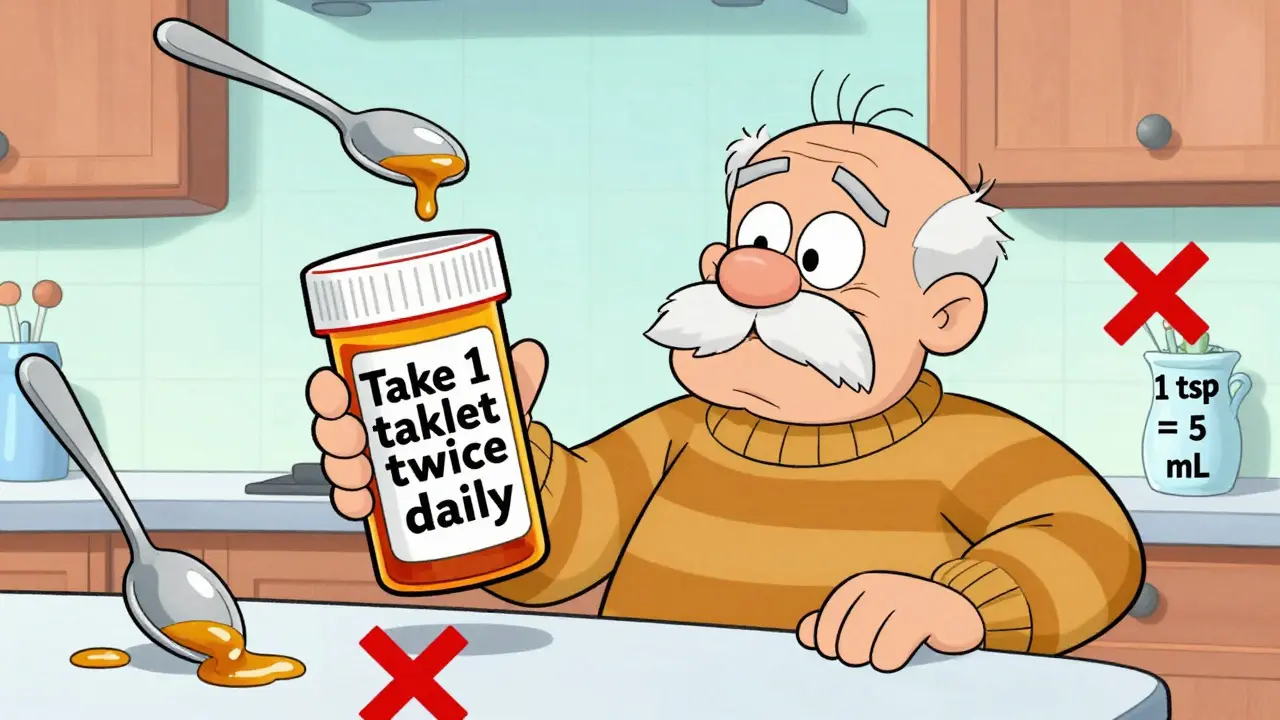
Learn how to read medication labels correctly to avoid dangerous mistakes. Understand dosage, directions, warnings, and liquid measurements for safe use of both prescription and over-the-counter drugs.

Americans pay over three times more for prescription drugs than people in other wealthy countries. This article explains why - from broken laws and powerful middlemen to specialty drug markups and failed reforms.

Ceramides restore the skin barrier in eczema by replacing missing lipids in the correct ratio. Combined with proper bathing, they reduce itching, flares, and steroid use over time. Learn how to choose the right products and use them effectively.

Generic medications save money and improve health outcomes when used wisely. Learn how health economics proves their real value beyond just lower prices.

In the U.S., only certain biosimilars can be swapped automatically at the pharmacy. Learn how interchangeability works, why it matters for costs and access, and how state laws make it confusing for patients and pharmacists alike.
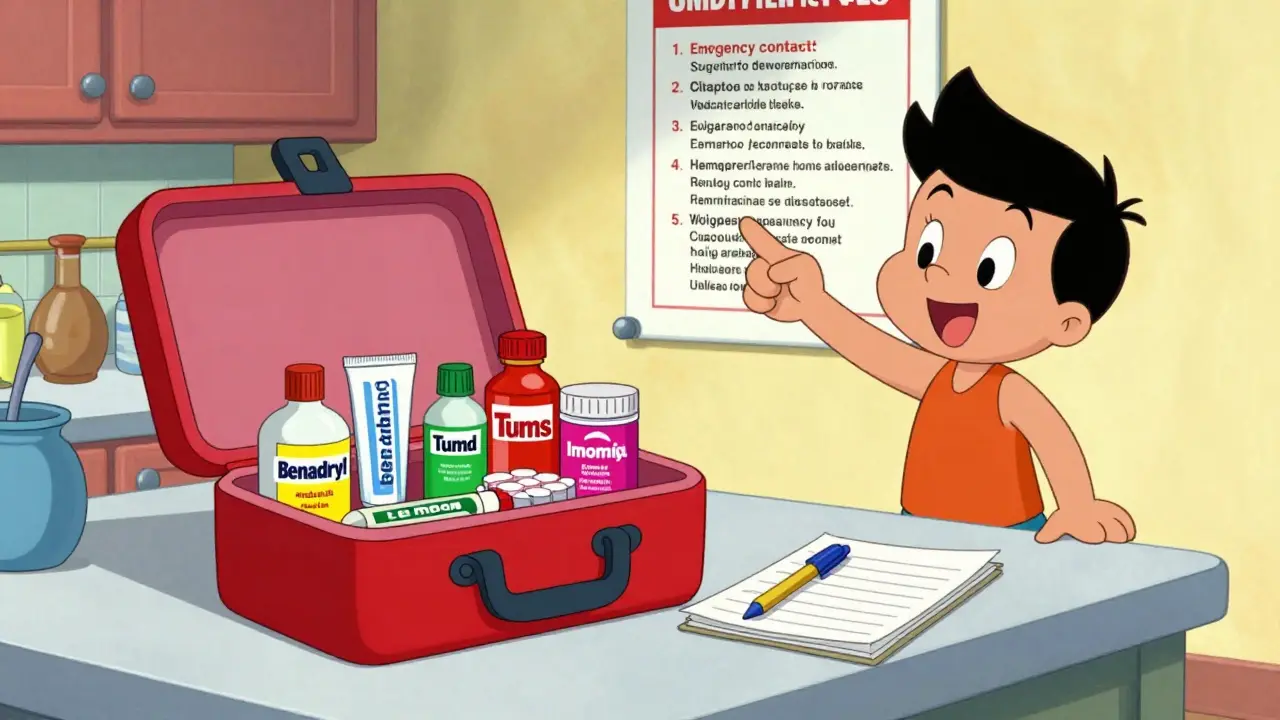
Build a home emergency kit for medication side effects with essential supplies like antihistamines, hydrocortisone cream, antacids, and emergency contacts. Learn what to include, what to avoid, and how to maintain it for safety.
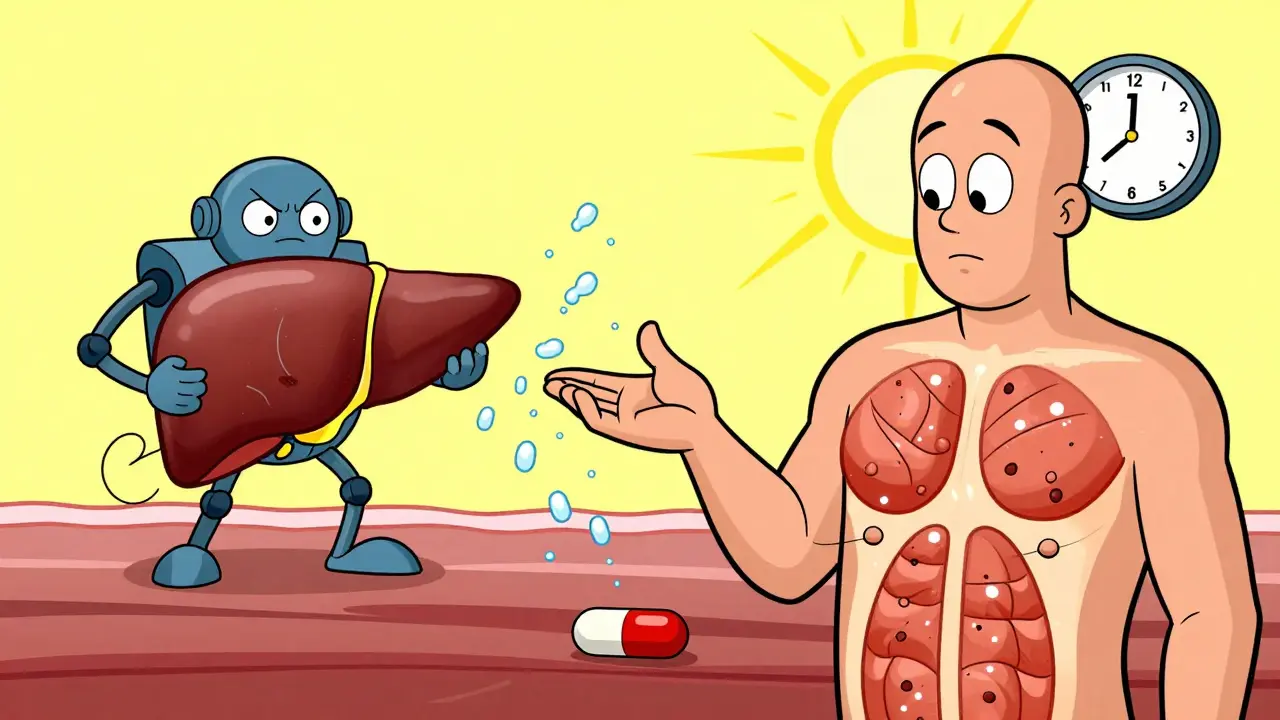
Corticosteroid-induced hyperglycemia is a common and dangerous side effect of steroid therapy. Learn how it works, who's at risk, how to monitor blood sugar effectively, and why insulin is often the best treatment-even for people without prior diabetes.
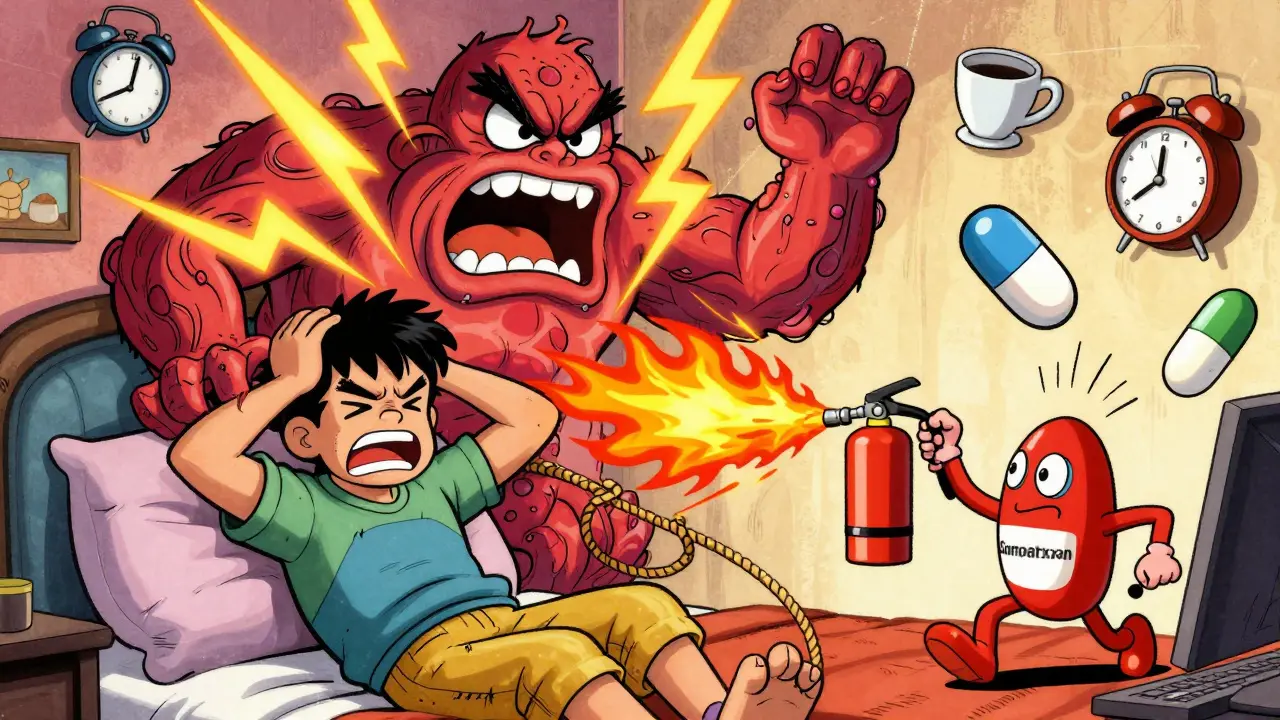
Generic migraine combination medications like sumatriptan/naproxen and acetaminophen/aspirin/caffeine offer proven, affordable relief for moderate to severe migraines. Learn how they work, which ones are best, and how to use them safely.