
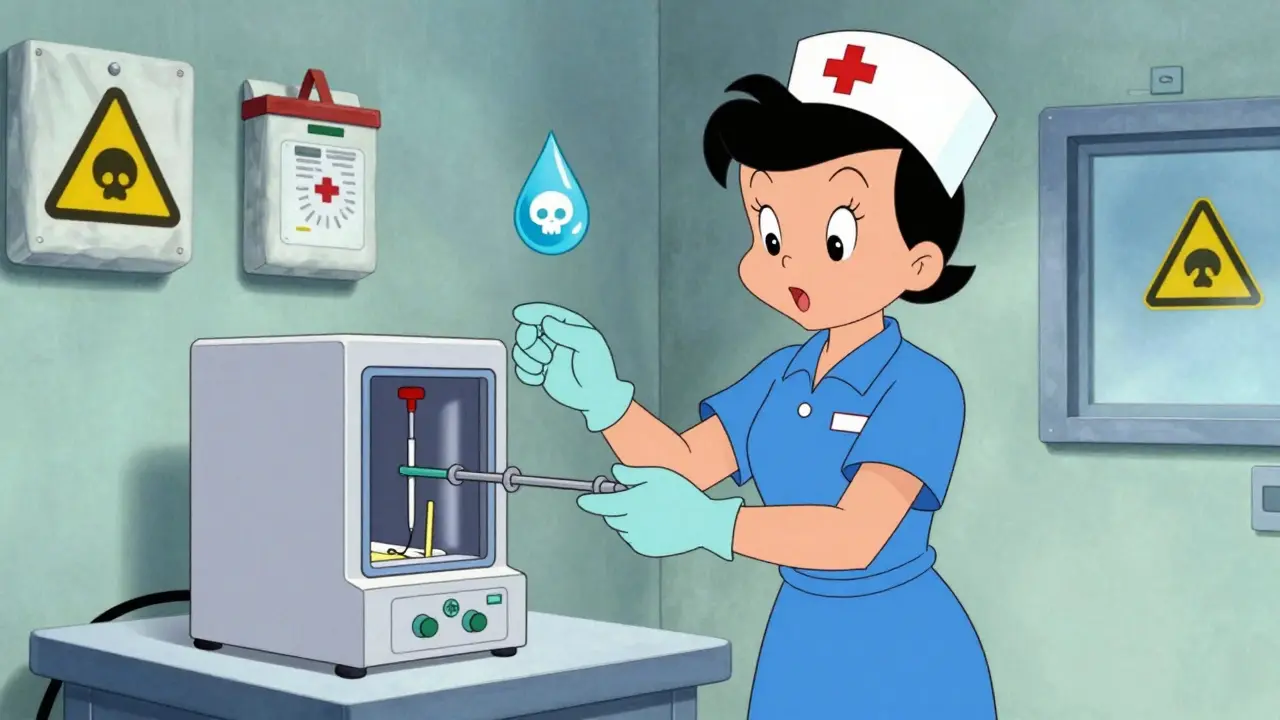
Learn the latest safety protocols for handling and administering chemotherapy drugs, including PPE requirements, verification steps, home care risks, and how to prevent exposure for patients and healthcare workers.
Category: Medications - Page 3
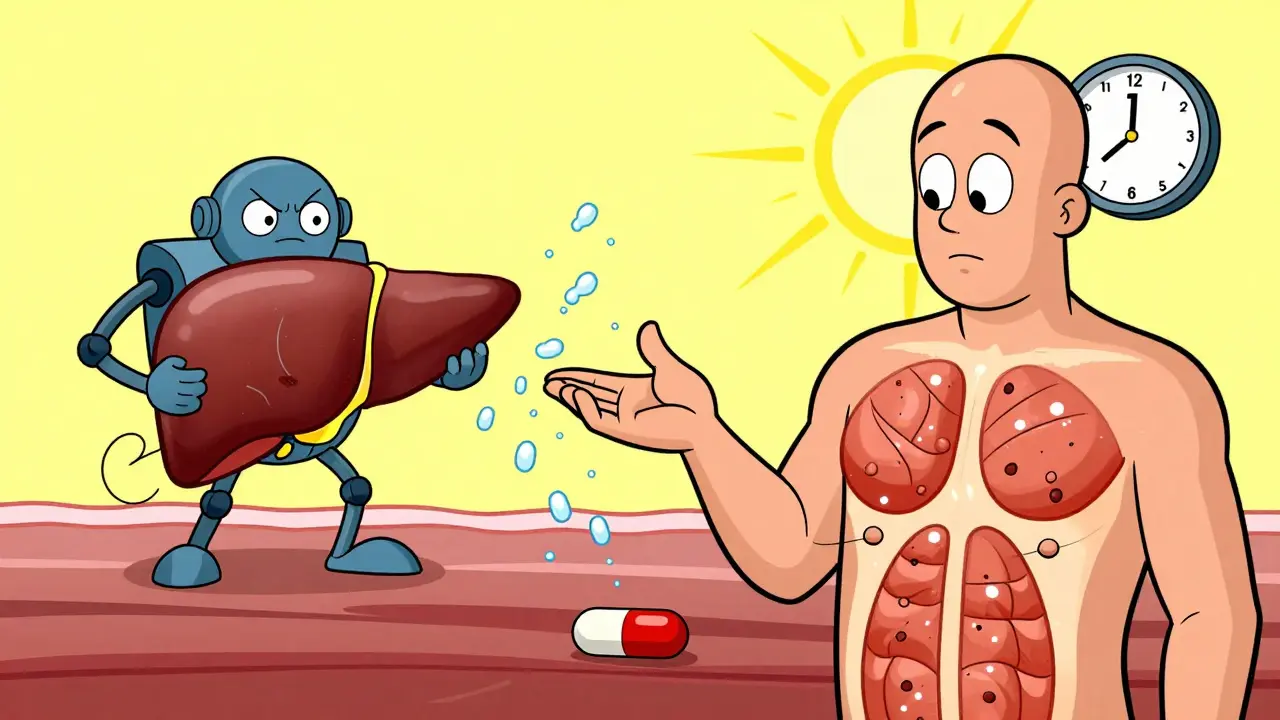
Corticosteroid-induced hyperglycemia is a common and dangerous side effect of steroid therapy. Learn how it works, who's at risk, how to monitor blood sugar effectively, and why insulin is often the best treatment-even for people without prior diabetes.
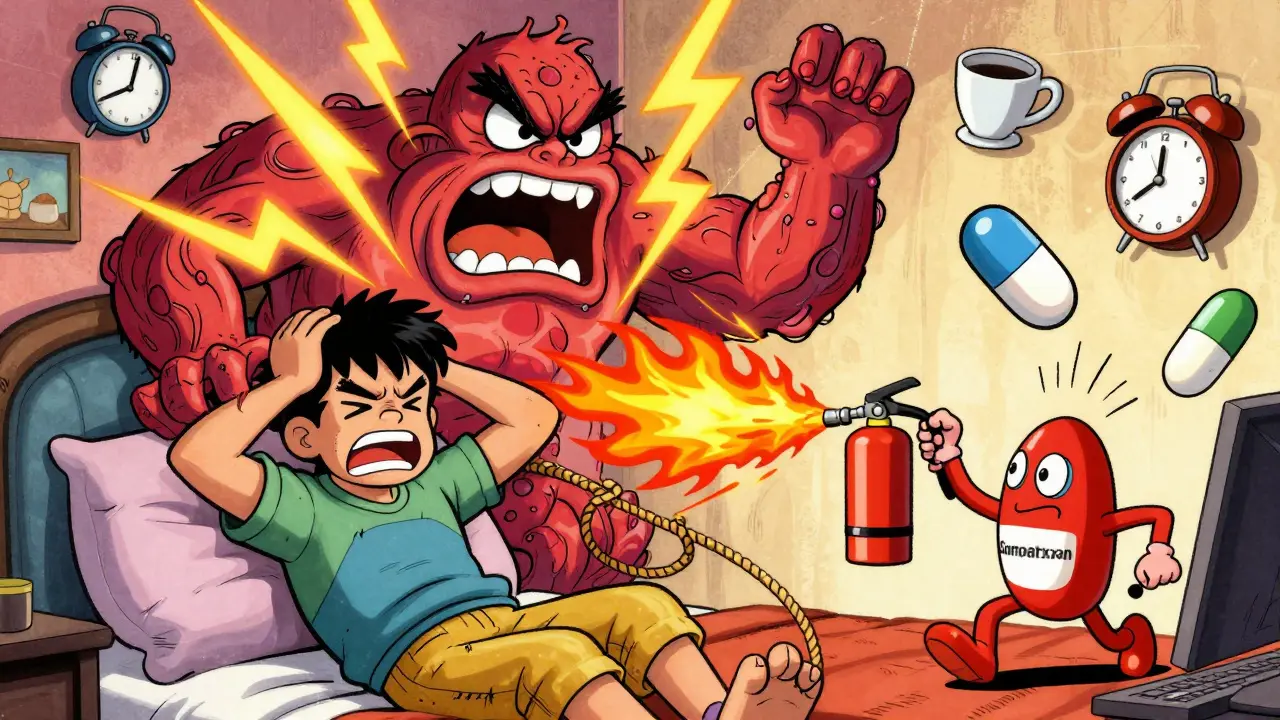
Generic migraine combination medications like sumatriptan/naproxen and acetaminophen/aspirin/caffeine offer proven, affordable relief for moderate to severe migraines. Learn how they work, which ones are best, and how to use them safely.
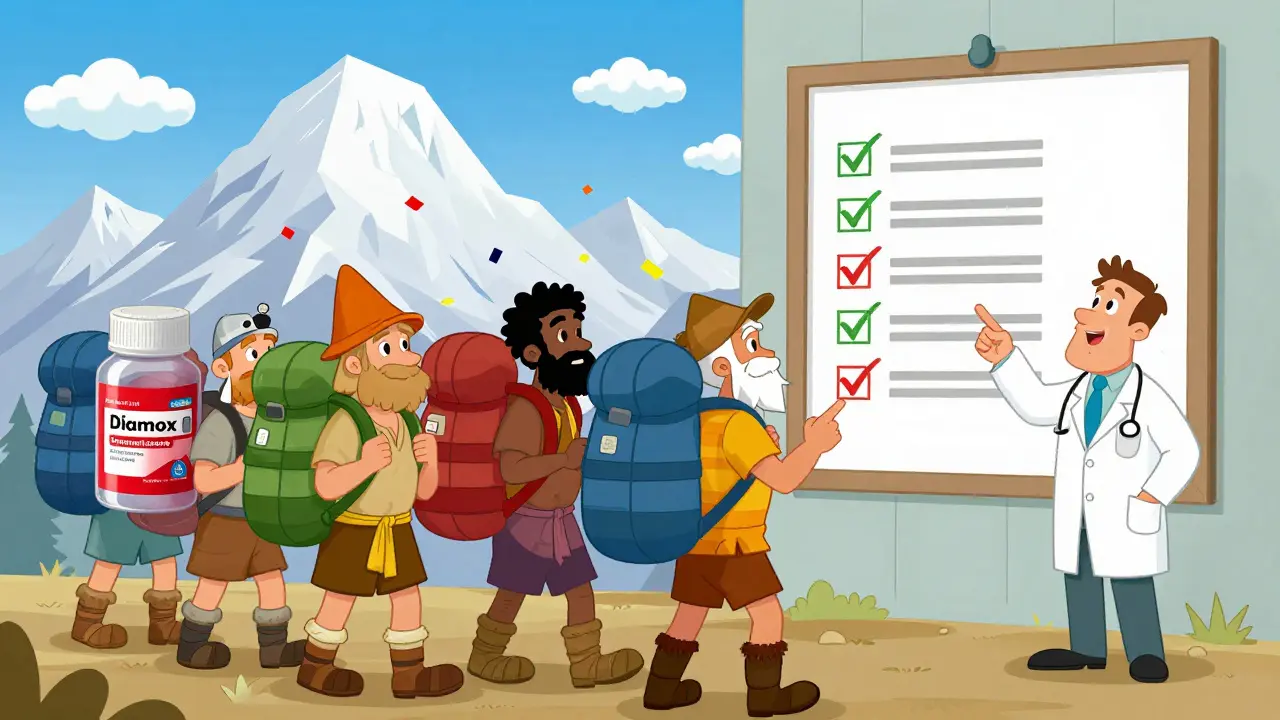
Prepare for high-altitude pilgrimages and treks with the right medications, storage methods, and prevention strategies to avoid altitude sickness and medical emergencies on the trail.
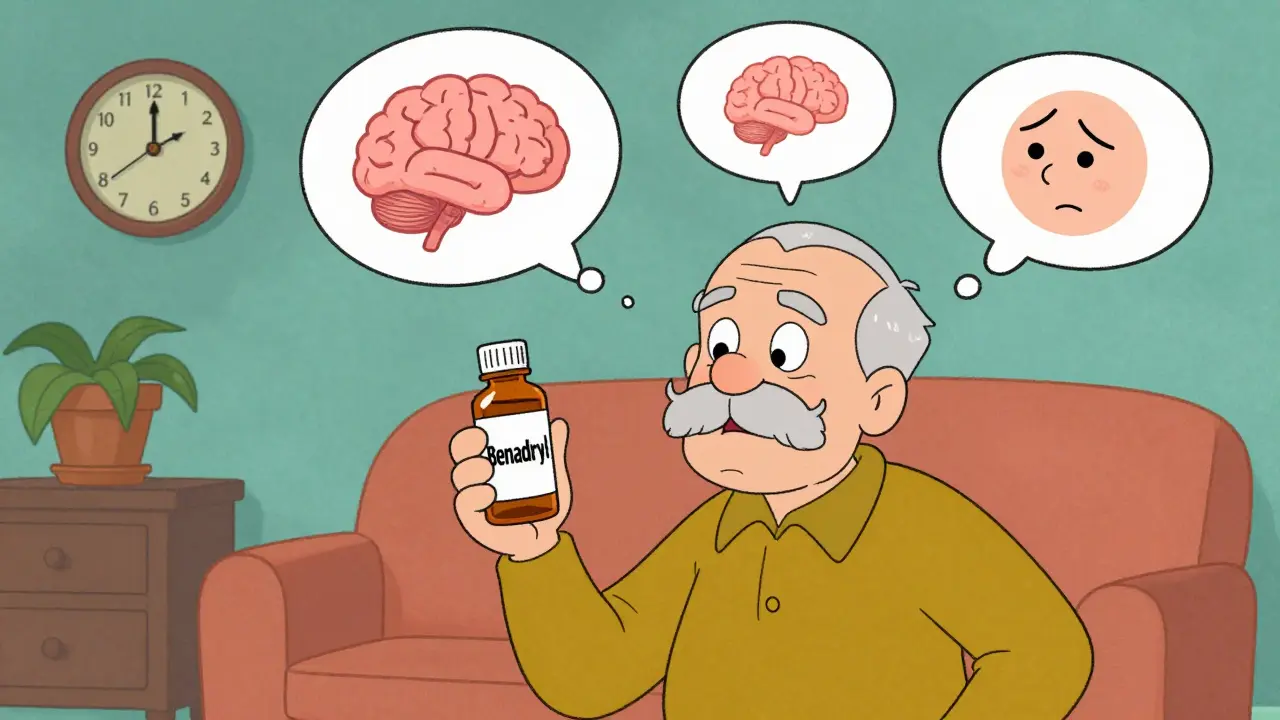
Anticholinergics like oxybutynin and Benadryl can cause memory loss and brain shrinkage in older adults. Dry mouth is common, but the real danger is cognitive decline. Learn which meds to avoid and safer alternatives.

Acetaminophen is the leading cause of liver failure from OTC pain relievers. Learn how to avoid accidental overdose, recognize warning signs, and find safer alternatives for chronic pain without harming your liver.
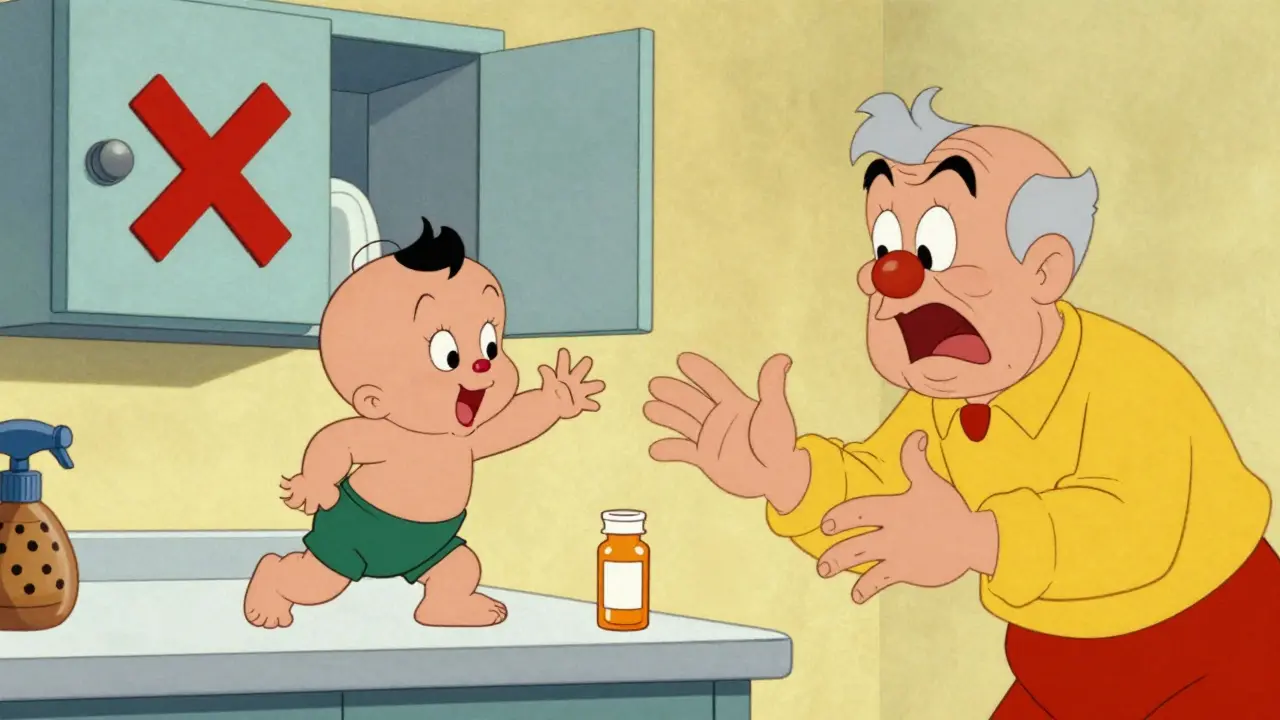
Learn how to build a simple, reliable medication routine at home to prevent accidental poisonings, dosing errors, and drug interactions - especially for kids and seniors. Practical steps backed by CDC and pediatric experts.
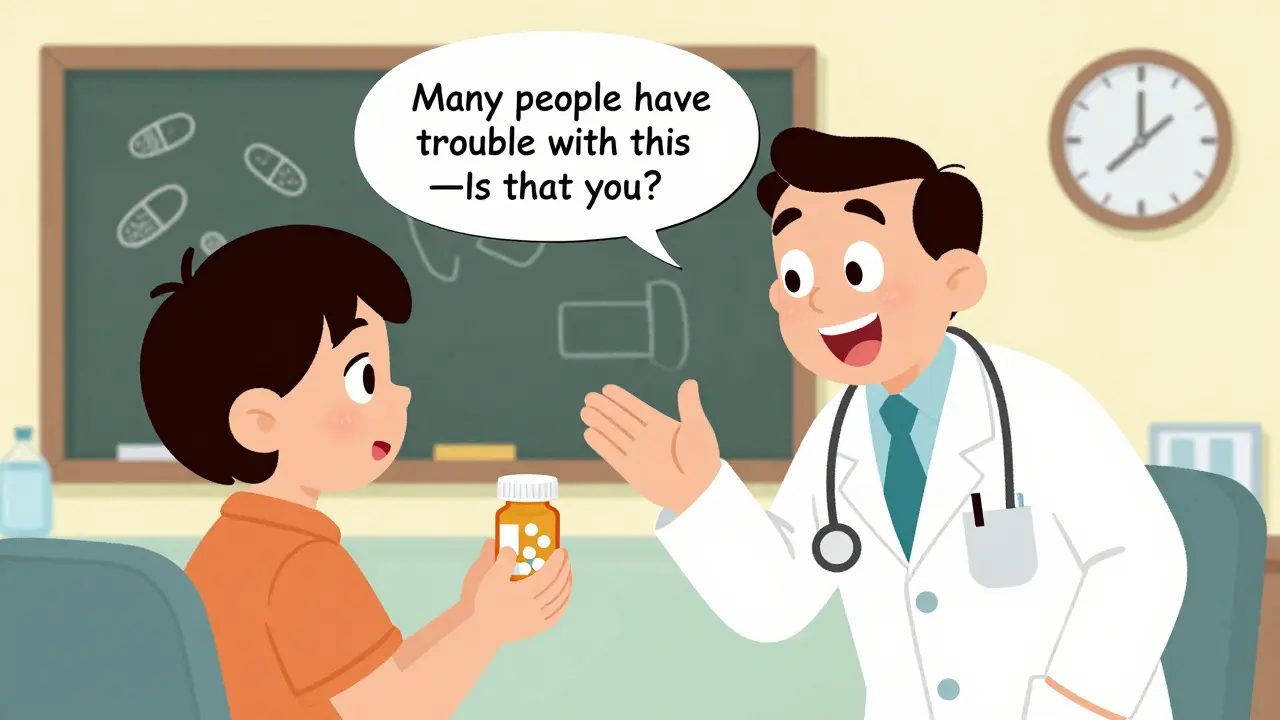
Talking openly with your doctor about taking your meds can save your life. Learn proven ways to discuss adherence, avoid common mistakes, and get the support you need to stay on track.
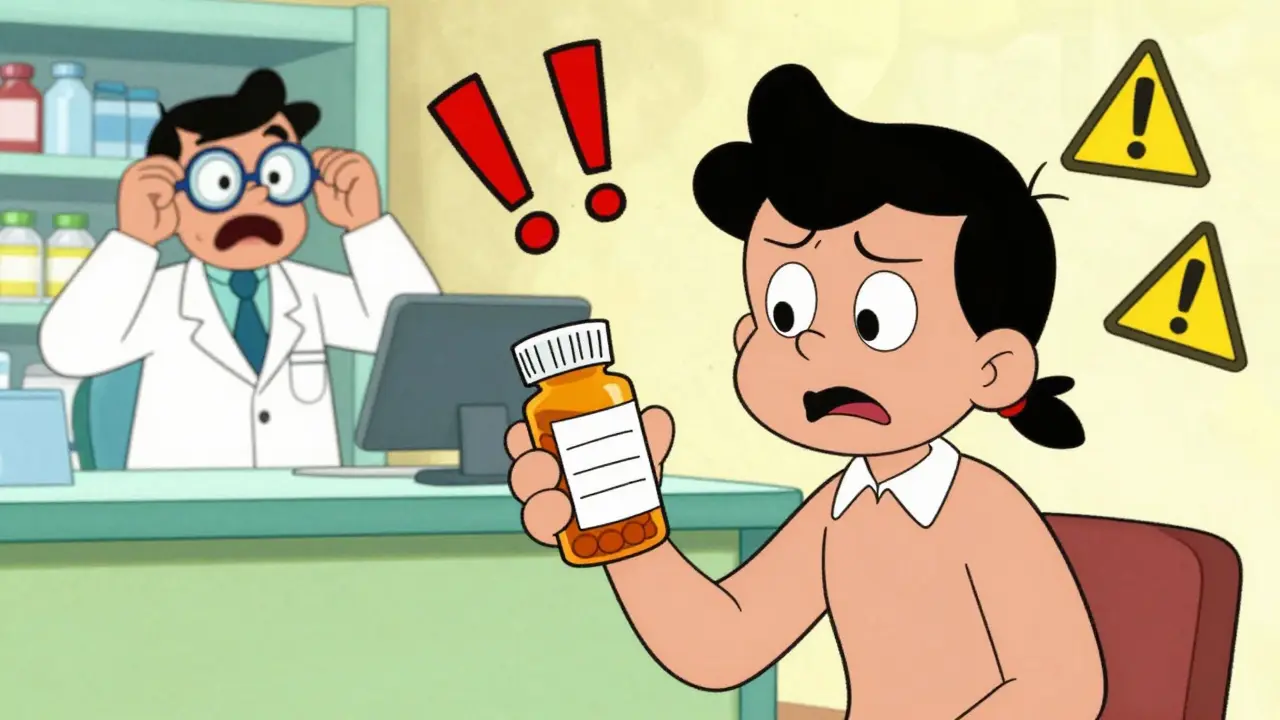
Learn how to recognize, document, and report a medication error to your provider or the FDA. Your report can prevent harm to others and improve patient safety systems.
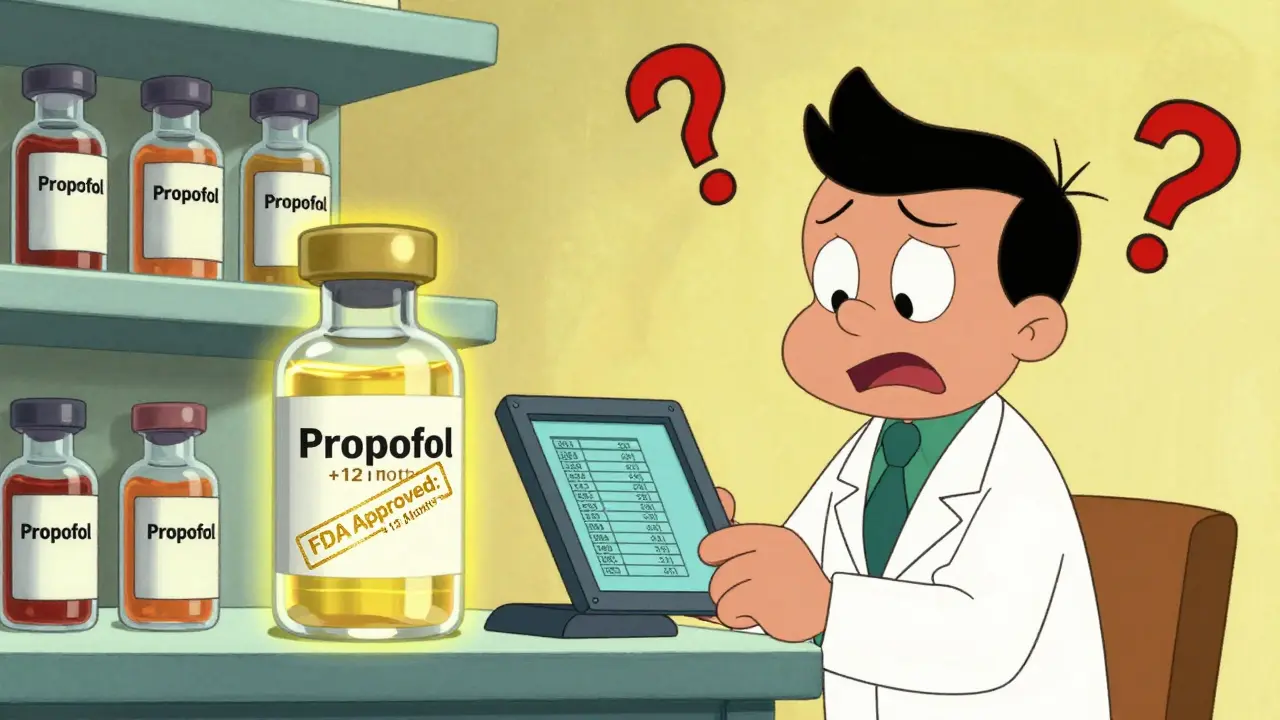
The FDA extends expiration dates for critical drugs during shortages to keep patients supplied with life-saving medications. Learn how it works, which drugs qualify, and what hospitals must do to stay compliant.