
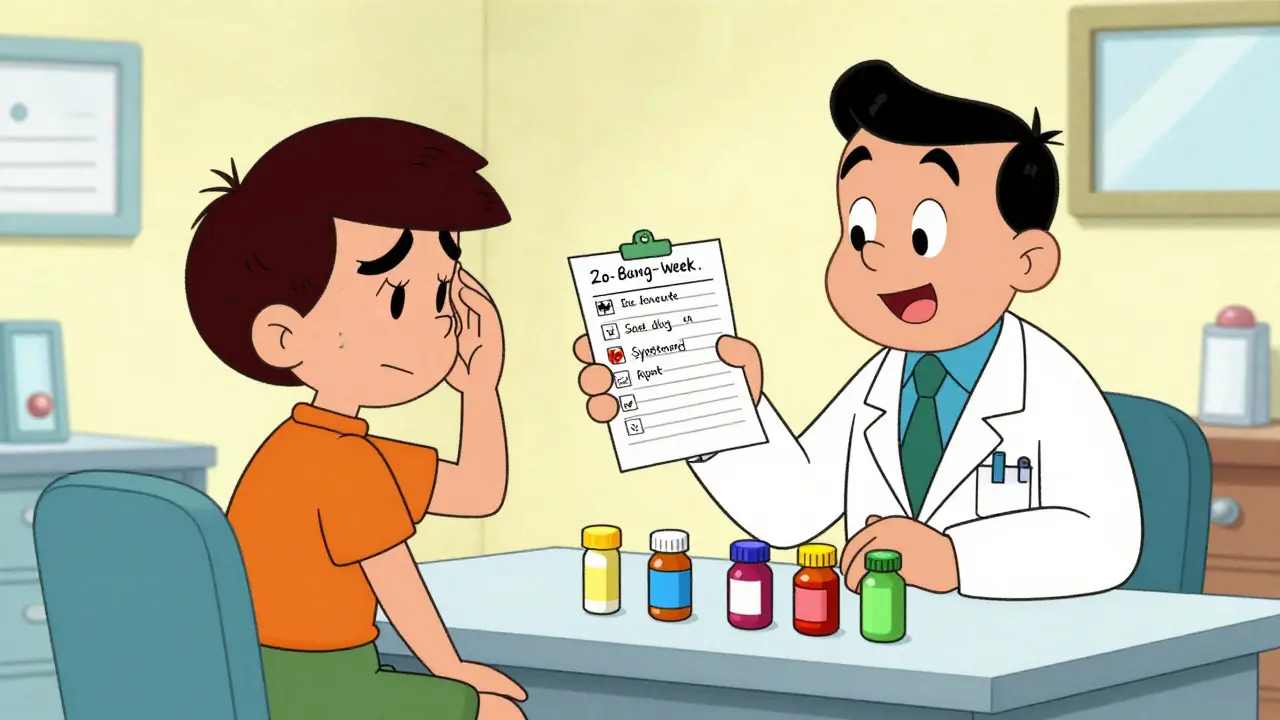
If a medication isn't working, you have the right to ask for alternatives. Learn how to prepare for the conversation, what questions to ask, and how to explore non-drug options that could work better with fewer side effects.
Category: Medications - Page 2

Learn how to spot dangerous changes in expired drugs by checking color, odor, and texture. Discover what signs mean your medication is no longer safe to use-and what to do instead.
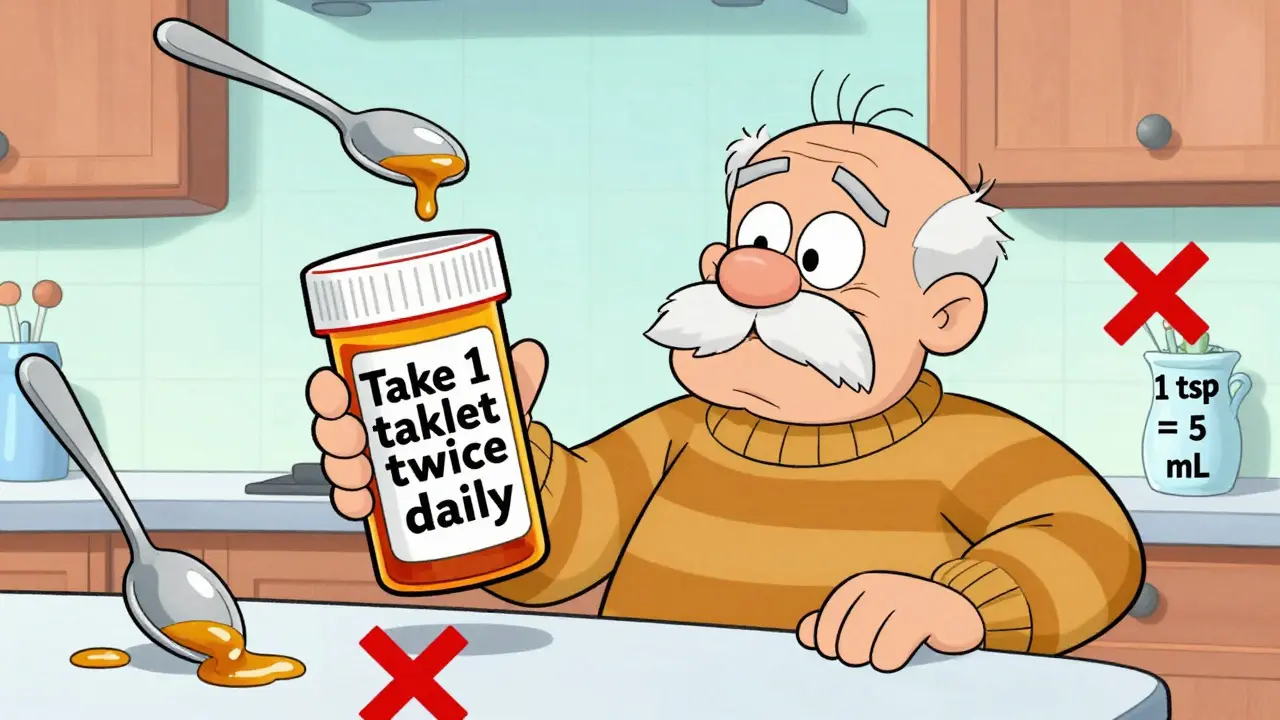
Learn how to read medication labels correctly to avoid dangerous mistakes. Understand dosage, directions, warnings, and liquid measurements for safe use of both prescription and over-the-counter drugs.
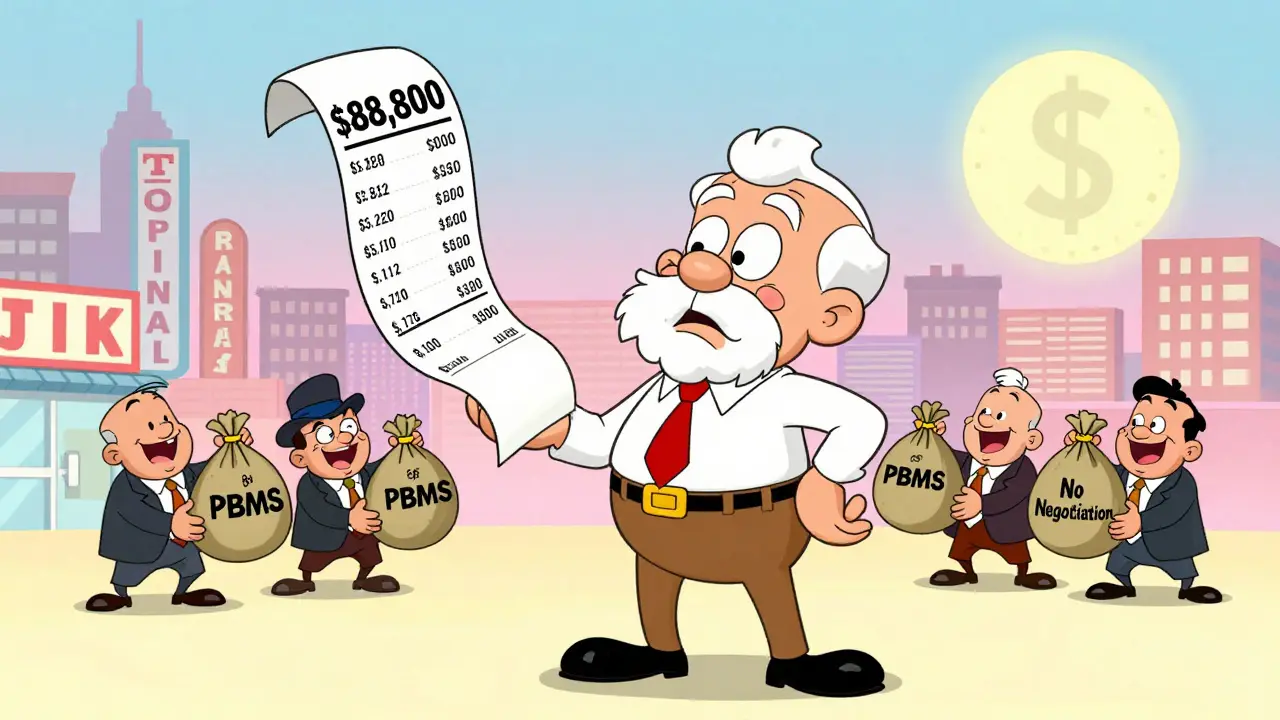
Americans pay over three times more for prescription drugs than people in other wealthy countries. This article explains why - from broken laws and powerful middlemen to specialty drug markups and failed reforms.
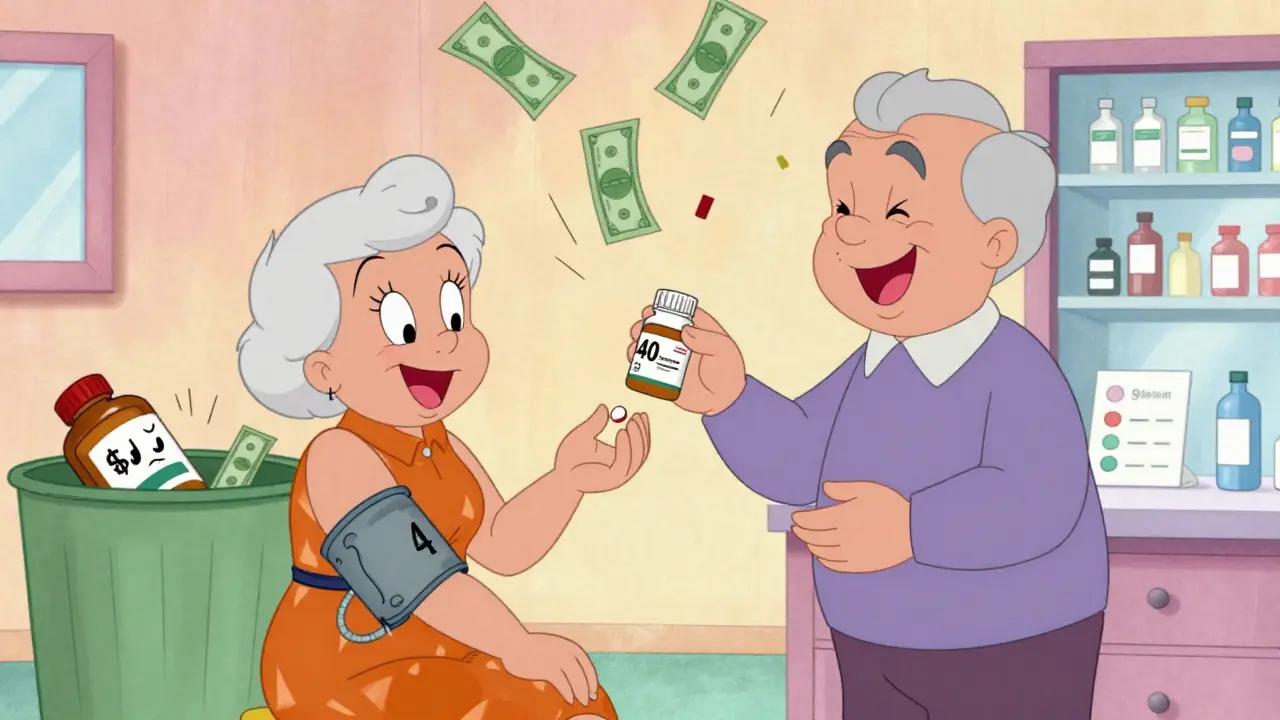
Generic medications save money and improve health outcomes when used wisely. Learn how health economics proves their real value beyond just lower prices.
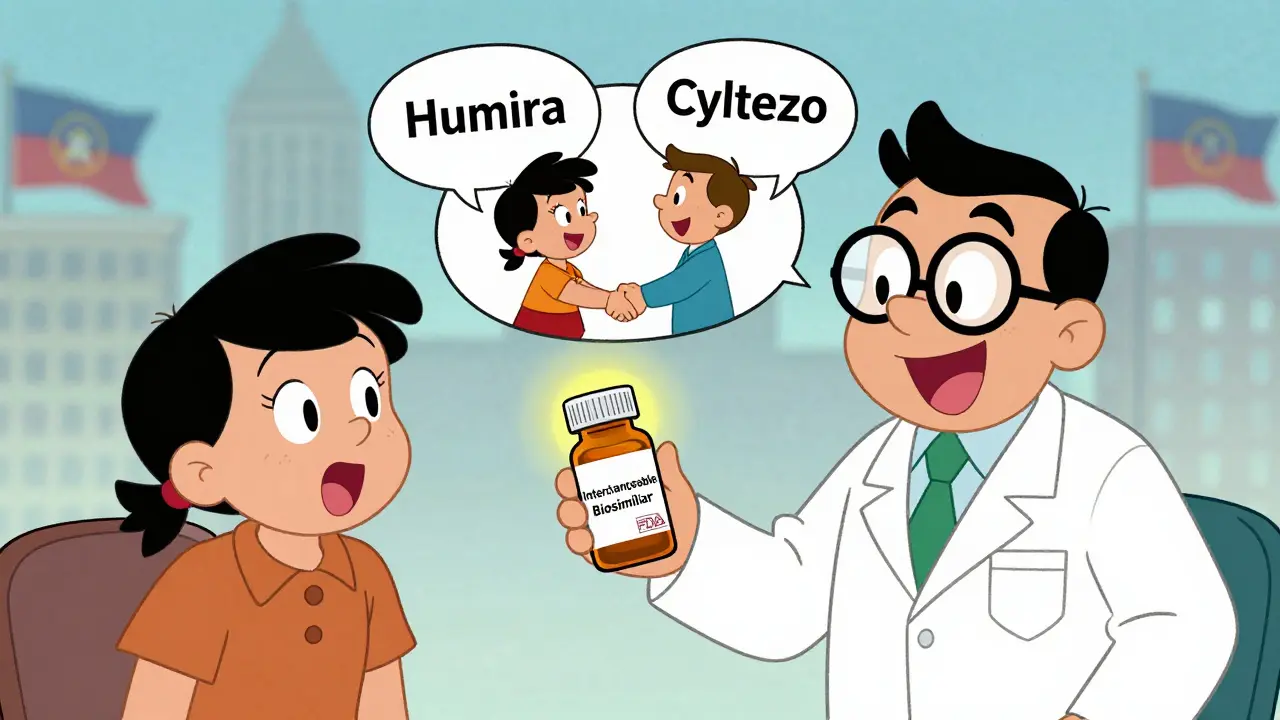
In the U.S., only certain biosimilars can be swapped automatically at the pharmacy. Learn how interchangeability works, why it matters for costs and access, and how state laws make it confusing for patients and pharmacists alike.
Alpha-glucosidase inhibitors like acarbose help control blood sugar after meals but often cause gas, bloating, and diarrhea. Learn how to manage these side effects with dosing tips, diet changes, and what to do when it's too much.
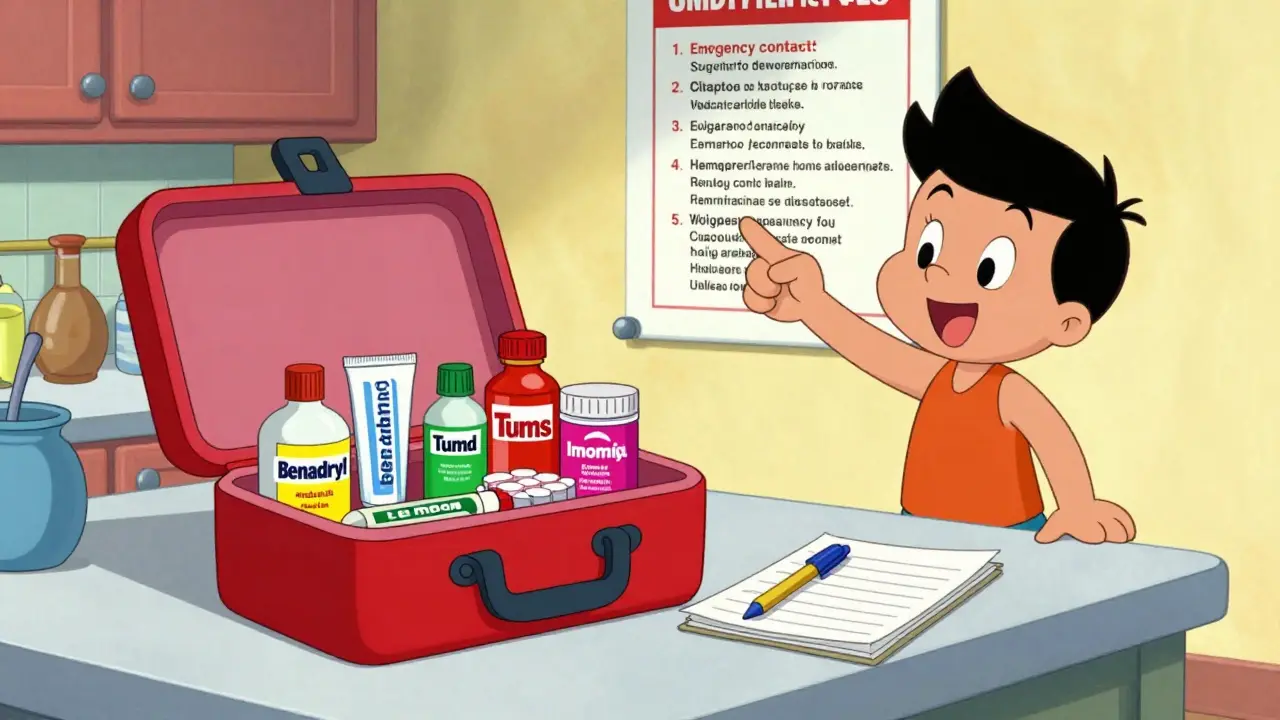
Build a home emergency kit for medication side effects with essential supplies like antihistamines, hydrocortisone cream, antacids, and emergency contacts. Learn what to include, what to avoid, and how to maintain it for safety.
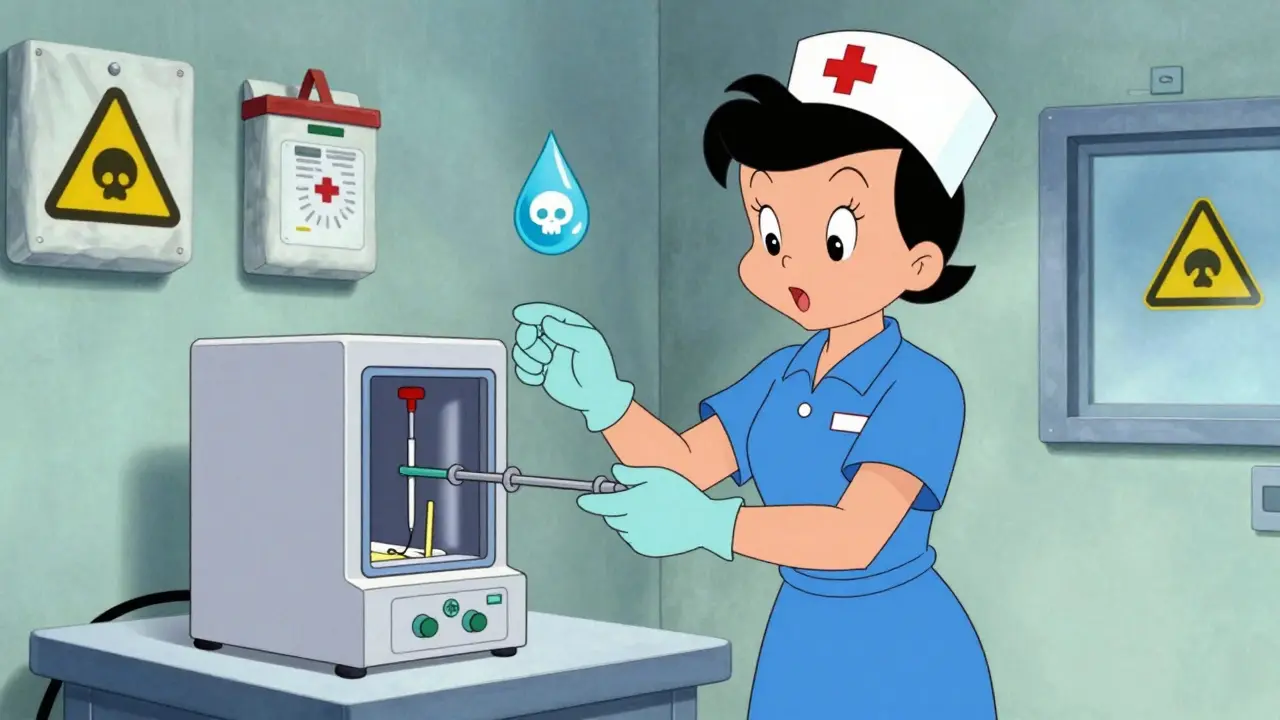
Learn the latest safety protocols for handling and administering chemotherapy drugs, including PPE requirements, verification steps, home care risks, and how to prevent exposure for patients and healthcare workers.
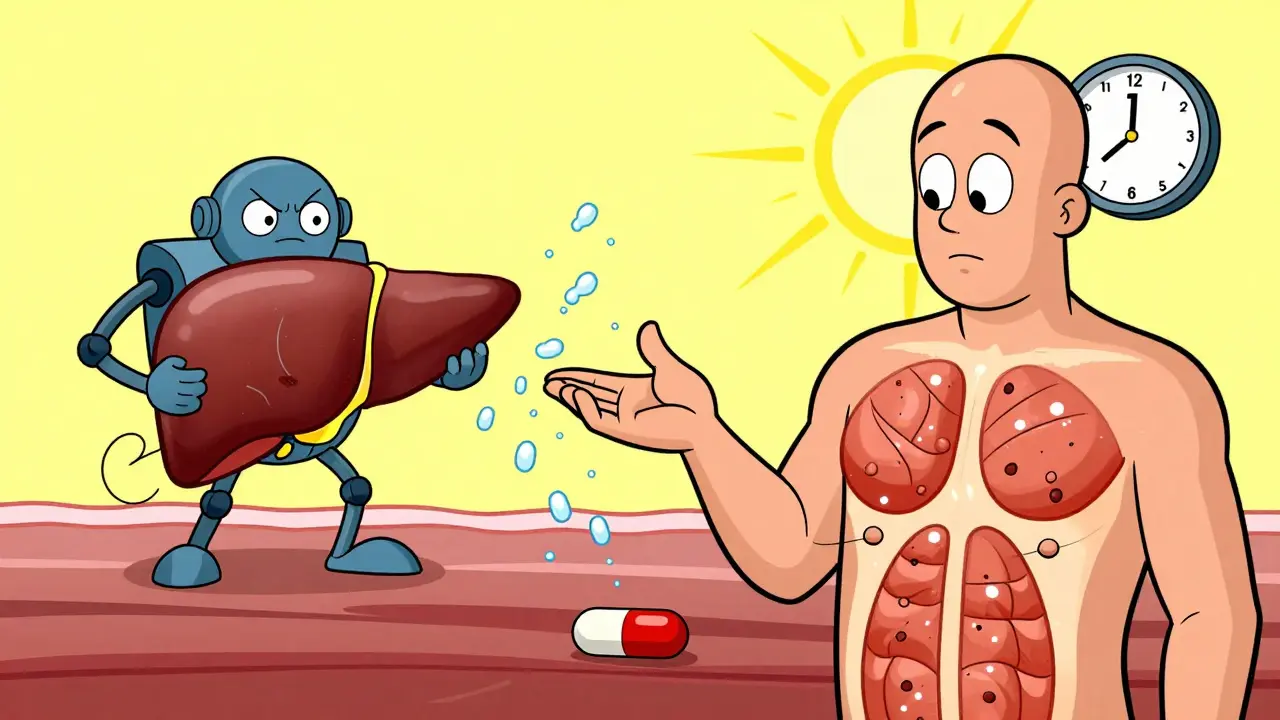
Corticosteroid-induced hyperglycemia is a common and dangerous side effect of steroid therapy. Learn how it works, who's at risk, how to monitor blood sugar effectively, and why insulin is often the best treatment-even for people without prior diabetes.